
Everything you need to know about Volkswagen
Everything you need to know about Volkswagen


By Martin Pretorius
Their first product was an odd, egg-shaped contraption with a wheezing engine and a knock-kneed stance. But from such humble origins, Volkswagen has grown into an industrial giant with a multitude of brands under its umbrella. Read on to learn more about Volkswagen and their plans for the future.
Few brands have as loyal a local following as Volkswagen. They offer everything an entry-level buyer could want, and they make one of our most aspirational cars as well. But their reach stretches far beyond the Vivo and the Golf GTI, and includes high-powered bakkies, versatile minibuses and high-value SUVs to cover almost every market segment.
A Bug in the system
It almost never happened: after the end of World War 2, the remains of Hitler’s favoured “People’s Car” factory was offered to various automakers as part of Germany’s war compensation program. The response from the motoring establishment ranged between derision and horror, as the odd little vehicle for which the factory was designed didn’t really meet the description of an actual car, such as they were back then. The Bug was more of a curiosity, really, and probably just one of many such strange vehicles trundling around Germany at that time.
But one man didn’t give up on the little Beetle: a man named Ivan Hirst, a British Army Major in charge of the Volkswagen plant after the war. He appointed a gentleman named Heinz Nordhoff and tasked him with turning the factory into something useful. Working against the odds, Nordhoff managed to resume Beetle production from the severely damaged factory. But, once the initial German demand for the Beetle was met, Nordhoff started casting his net rather wider, eyeing export markets across the globe.
The American Dream
This is where things take a strange turn. The United States market was by that stage pretty well served by their domestic manufacturers, and few would have believed that the Beetle would manage to open up a niche for an affordable, economical and hardy compact car in such a competitive market. They were all wrong, though, because the Beetle turned into a smash hit in America.
It was everything American cars of that era were not. It was small and under-powered, with a cramped cabin and strange looks. In an era of tail fins and guzzling V8 engines, the Beetle proved to be the right product for an era when many American buyers were starting to rail against conspicuous consumption and established norms.
It became a “protest car”, in fact – something which made a social statement as much as it offered virtues of its own. With the 1960s and its anti-establishment vibes coming into play as well, the friendly little Beetle (and its Kombi sibling) took on the role as the vehicle of choice for hippies and students. Meanwhile, it was raking in the cash for its German parent company as well. Everyone was happy.
It almost turned sour
While demand in the USA continued unabated well into the 1970s, dark clouds were however gathering over the Wolfsburg factory back home. Volkswagen had, by that time, grown so accustomed to their traditional air-cooled, rear-engined layout, that they’ve expanded their range to four models, all following this template. But the era of the rear-engined car was coming to an end in Europe, and Volkswagen had no real plans to change their way of thinking.
With demand in their home market plummeting, Volkswagen had to do something, and quickly: Beetle exports to America could only continue for so long in the face of increasingly stringent emissions- and safety regulations, and their international operations wouldn’t have been able sustain the German arm of the company for much longer, either.
Acquiring excellence
The answer came in the form of two windfalls. The first was the acquisition of Audi, a process which started in 1964 and was completed 18 months later. This brought Volkswagen access to a brand-new water-cooled four-cylinder engine, which was developed while Audi was still owned by Daimler-Benz, as well as decades of front-wheel drive expertise.
The next building block for future Volkswagens came when Volkswagen bought NSU in 1969, which brought new blood to the engineering department at Audi (with which NSU was merged), along with increased factory space at Neckarsulm. Thus revitalized, Audi became a technology incubator for the Volkswagen group, finally allowing them to escape from the rear-engined slump in which Volkswagen found themselves.
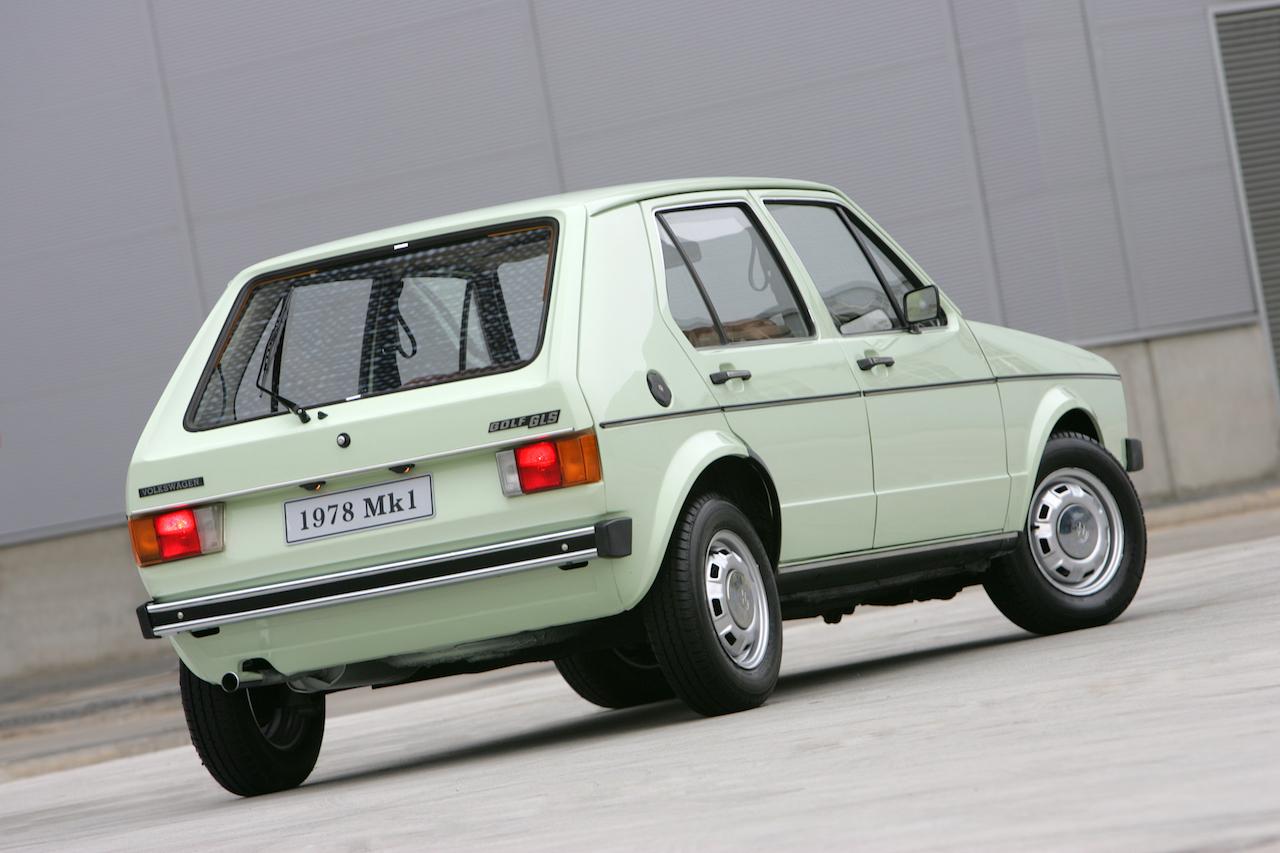
New cars started coming out fast and thick, led by the Passat (a model which still exists) and the Audi 50/VW Polo (which is also still around). They could also finally replace the Beetle, a task which fell onto the capable shoulders of the all-new Golf. A legend was born.
Since then, the Volkswagen Group has grown from strength to strength, absorbing other manufacturers left, right and centre, set up production facilities on five continents, and got started in China and India, where they have massive factories and significant market share. Notable brands in the Group includes Bugatti, Scania, Bentley, Lamborghini, Porsche, and Ducati, to name just a few.
Volkswagen in South Africa
Long before the Golf was even a gleam in Volkswagen’s eye, they started up a local assembly plant in Uitenhage. The first locally-made Beetle rolled off the line in 1951, and the Eastern Cape factory has since flourished. Other VW models soon followed, bringing with them an expanded factory, right down to an engine plant.
More than just satisfying local demand, the Uitenhage factory also supplies the export market. This began almost two decades ago, when locally-made fourth-generation Golfs were shipped to the UK. The plant currently supplies Polos to most right-hand drive markets, in the process earning the export credits needed to import a full range of modern Volkswagens.
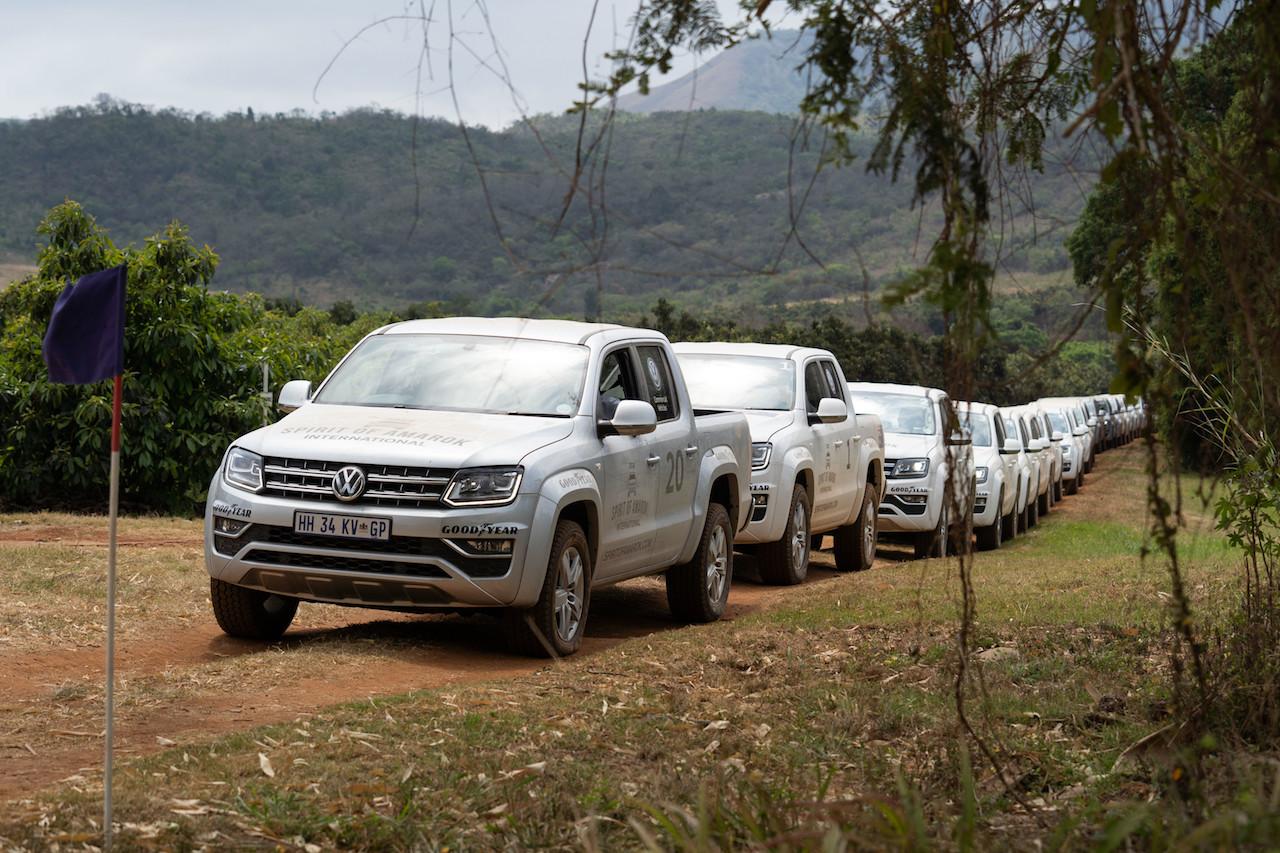
Their current model range also includes the Amarok bakkie, the Arteon flagship fastback, the Transporter minibus range, and Tiguan and Touareg SUVs. The lower end of the market is with the Polo Vivo covering the value-driven baseline. The Jetta nameplate is due to disappear due to slumping demand, though.
Into the future
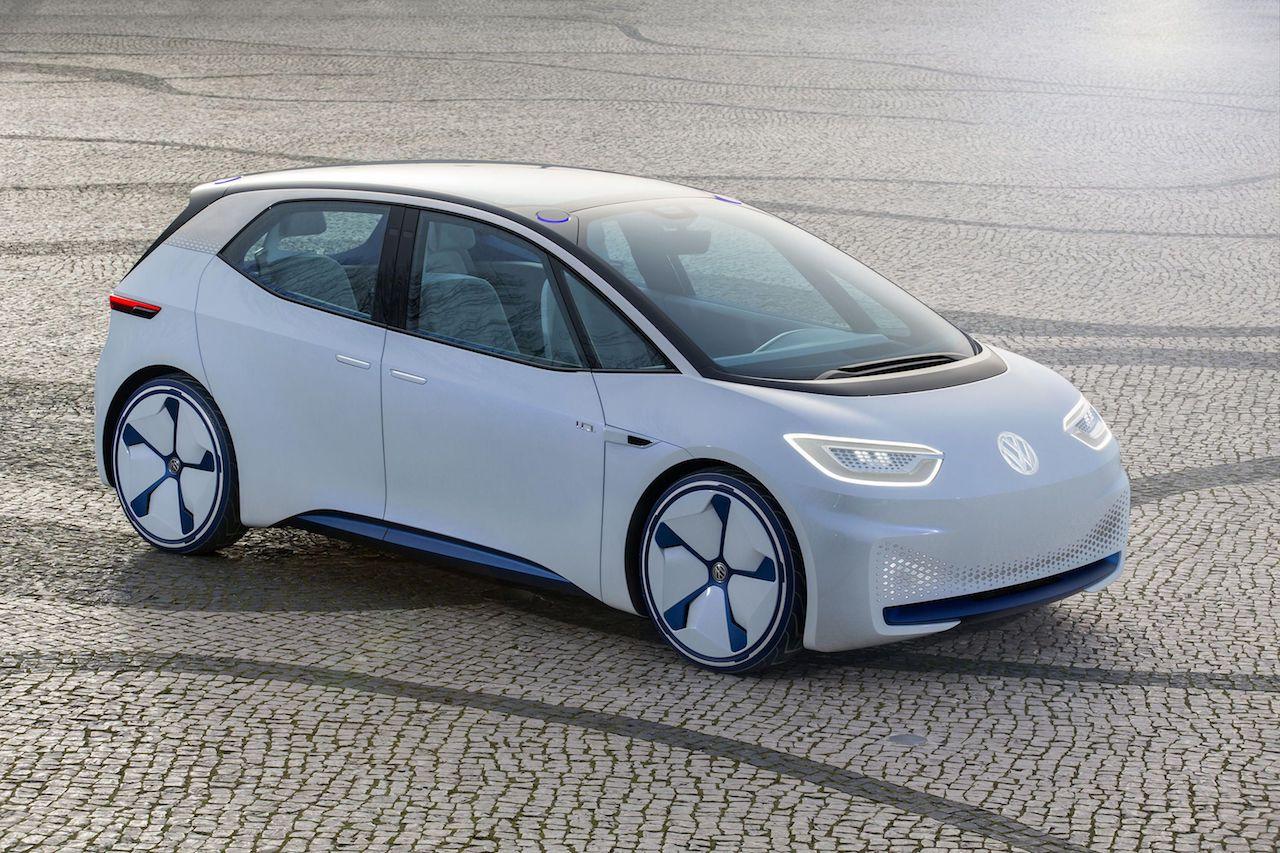
Having been dealt a massive blow when the Dieselgate scandal came to light in 2015, Volkswagen was basically forced to repair the damage done by this emissions debacle. Part of their plan is a large-scale switch to electrification, combined with a move away from those pesky diesel engines which landed them in so much trouble in the first place. This will include a large-scale move to hybrid technology, as well as some brand-new fully-electric models. They’re due to release their all-electric I.D. range around 2020, and include some self-driving innovations in the bargain at the same time.
As we move into our electric future, it’s perhaps fitting that Volkswagen may soon outgrow its combustion-engined roots completely, and start off in a new direction of ride-sharing and autonomous cars. But for the time being, let’s just enjoy our GTIs and Golf Rs, all right?