
Everything you need to know about the Isuzu KB (D-Max)
Everything you need to know about the Isuzu KB (D-Max)


Martin Pretorius
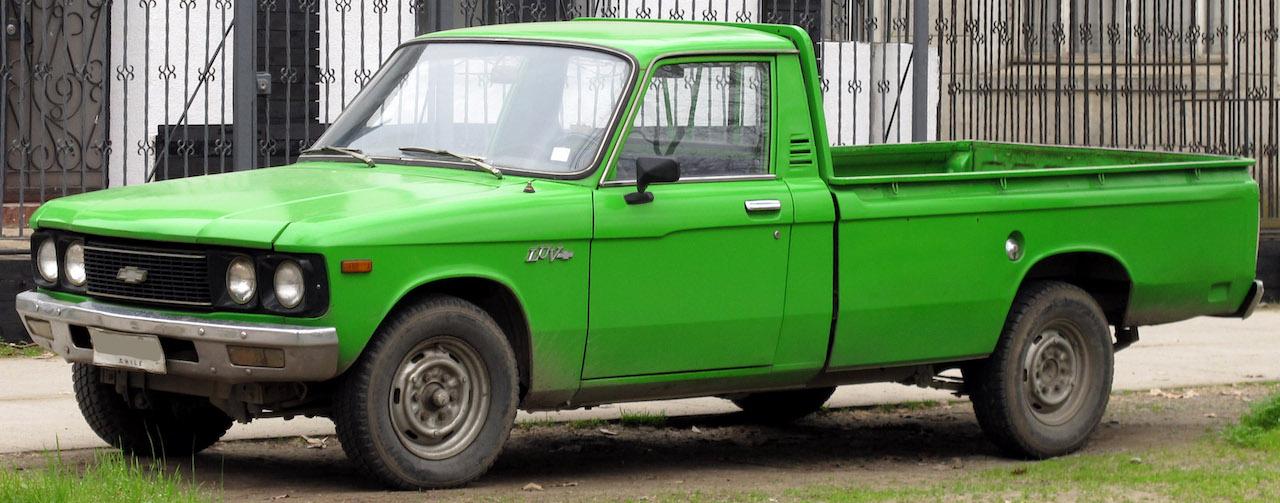
It is perhaps telling that only been 5 generations of Isuzu KB have been offered since this model range made its appearance back in the 1970s: such long model cycles show that the basic products can indeed stand the test of time. Its first appearance in South Africa wasn’t even under the Isuzu brand – instead, it was called the Chevrolet LUV.
But this LUV affair soon grew into an enduring South African romance, and the flame of passion shows no sign of growing dim anytime soon. Let’s take a brief look at the history of this popular bakkie, and scan through the current range.
There was a time when General Motors was a major player in the South African automotive marketplace. Older readers may even remember the classic tagline “Braaivleis, rugby, sunny skies and Chevrolet” from years gone by. So, it made sense for GMSA to introduce their Light Utility Vehicle (LUV) under the Chevy banner, even though it was really an Isuzu. After all, who’d even heard of Isuzu back then?
But this one-ton bakkie soon carved a cosy niche for itself, and by the time the second generation arrived in 1980, it did so under its own name. Fortunately, GMSA never used the international “Faster” model name here, because those early Isuzu KBs were anything but fast. Durable and dependable, yes, but with the largest engine being an asthmatic 2.3-litre petrol, also as slow as time.
The range expands
This all changed with the arrival of the third generation KB in 1988. The old engines initially carried over to this redesigned model, but pretty soon the 2.3-litre petrol was replaced by a 2.6-litre version, which then gave way to a 3.2-litre V6. Thus equipped, the KB320 became easily the most-powerful bakkie in South Africa, usurping the V6-engined Ford Couriers and Nissan Hardbodies.
But the really big news happened on the diesel front, when a new 2.8-litre turbodiesel variant appeared in the early 1990s. In modern terms, the KB280 DT was a slug (with as little as 68 kW in its earliest versions), but for its time, it was a diesel performance revelation. Combined with a double-cab body and available 4x4, it became one of the first diesel bakkies to appeal to the leisure- and workhorse markets in equal measure.
Increased market share
This third-generation KB even briefly became a market leader in South Africa, often challenging the evergreen (but by then, very dated) Toyota Hilux for sales dominance. Of course, the Hilux eventually received its first model renewal in 15 years just before the turn of the century, but even then, it still lacked the high-powered V6 and (relatively) potent turbodiesel on offer in the KB.
The competition got a lot stronger after the KB morphed into its fourth generation in 2002, however. The “Go Big” Isuzus were excellent vehicles in their own right, but the Hilux Vigo, Nissan Navara and Ford Ranger all grew bigger and more accomplished, matching the KB in specifications and power, and nibbling away at its hard-won market share.
The current range
Fast-forward another decade, to the arrival of the fifth-generation KB in 2012. Even with its updated engines and fresh styling, the KB dropped to the third spot in the local bakkie market in terms of sales volume. Again, this isn’t a reflection on the KB’s merits, but merely an indication of the ever-improving competence of its rivals.
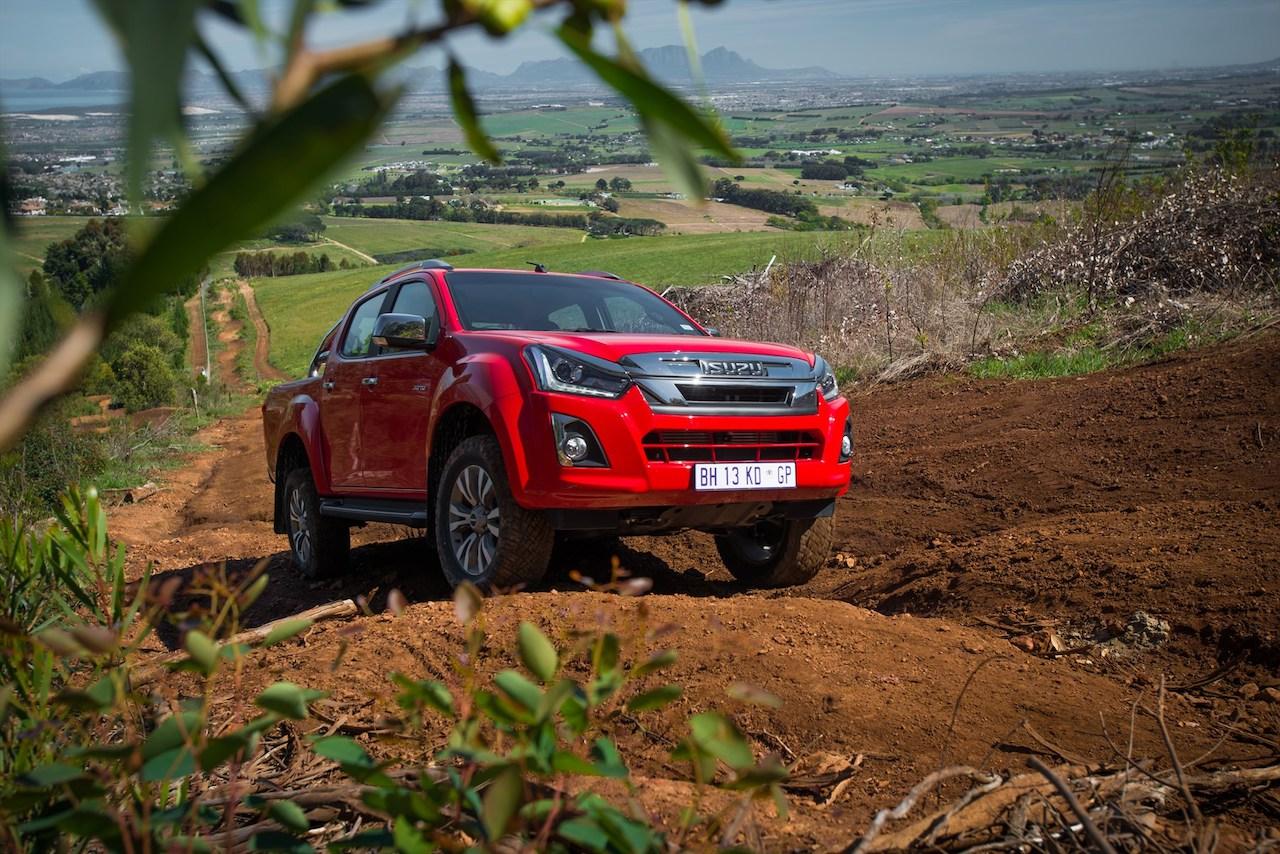
Finally, following General Motors’ withdrawal from the South African market in 2017, Isuzu finally received the opportunity to stand on their own in South Africa. They celebrated this newfound independence by launching a revised KB in 2018, replacing the KB moniker with a new name: the “new” D-Max.
Diesel-only selection
As is rapidly becoming the norm in the local bakkie market, the D-Max range exclusively uses diesel power. There are three engines on offer, with the base power unit effectively dating back to the third-generation KB, and the other two being more modern common-rail turbodiesels.
The entry-level “250C” produces 58 kW and 176 Nm, and has proven itself to be an exceptionally sturdy and long-lived engine. The middle of the range is covered by the “250 HO”, which bumps the outputs to a much more useful 100 kW and 320 Nm, while the top-spec “300” produces 130 kW and 380 Nm.
Transmission options are limited, with all the 2.5-litre variants only available with a 5-speed manual gearbox, and the 3.0-litres offering 6-speed gearboxes in either manual- or automatic flavours. However, four-wheel drive can be had with either the 250 or 300 engines.
Body- and trim options
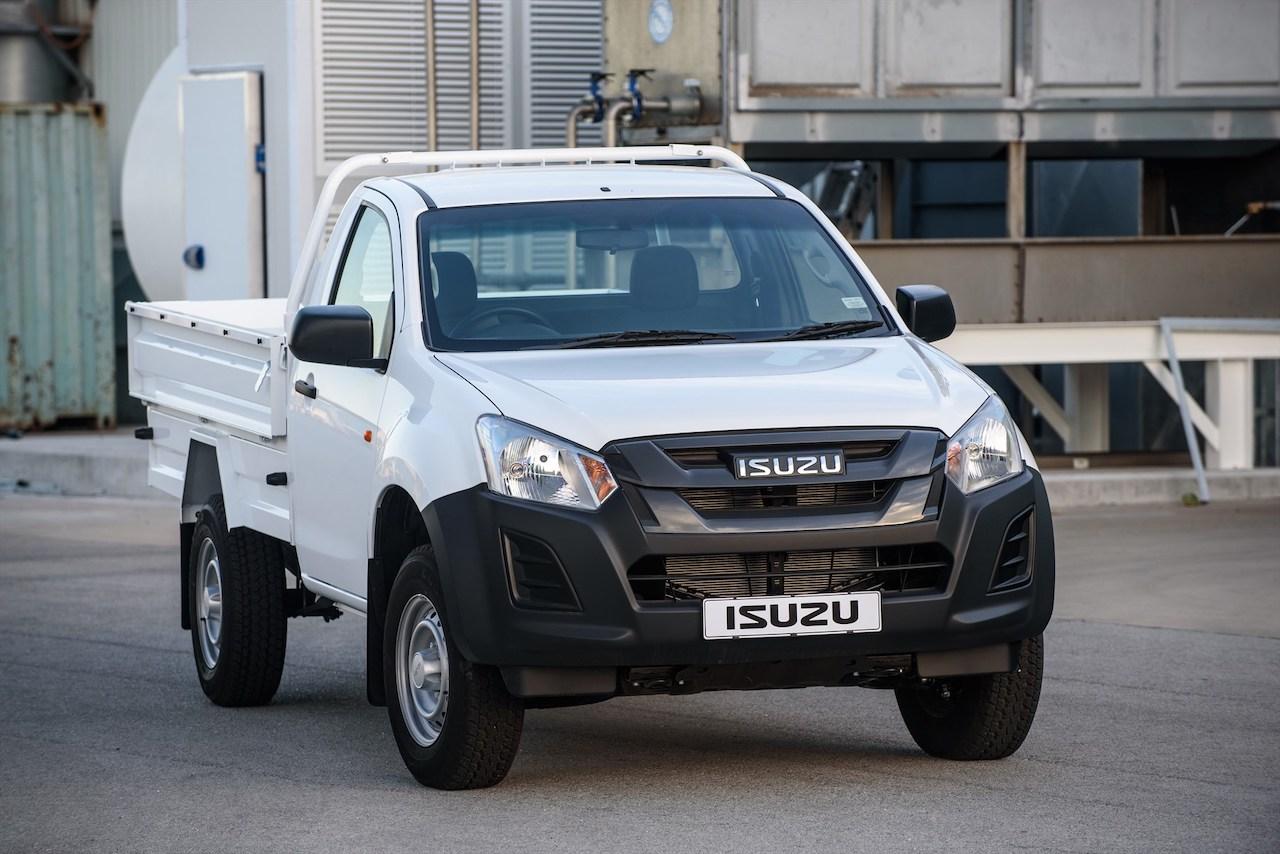
With 28 variations in the current D-Max range, it’s possible for buyers to select an Isuzu bakkie according to their specific needs. There are five basic body styles on offer: Chassis-cab, Dropside, Single Cab, Extended Cab, and Double Cab.
The Chassis-cab model allows for custom-built load areas, while the Dropside gives a raised load bay but with fold-away sides. These two body types are available with either of the 2.5-litre engines, and, like the Single Cab, can be had in either “Base”, “Fleetside” or “Fleetside Safety” variants.
As its name suggests, the Base model is ... well, basic. Its only noteworthy feature is power steering. Upholstery for the bench seat is in canvas, and cool air can only be supplied by manually winding down the windows. Fleetside trim adds an increased ride height, a skid plate under the engine, standard air-conditioning and an optional diff lock. Fleetside Safety adds some much-appreciated safety features, with two airbags, ABS, hill descent control and stability control making their way onto the specification sheet.
Adding luxury
Moving things up a notch, the 250 Hi-Rider introduces a 4x4 drivetrain with low range and a standard differential lock. Using the 100 kW/320 Nm (250 HO) engine, there’s also more to pamper the occupants, including powered exterior mirrors, remote central locking, power windows, keyless entry, a two-speaker radio with CD player, USB, and Bluetooth for phone and audio pairing. Unlike the lower-spec models, the Hi-Rider has two separate cloth-covered seats, with the driver’s being height adjustable.
LE trim adds front fog lamps, an ultrasonic alarm, speed sensitive door locking, sliding rear window and a leather-trimmed steering wheel. The audio system gets upgraded to four speakers, and adds an eight-inch touchscreen. LX variants represent the top of the range, and receives a leather-trimmed steering wheel with multifunction controls for audio and cruise control, a chrome grille, one-touch up/down for the driver’s window, and variable/intermittent wiper. LX Double Cabs also up the airbag count from two to six.
These trim levels are spread across the three main body styles (Single-, Extended- and Double Cab), with LE- and Hi-Rider trim only available as “250 HO” variants, and LX trim only coming with the “300” engine.
Just to confuse matters a little bit more, you can also have a 250 HO X-Rider Double Cab in 4x4 or 4x2 flavour, which is basically an LE with a different front bumper, blackout treatment for the grille, B-pillars, side steps, sports bar and 18-inch alloy wheels, along with a 2.1-tonne rated (braked) tow bar integrated into the rear bumper. A completely different lighting package is in place on X-Rider: both front fog lamps and daytime running lamps are added and the headlights are now projector style.
Verdict
While the model range may seem bewildering, you’ll be able to pick out the D-Max which best suits your needs easily enough. Prices range from R249 900 to R615 500, so there should be a D-Max to suit most budgets as well. The least-expensive Extended Cab costs R358 000, and the least-expensive Double Cab can be had for R332 500 (albeit in Base spec).
But, whichever one you choose, you’ll be getting legendary durability and build quality, a high spec level, and class-competitive fuel efficiency. Those are the most important factors to consider for a bakkie, and these attributes make the D-Max one of the best choices as far as workhorses go – whichever body style or trim level you select.