
Citroën C3 vs Peugeot 208 vs Hyundai i20: Which one has the lowest running costs?
Compact hatchbacks make up the bulk of local passenger car sales, and constitutes an ever-growing market segment. But not everyone wants a Polo or a Fiesta, so we rounded up two French cousins instead, the Citroën C3 and Peugeot 208, and compared them to an old favourite, the Hyundai i20. Which one has the lowest running costs?


Can you pre-determine your car’s running costs?
When considering a car’s running costs, it’s important to look at it over the full life-cycle. This allows third or fourth owners of older cars to get a clearer picture of possible future expenses, and it helps first owners to determine at what age their cars may become too expensive to run.
There are certain key points which could give an idea of a car’s general upkeep requirements. This includes the length of the service intervals, the cost of replacement tyres and service- and maintenance parts, and the prices of service parts. It’s likely that running costs will be of lesser importance to new-car buyers, on account of the comprehensive service plans standard on all of them.
For those fortunate buyers, the main concerns would be reduced to depreciation, tyre prices, insurance and fuel thirst. However, the second- and third owners might want to know just how fat their wallets really need to be to own one of these superminis, and which one will be the least-expensive to run for budget-conscious owners.
Let’s meet the contenders
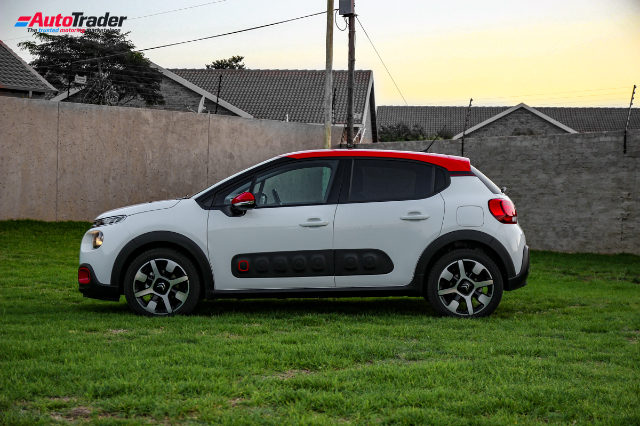
Citroën C3 1.2 Feel (R 259 900)
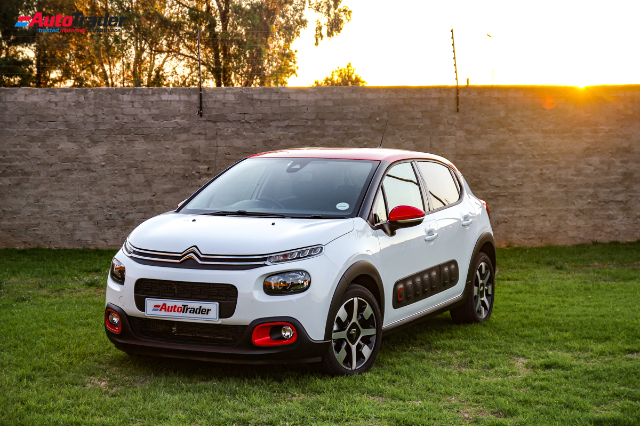
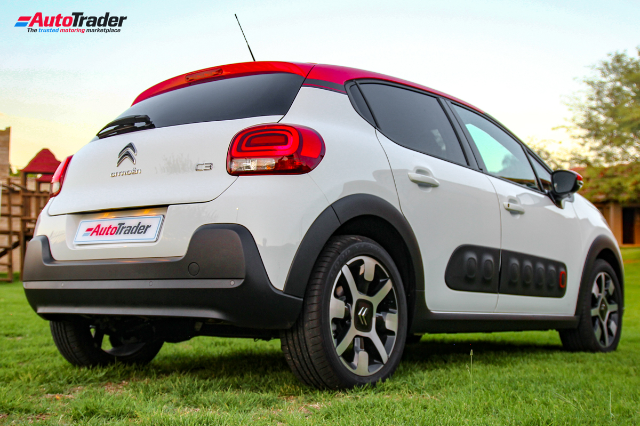
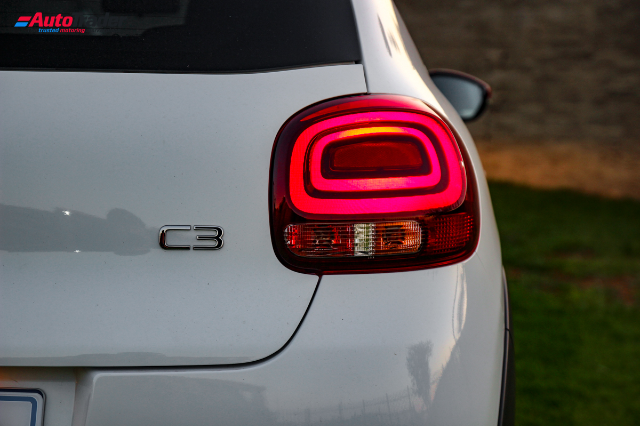
This is the entry point to the local Citroën range, which was re-launched here last year after a few years’ absence. (The C1 didn’t return this time, and more’s the pity.) Running on the same PSA PF1 platform as the competing Peugeot 208, the C3 is a more extroverted alternative to its similarly-priced and mechanically-identical cousin, with funkier styling and a flashier interior.
Motive power is provided by a 1.2-litre, 3-cylinder, naturally-aspirated engine (none of these cars feature a turbo), sending 60 kW and 118 Nm to the front wheels through a 5-speed manual gearbox. Performance is, predictably, quite modest: it ambles to 100 km/h in a claimed 13.2 seconds, and it runs out of steam at 169 km/h. This is one common denominator between this trio, but then again, nobody buys an entry-level supermini for storming performance.
Related: We spent some time with the high-trim Citroën C3 Shine, and found it to be a very pleasant surprise.
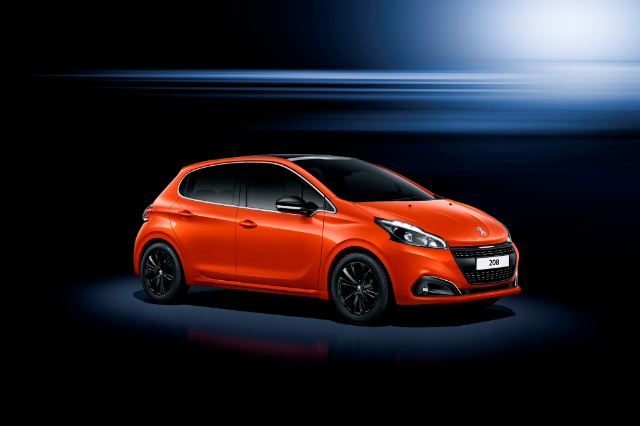
Peugeot 208 1.2 Active (R 259 900)
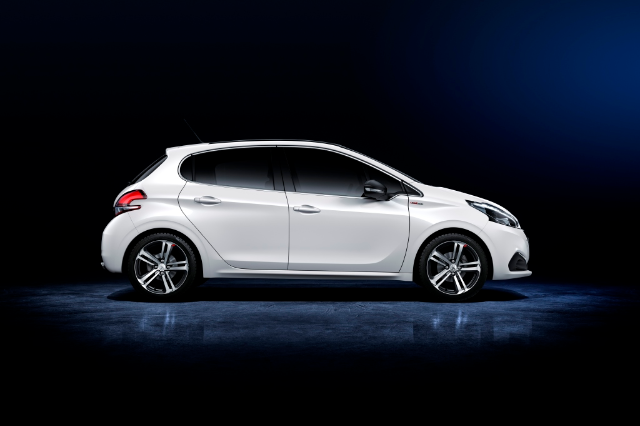
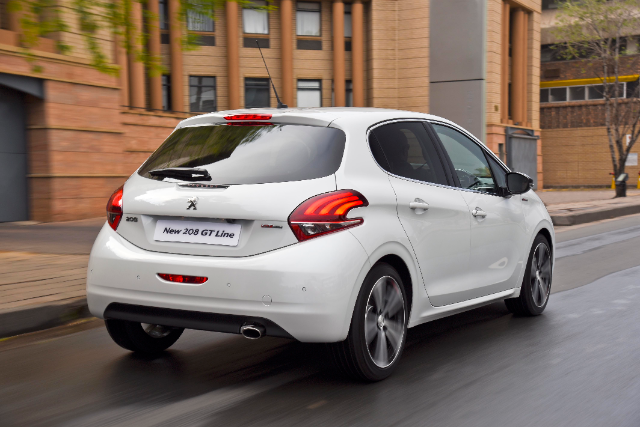
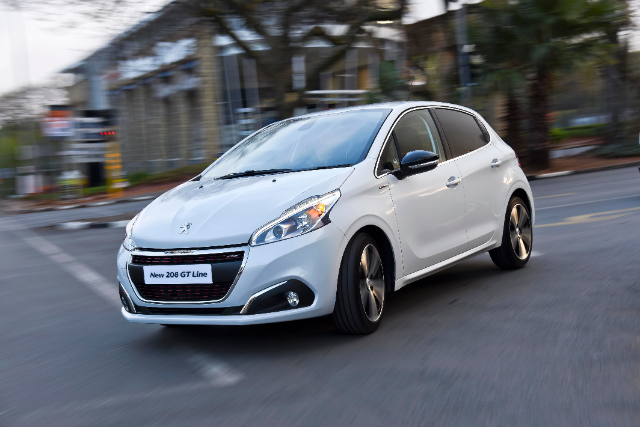
Slotting in above the 108 city car in Peugeot’s model range, but below the 2008 cute-ute, the 208 is the least-expensive way to get a “large-car feel” in with this manufacturer’s local range. It was last revised early in 2019, but still looks a fair bit more conventional than the Citroën inside and out, offering the same virtues as the C3 to a more-conservative audience.
Interestingly, this base-spec Peugeot 208 is claimed to be quite a bit quicker than the comparable Citroën. While its drivetrain configuration and outputs is the same as those of the C3, the 208 adds a modicum of inspiration with a 0 – 100 km/h sprint in 12.2 seconds and a top speed that rises to 175 km/h. With an identical kerb weight to that of the C3, it leads to the conclusion that the Peugeot’s shape is more slippery for a higher top speed, and its smaller tyres shorten the overall gearing somewhat for better sprinting ability.
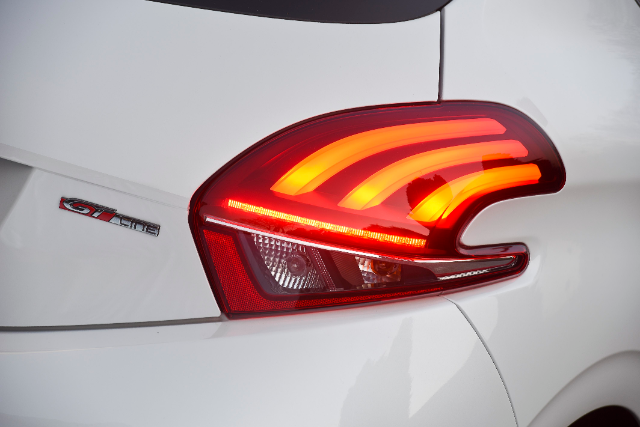
Related: If you want more style and power in a Peugeot 208, the GT Line derivative will grab your attention - this review will tell you everything.
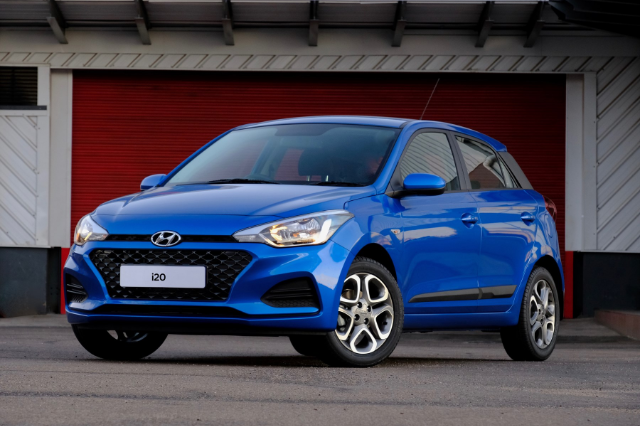
Hyundai i20 1.2 Motion (R 260 500)
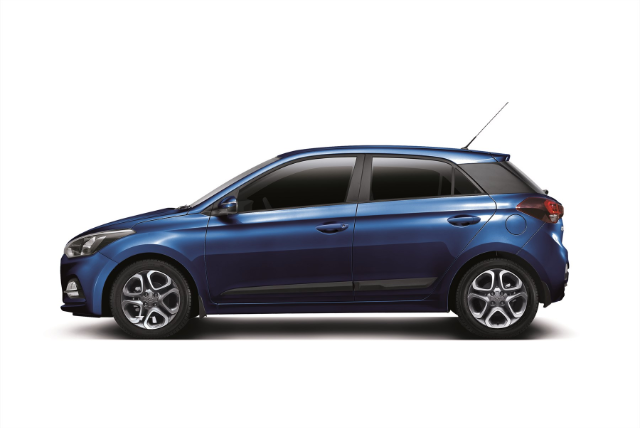
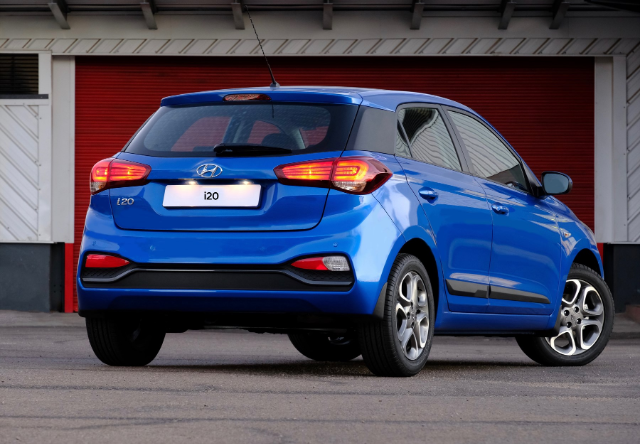
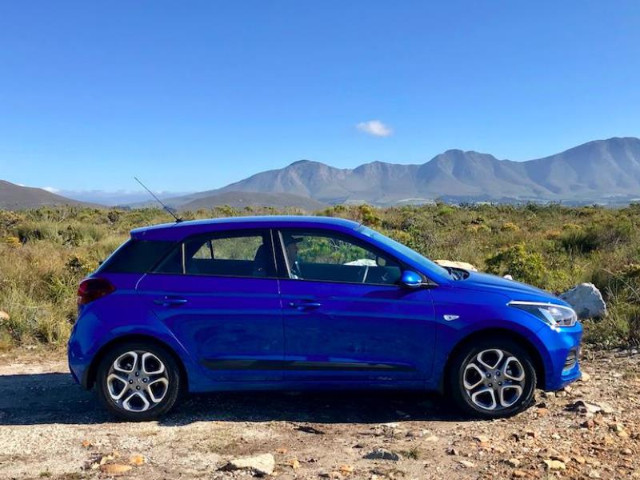
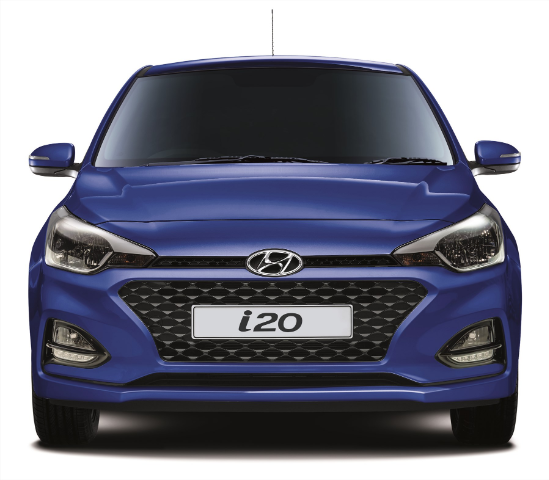
The Korean alternative is represented by the Hyundai i20, seen here (like the others) in entry-level trim. Last facelifted in 2018, the i20 is still as conventional as they come: inoffensively handsome, with a 1.2-litre 4-cylinder engine and a 5-speed manual gearbox, a decent spec level, good build quality, and above-average space efficiency. It could also just as well be a Kia Rio, because they are related in the same way as the Peugeot and Citroën – we just chose the i20 because its purchase price is within spitting distance of the French cars.
The Hyundai has marginally more power but less torque than the three-pot unit that serves in the other two, and it’s slightly heavier too. 61 kW and 115 Nm sees a 0 – 100 km/h stroll in 13.3 seconds, and its top speed is a tiny bit down on the C3 at 165 km/h.
Related: The top 8 differences between the current and pre-facelift Hyundai i20.
Which one has the lowest running costs?
Purchase price and depreciation
Not only are their underpinnings and kerb weights identical, but the Citroën C3 Feel also costs exactly the same as a Peugeot 208 1.2 Active – R 259 900 will buy either of them. The R 600 premium commanded by Hyundai i20 1.2 Motion’s list price of R 260 500 will make for a negligible difference of R 10 between their instalments.
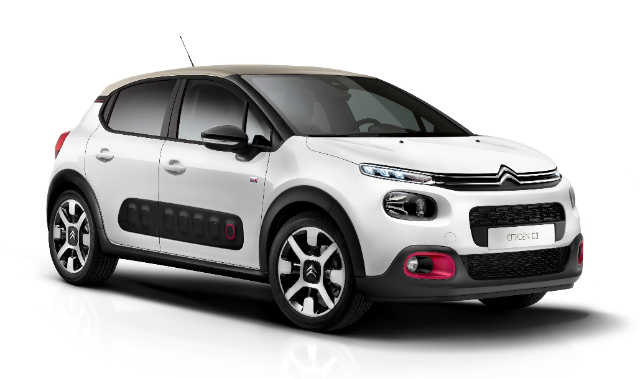
According to the data derived from the 2019-model Citroën C3 Feels listed on AutoTrader, the C3 Feel retains 87.5% of its new-car value after a year. The sole 2019 Peugeot 208 Active listed on our site at the time of writing shows 85% value retention, although the sample sizes for both French cars are much too small to be statistically relevant.
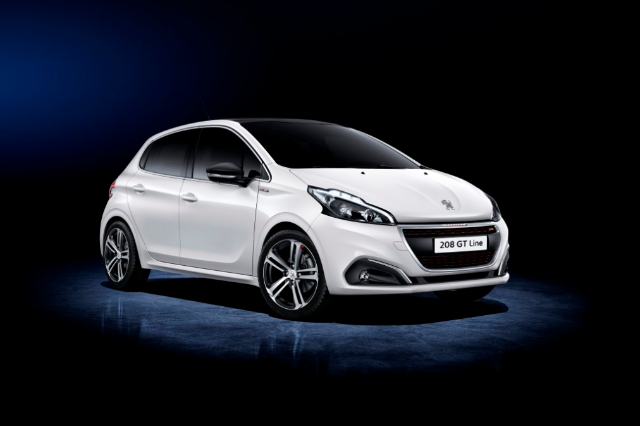
Long-term depreciation of the Peugeot is unfortunately catastrophic, with 2016-model Peugeot 208 1.2s retaining only 52.8% of their new value. While the latest C3 is still too new in our market to say what its long-term depreciation would look like, history doesn’t give us any real reason to suspect that the Citroën’s depreciation will be much different to that of the Peugeot.
Applying the same search criteria to 2019-model Hyundai i20 1.2 Motions in our listings yielded a one-year value retention of 81.1% - a surprisingly poor result, given the exceptional performance of the Hyundai Grand i10 in this department. Long-term depreciation turns in favour of the i20, however, with 2016 i20 Motion 1.2s retaining 67.7% of their new value after four years.
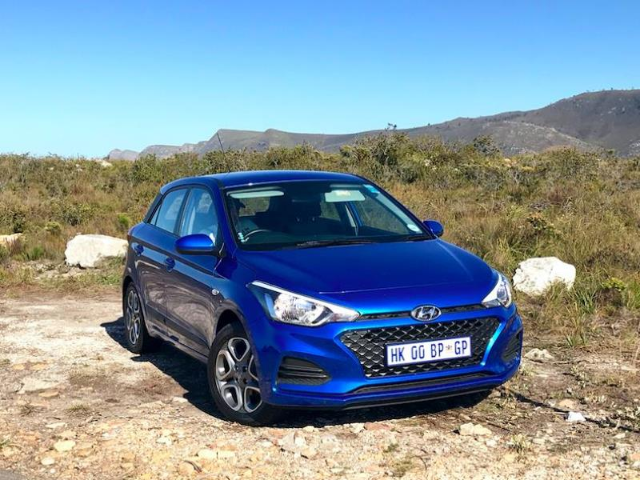
All things considered, the steep initial depreciation but strong long-term value retention of a nearly-new, low-mileage i20 should make for great-value used-car shopping, especially given its generous warranty (more about that later). And, for bargain hunters, an older Peugeot 208 offers a comfortable, fairly new car at a serious discount – we’re talking much cheaper but much nicer than a new budget car here.
Instalment calculator
*Calculated according to the AutoTrader Car Finance Calculator, with a 72-month finance agreement, 10% interest rate, 10% deposit, and no residual value. All prices listed in this article were accurate at the time of writing, but may change without prior notice.
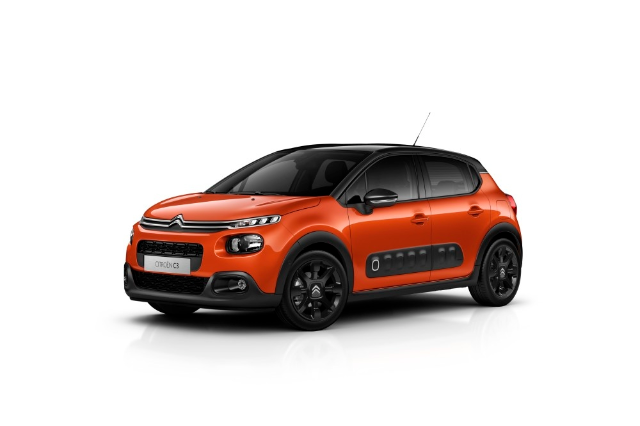
Citroën C3 1.2 Feel
List price: R 259 900
Instalment: R 4 333/month
Peugeot 208 1.2 Active
List price: R 259 900
Instalment: R 4 333/month
Hyundai i20 1.2 Motion
List Price: R 260 500
Instalment: R 4 343/month
Fuel efficiency
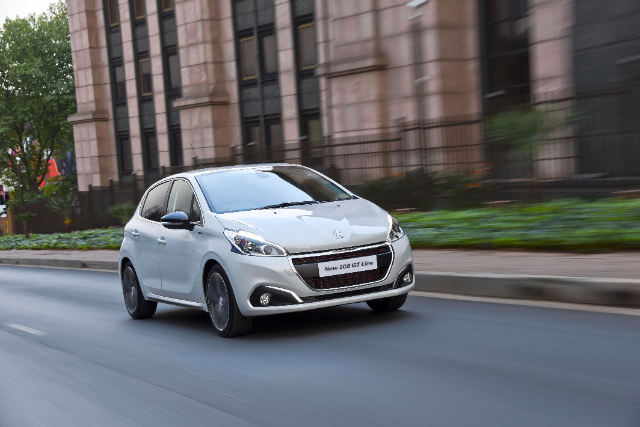
Once again pointing towards a (likely) slipperier shape, the Peugeot 208 1.2 posts the lowest claimed fuel consumption figure of 4.3 ℓ/100 km, in contrast to the blockier Citroën C3 1.2’s claimed figure of 5.7 ℓ/100 km. The Hyundai is once again very closely matched with the Citroën, with an official average of 5.9 ℓ/100 km.
However, it’s likely that the Hyundai’s and Citroën’s claims are closer to reality – the Peugeot may have a slight advantage in open-road cruising, but they’ll all likely average in mid-to-high 5 ℓ/100 km range in real-world mixed-cycle driving.
Related: What factors can decrease fuel efficiency?
Warranties and service intervals
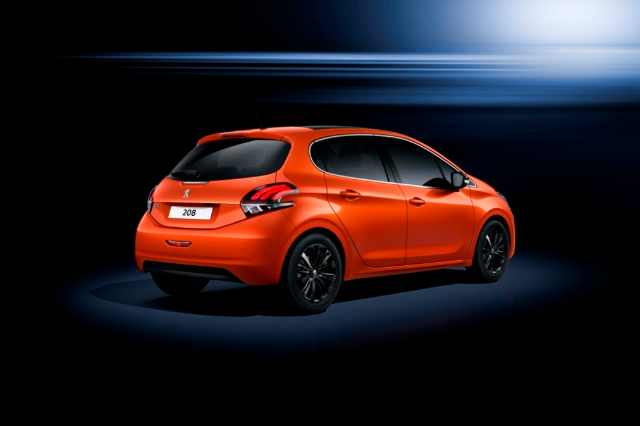
Aftersales support is very strong for all three of these cars, but the Hyundai nonetheless manages to better its rivals. The Citroën and Peugeot have identical warranties for 5 years or 100 000km, and their identical service plans generously run for the same time and mileage.
But, as is usual with Hyundais, the i20’s warranty and service plan trounces its opponents’ offerings – albeit barely, this time. Its warranty covers the drivetrain for 7 years or 200 000 km, while the rest of the car has a warranty for 5 years or 150 000 km. Its service plan is just as impressive as those of the French cousins, and runs for 5 years or 100 000 km.
In the end, the Hyundai’s stronger warranty clinches it a victory here, but for the first five years or 100 000 km, these three cars will have identical service costs: nothing. That doesn’t happen often in the face of Hyundai’s excellent coverage, so well done to the Peugeot and Citroën!
All three of these vehicles have service intervals set at 15 000 km, but the Hyundai will likely have the least-expensive service costs once the pre-paid servicing runs out, simply due to its wider non-OEM support. The Peugeot and Citroën should be equal in this area, but still end up some way behind the more-ubiquitous Hyundai.
Related: What is usually covered under a manufacturer’s warranty?
Insurance
None of these vehicles are considered to be high-risk by insurers – their modest performance sees to that. However, the Hyundai has a higher theft risk as an unfortunate by-product of its popularity: because there are more i20s on the road, there’s more demand for them from chop shops.
Conversely, the Peugeot and Citroën’s steeper depreciation becomes an advantage in long-term insurance costs. Because their replacement values plummet so severely, the resulting (relatively) lower insurance premiums as they age will save quite a bit of money in the long run. Of the two French cars, the Peugeot has less-expensive accident repair parts, so it narrowly clinches a victory in this department.
Remember that insurance premiums will vary for different drivers, mostly based on the projected mileage to be covered and where the cars are kept and driven, both in the daytime and overnight. Younger drivers, or those with prior accident histories, will experience additional penalties due to their higher collision risk.
Related: Top tips to save on your car insurance.
Tyre replacement
Standard tyre prices play a significant part in any running cost evaluation, but it’s not always a given that smaller tyres will be less expensive – if they’re less commonly used, they might be harder to find and more expensive to replace than larger tyres which are in wider use.
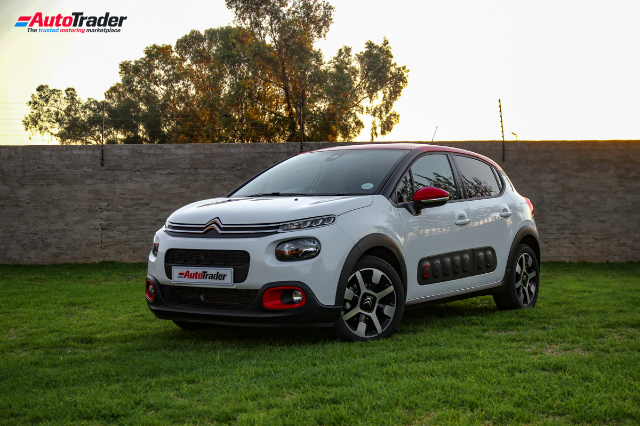
Our comparison baseline Citroën C3 uses 205/55R16 tyres – the widest in this group. Fortunately, it’s a very common tyre size, with dozens of replacements available from tyre retailers all over. Prices range from about R 900 per tyre for “store-brand” tyres to performance tyres at R 2 750 apiece. Given the pedestrian performance, mid-level tyres should be more than sufficient, where respected and well-known-brand tyres in this size retail around a very reasonable R 1 300 each.
As alluded to earlier, the Peugeot 208 rolls on somewhat smaller tyres. Its 185/65R15 tyres are almost as common as the C3’s, but the cheapest in this size are even less-expensive than the Citroën’s store-brand replacements. Prices start at R 800 each, and well-known-brand replacements retail for R 1 200 or less.
The Hyundai i20 1.2 Motion has the smallest rolling stock in this group, with 185/70R14 high-ish profile tyres wrapped around its steel rims. These tyres aren’t as widely available as those of the other two, but they buck conventional wisdom by being less-expensive in spite of their relative scarcity. Once again, the cheapest replacements cost around R 800, but R 1 000 will get you a name-brand alternative.
Related: How long is a tyre supposed to last?
Verdict
Given the exceptional service plans featured by all three contenders, all three of them start out as very affordable to run for the first five years. However, if an owner decides to sell within that time, they will get a much more substantial chunk of cash back with a Hyundai i20, due to its slower long-term depreciation.
This, combined with its more-affordable tyres, is more than enough to offset its slightly higher insurance rates and fuel consumption, makes the Hyundai the best short-term investment of these three. In the long term, its supersized warranty will likely result in cheaper upkeep, but its stronger residual values will bring a penalty in the total insurance premium stakes.
Second-hand shoppers would do well to consider a two-year-old Peugeot or Citroën, though, especially if they plan to cover long distances. By then, the first depreciation hit will have taken its toll, leading to high-value buys with decent chunks of service plan and warranty still in place.
If those buyers were to then hang onto their cars for a long time, the French cars’ cheaper overall insurance costs (resulting from further depreciation) will be beneficial. The Peugeot’s superior open-road consumption and affordable service parts costs (according to the 2016 Kinsey Report) will further lead to lower running costs, earning it a strong second place in this comparison with the Citroën following very closely.