
Can cruise control be retrofitted?
Can cruise control be retrofitted?


By Martin Pretorius
For the five decades or so since it first appeared on public roads, cruise control was a headline feature of many high-end cars. It promised to save fuel on long trips, reduce driver fatigue, and reduce the possibility of netting a speeding fine along the way, and time has proved most of these benefits to be useful in the real world.
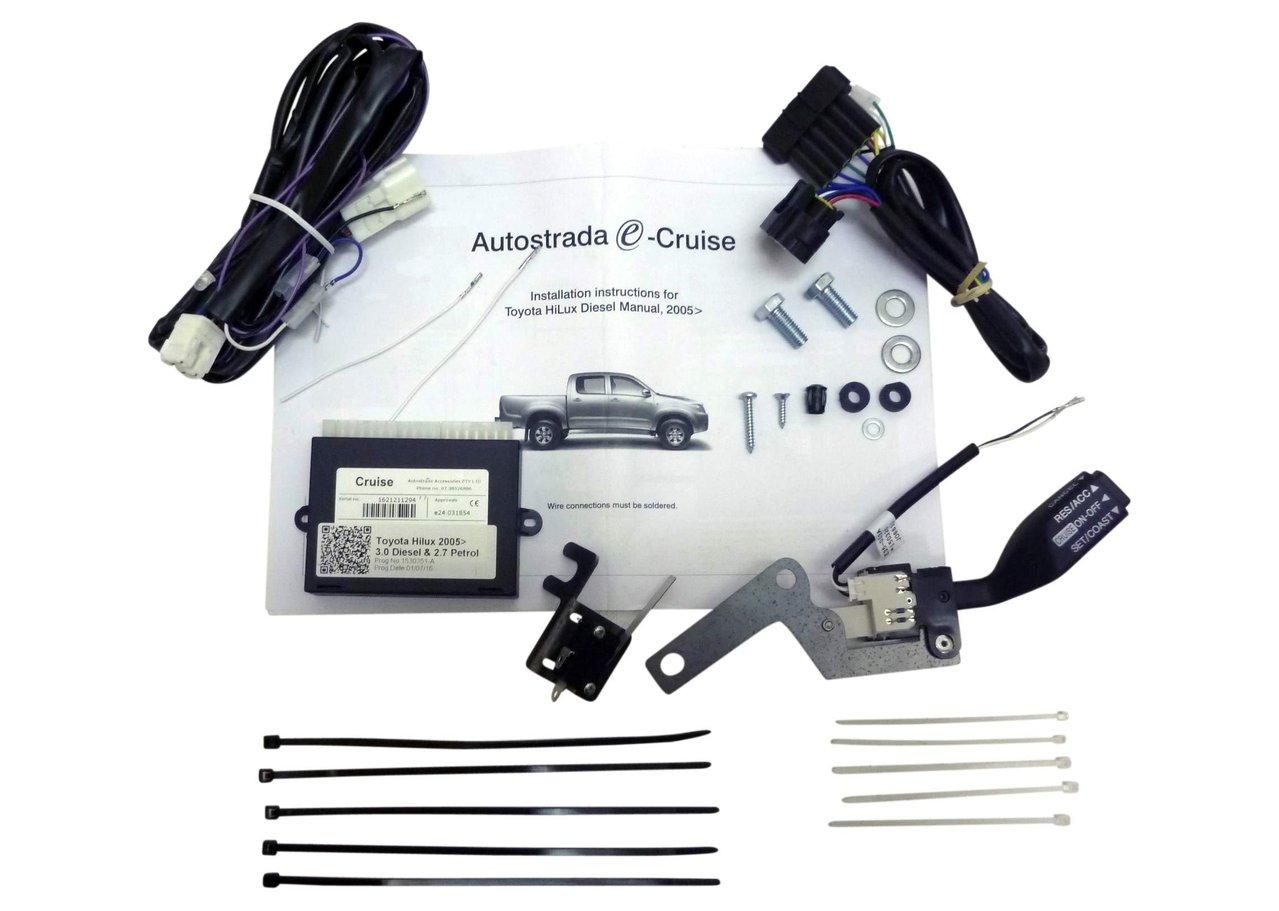
Soon, drivers of lower-trim cars desired the same advantages in their cars as well, which gave rise to a fairly thriving industry which specializes in aftermarket cruise control systems. But how compatible are these aftermarket add-ons with modern cars?
The old-school way
In its earlier applications, electronic cruise control worked on a very simple principle: a computer calculated the road speed, compared this speed to the speed desired by the driver, and manipulated the throttle by means of a vacuum- or electric actuator to attain the desired speed. (This was applied to diesel pumps as well.) Both motor manufacturers and the aftermarket employed some version of this system: as long as the vehicle used a mechanical linkage of some sort to control the engine speed, it would bolt on without any problems.
In spite of its simplicity, it worked well enough, as closing the throttle would slow the vehicle down if the road speed rose higher than the pre-set speed, with the opposite applying when the unit opened the throttle. This kind of system is still available for cars with traditional cable-operated throttles, and can be retrofitted with very little effort.
But then came electronic throttle control
The advent of drive-by-wire accelerator control made it easier for original equipment manufacturers (known collectively as the OEM) to integrate cruise control systems without adding extra actuators, as they could simply instruct the engine's management system to manipulate the throttle instead. The only addition necessary is a switch for the driver to select their preferred road speed. These systems can also be made to interface with forward-facing radar sensors to introduce a measure of autonomy with active cruise control, by slowing down and speeding up to maintain a certain following distance, and can even trigger automatic braking in the case of an emergency.
It's slightly more complex in the aftermarket realm, but the same principles still apply. Instead of installing an extra vacuum actuator to manipulate the throttle, the add-on control unit now interfaces with the electronic throttle control system, often by manipulating input- and output signals, but sometimes also by integrating with a modern car's data network, using the car's own “language” to control the speed.
If the signals are being manipulated, the road speed needs to be sensed somehow, but fortunately, that input is also available directly from the car's wiring harness. Data network-based systems again get their speed information from the car's internal communications, further simplifying installation.
Is aftermarket cruise control as good as OEM systems?
The answer depends on the OEM system to which you're referring. There are currently no aftermarket systems with the active (radar-guided) functionality you can find in the better OEM offerings, and automatic emergency braking is not available either. However, there's very little difference in effectiveness of the passive (older type) of cruise control – OEM generally is no better or worse than aftermarket in this respect.
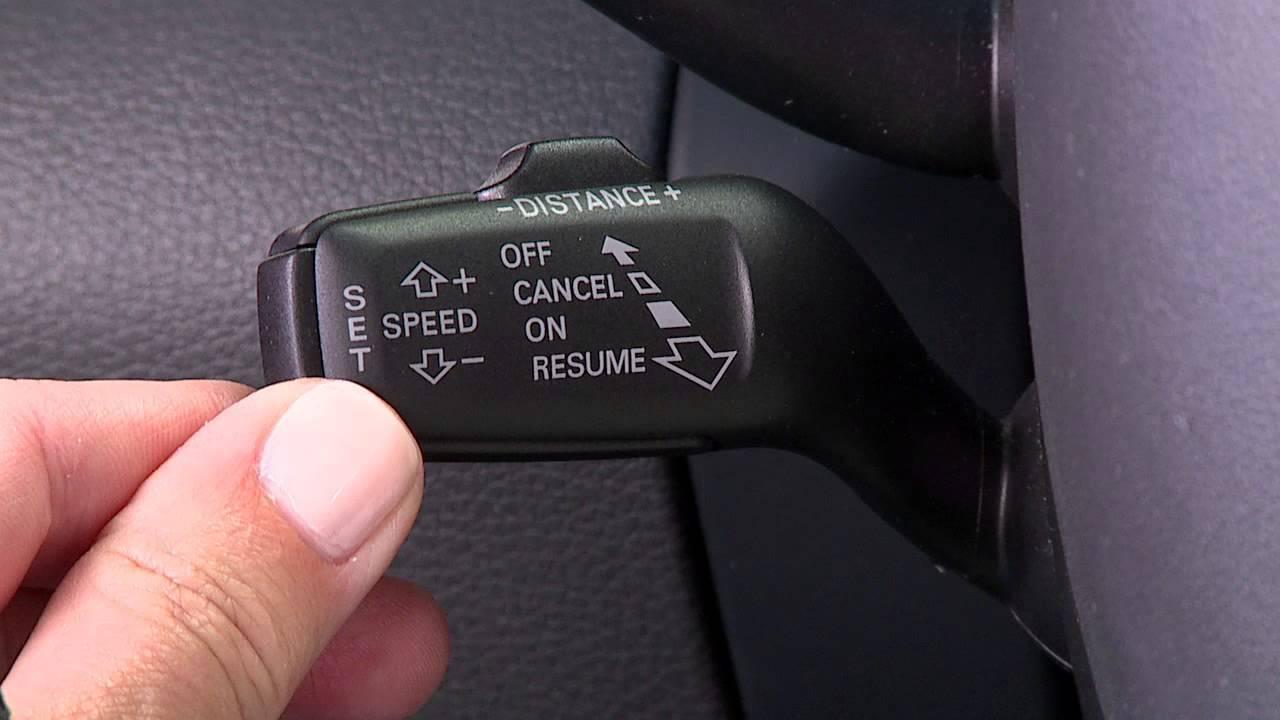
* As with any aftermarket item, it pays to do research before spending your cash on an add-on system. There are many different makers and installers of these kits, and some will offer more features (or a nicer-looking control stalk) than others. Also visit the internet forums, where you'll quickly see what other customers think of their installations, and only then choose your system and installer.