
BMW 2 Series vs Toyota GT86 vs Audi A3 sedan: Which one has the best infotainment system?
BMW 2 Series vs Toyota GT86 vs Audi A3 sedan: Which one has the best infotainment system?


By Chad Luckhoff
We compare the infotainment systems of the BMW 2 Series, Toyota GT86 and Audi A3 Sedan, comparing menu usability, connectivity and ease-of-use.
It may seem a little strange, comparing the BMW 2 Series with an unlike match such as the Toyota GT86, but they offer decidedly similar spec levels and driver engagement. The Audi A3 Sedan is a left-field approach but is newer than the Nissan 370Z that we compared to the Mazda MX-5 and GT86 in the past.
Let's see how the German manufacturers stack up against the chosen Japanese offering in this comparison.
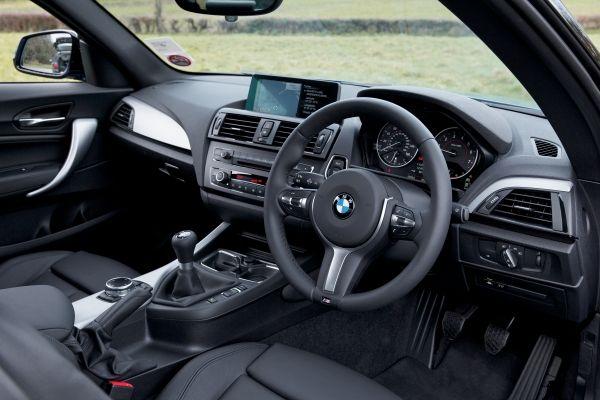
BMW 2 Series
4/5
The BMW 2 Series benefits from the tried-and-tested BMW iDrive system with the latest software and functionality. While you won't get high-end features such as gesture control, the menu layout is still familiar to anyone who has worked with a recent BMW unit in the past. The tiled layout is fairly intuitive and only the options screen (to the left and right) create a modicum of confusion.
Entry-level screens are 6.5-inches in size while the upgraded Professional Media package offers an impressively large 8.8-inch screen. Both are equipped with navigation with RTI Real-time Traffic Information to allow you to divert around congestion and backups.
The unit is controlled with the familiar iDrive commander control in the console between the seats with buttons for shortcuts and frequently used functions. The system is prepared with Apple CarPlay, Bluetooth, USB and AUX input.
Toyota GT86
3.5/5
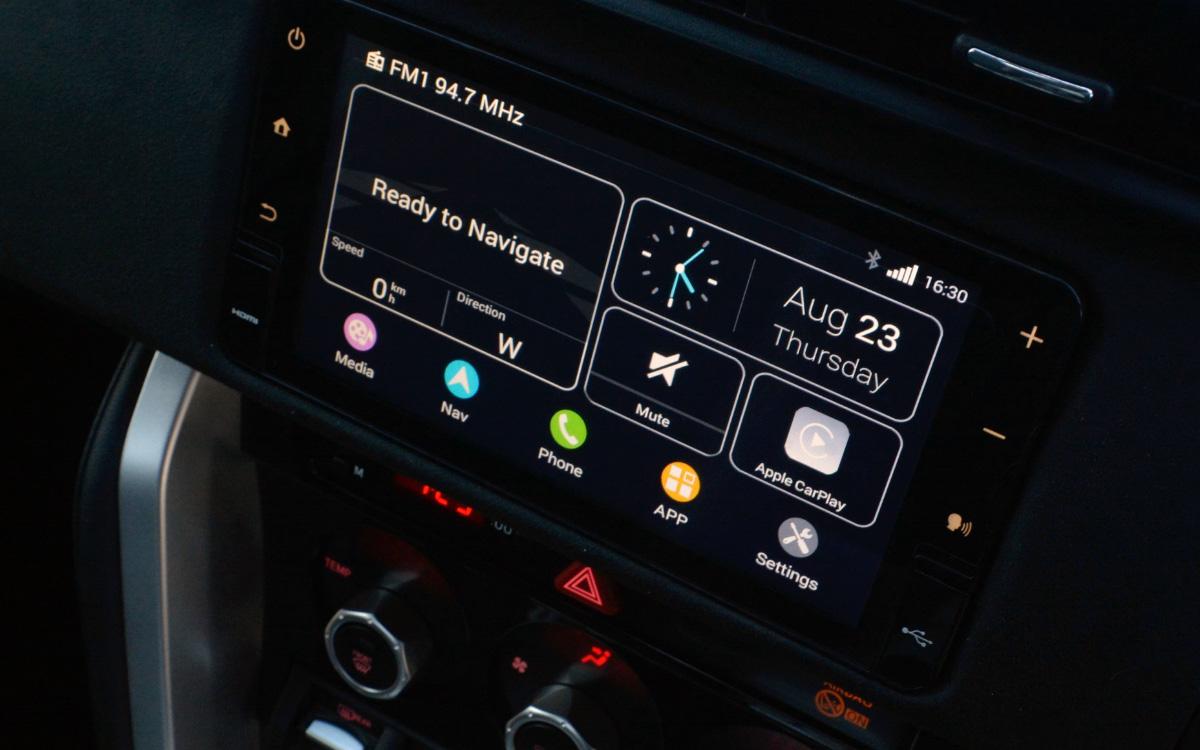
The Toyota 86 received a makeover in 2018, changing the name to GT86, updating appearances and revamping the infotainment system. This much-needed update to the electronics has brought the Toyota closer to the competition but is yet to challenge them officially.
The Toyota/Display Audio system offers a strange combination of HDMI, USB, Bluetooth and Aux connectivity. New units are Apple CarPlay and Android Auto-equipped with functionality accessed via cable tethering.
The colour touchscreen is devoid of tactile rotary buttons for volume control and touch-sensitive sections of the infotainment system frame offer the interface for controls such as Home, Back and Power. Most drivers will thus prefer to utilise the steering wheel-mounted controls as opposed to fumbling for the right button while watching the road.
The menu layout is vastly improved over older Toyota offerings and the tiled home screen make accessing primary functions considerably easier. Function switching can take place via the row of shortcut buttons below the home screen, despite the fact that these are touchscreen based.
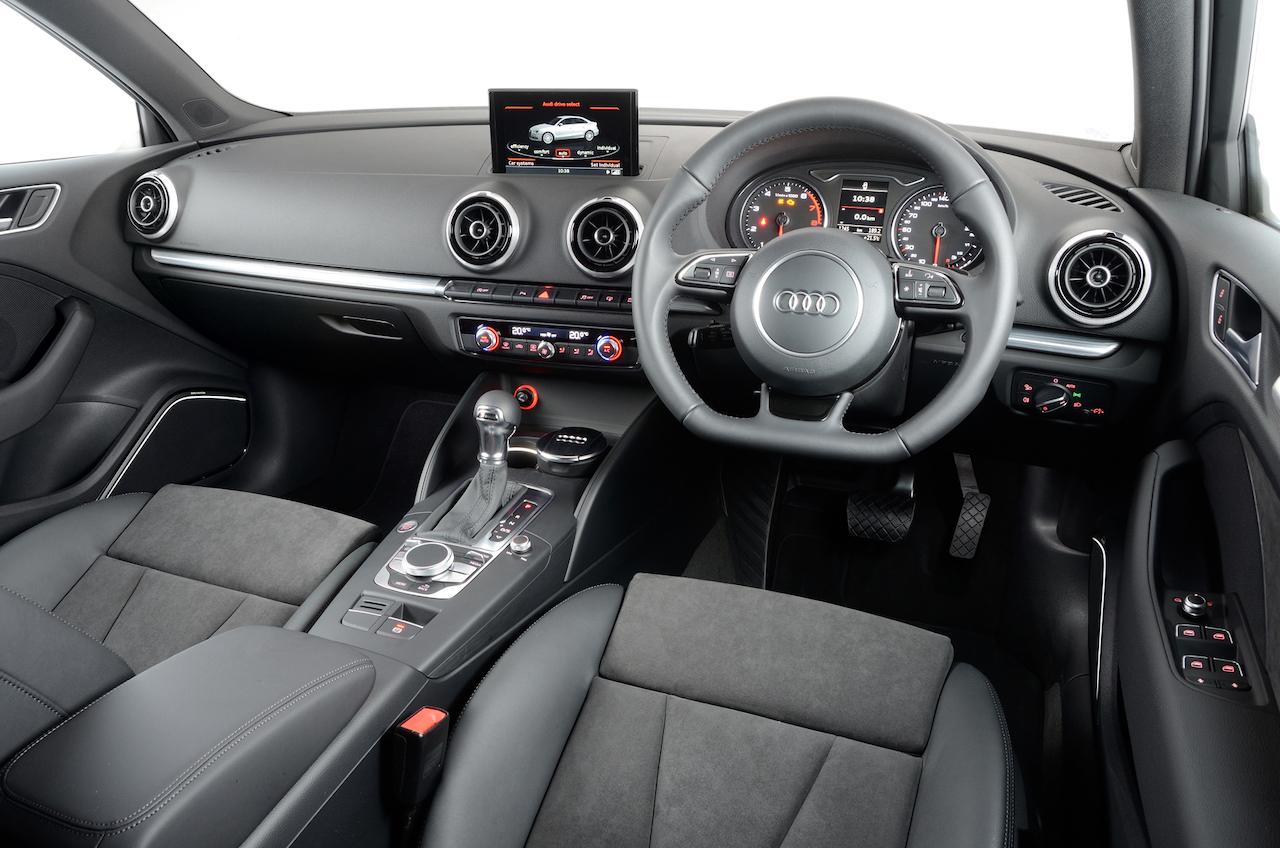
Audi A3 Sedan
3.5/5
The Audi A3 sedan is fitted with the same 7-inch retractable screen that one will find in the A3 hatch. As such, it is equipped with Bluetooth, USB, Aux, SD card slots and a CD player.
One will have to specify the Audi Smartphone interface for Apple CarPlay (R4 913), MMI Navigation for SatNav (R15 132) or Virtual Cockpit (R7 314) for the full experience though.
The standard system will utilise the MMI command interface between the seats or the steering wheel-mounted controls. Navigating through the menus and functions is relatively intuitive and familiar Audi, even if the layout is that of the older system and not the same that one would find on the newer A4, for instance.
See how the Nissan 370Z fares: Infotainment Comparison – Toyota GT86 vs Mazda MX-5 RF vs Nissan 370Z