
Best cars for people with mobility problems
Best cars for people with mobility problems


By Martin Pretorius
All cars operate with basically the same controls. Your feet control your car's speed, braking, and clutch, and your hands operate the gear lever, steering wheel, and indicators. If you're able to synchronise these controls, you can control a car at its most basic level. The picture looks rather different for people with physical disabilities, however, and while it's usually simple enough to convert almost any car to hand- or foot controls, there are other important factors which would influence their choice of car.
Accessibility is crucial
For starters, accessibility takes on prime importance. Commercial vans (such as the Volkswagen Transporter or Hyundai H1) make it easier to create a simple “roll-in” access system, where a wheelchair would also function as the driver's seat, but many drivers either don't need such a solution or desire something smaller. This makes more-compact vehicles with large door openings a basic requirement, and even more so if they can be ordered with an automatic transmission.
Entrance height and door sill dimensions are also factors, where a wheelchair should be able to get very close to a driver's seat of roughly the same height, to ease entry and exit. A driver's seat with a wide range of adjustment is particularly desirable, especially if the seat adjustment could be performed electrically. Secondary controls are also worth considering, with large switches and power steering also must-haves. Lastly, there should be easily accessible storage space for a folded wheelchair, along with enough space to slide it past the steering wheel.
These parameters mean that the choices become somewhat restricted. Tall roofs, big doors, medium-height seats, plenty of room and some convenience features – it's a tall order to combine all these in a single vehicle. Let's look at some cars we think might fit the bill.
Hyundai i20
Modern compact cars can be surprisingly well-suited to this role, mainly thanks to their raised rooflines, wide-opening doors and slim door sills. One such example is this , which was ordered with an automatic gearbox before being converted for use by a paraplegic. Among its favourable characteristics are a driver's seat which can easily be adjusted for height, generous fore-aft seat travel to create space for the wheelchair to be slid into the passenger seat, and standard steering wheel controls for the audio system and Bluetooth telephone hookups.
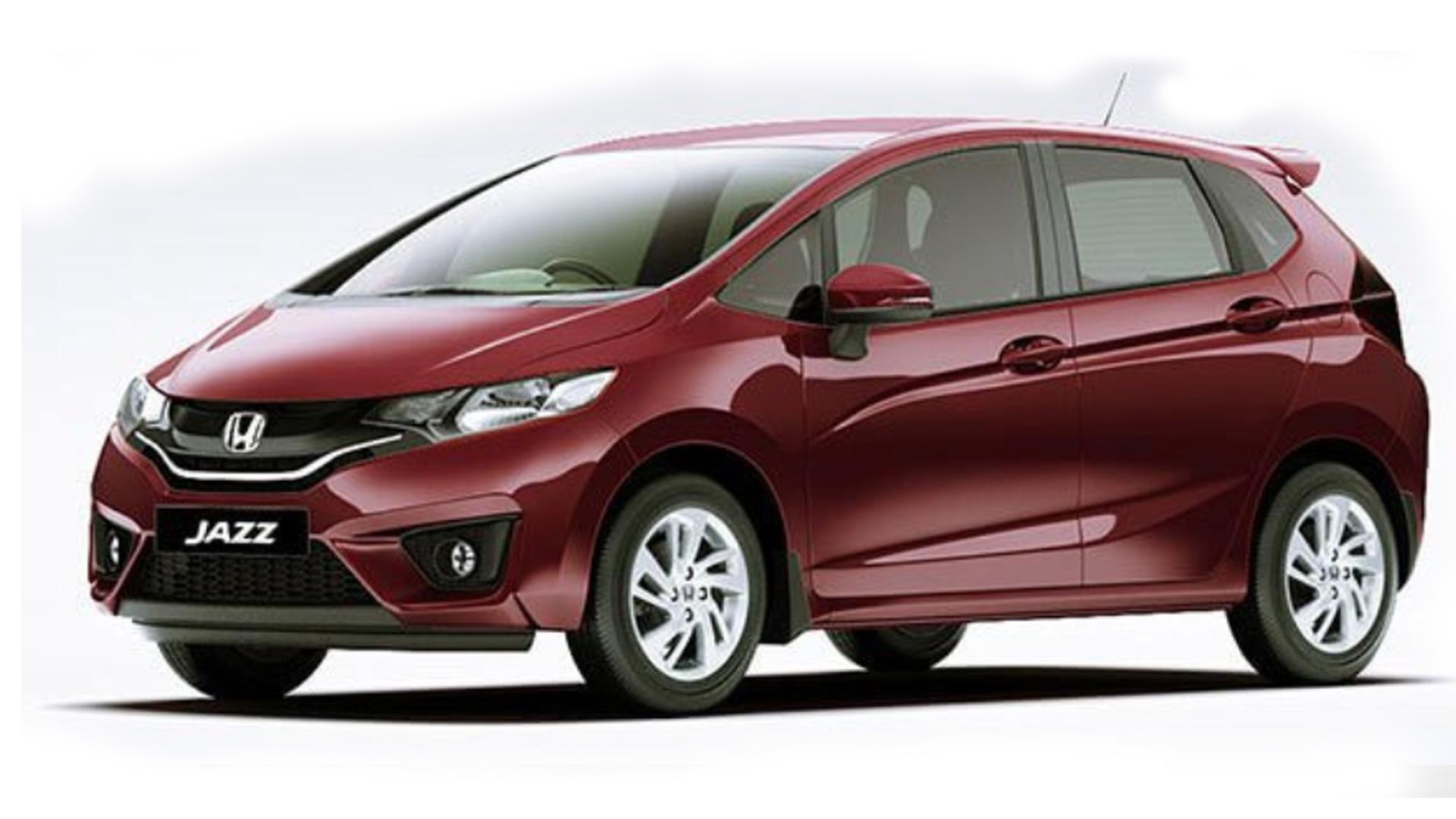
Honda Jazz
Sharing most of the same attributes as the i20, the Jazz adds its clever “Magic Seat” system, which should make it much easier to slide a wheelchair or two behind the front seats. Its compact size makes it easy to place in traffic or parking lots, and those tall door openings make it easy to enter and exit. Add to that very low steering effort, large glass area for good visibility and simple secondary controls, and the Jazz becomes a prime candidate for conversion.
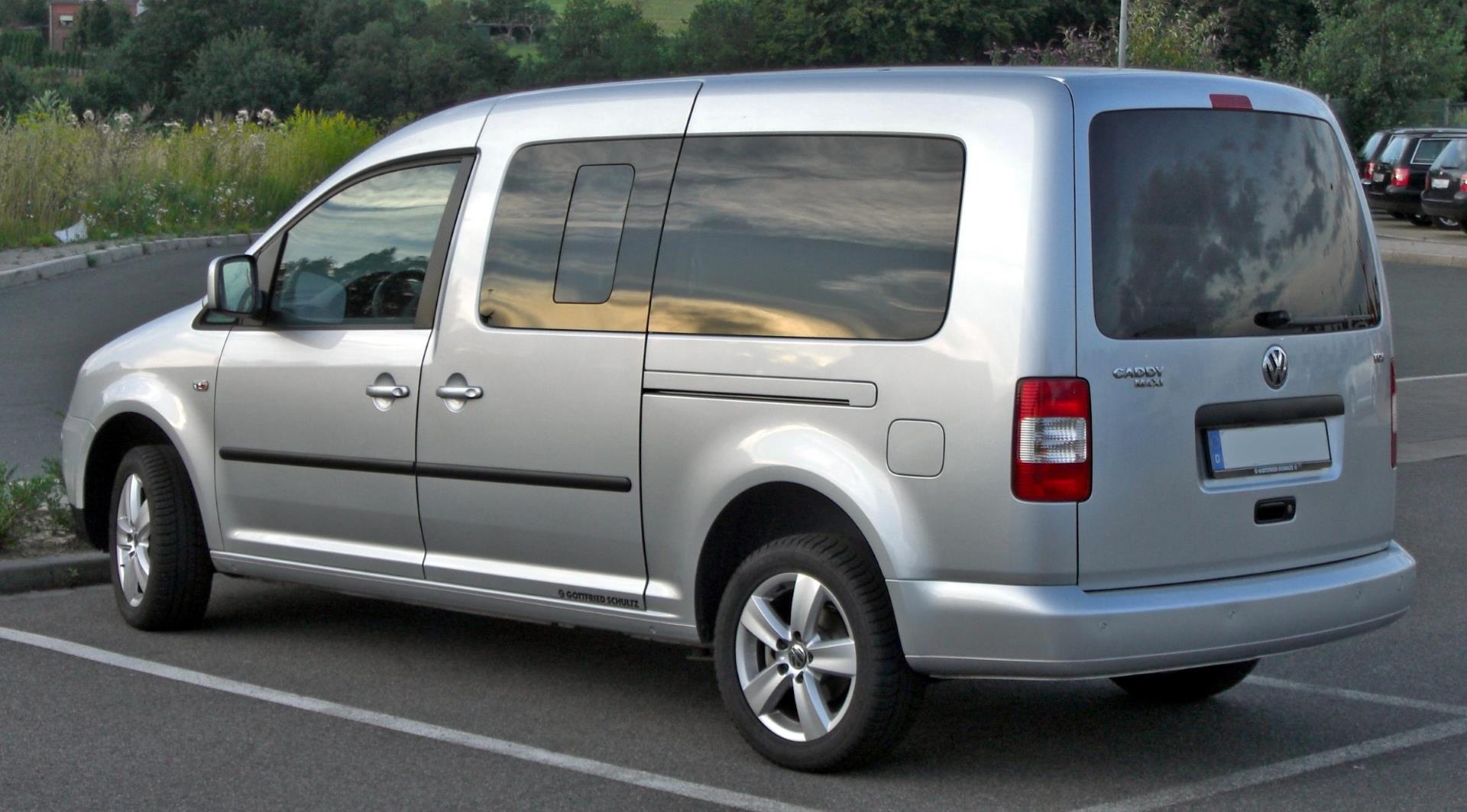
Volkswagen Caddy Maxi
The Caddy's ace up its sleeve (shared with others such as the Renault Kangoo or Fiat Qubo) is its sliding side doors, which makes it possible to incorporate an access ramp; and its flat floor, which enables the fitment of a “drive from the wheelchair” driver's docking station. The fact that it's available with VW's DSG automatic gearbox gives it an edge over other small vans, however.
It's a complex conversion, entailing replacing the driver's seat with the docking station, lowering the floor under the driver's seat to create enough height for a wheelchair, and adding a motorised access ramp at a side door or tailgate. The amount of work and specialised hardware involved makes this a very expensive option as well, but it is the most effortless way to board.
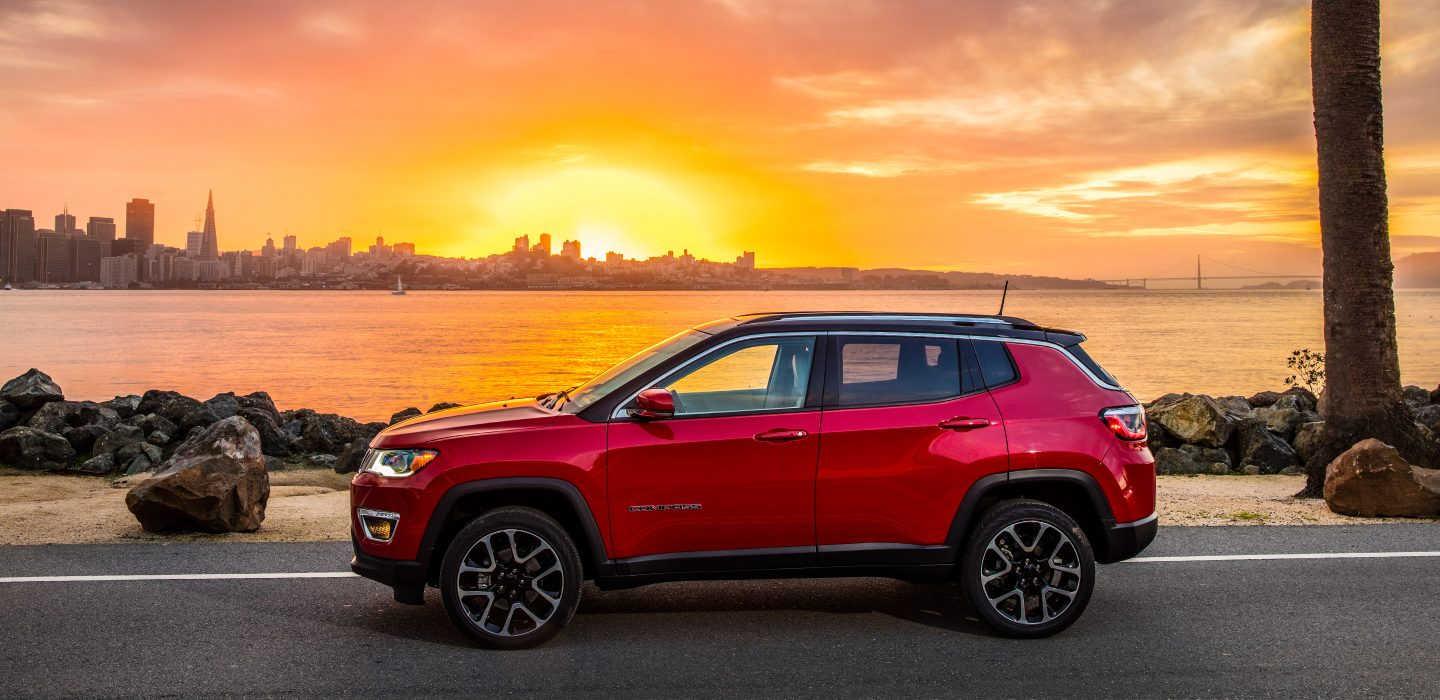
Jeep Compass
Most other Jeeps are high-riding off-roaders, but the car-like Compass has a suitable ride height to facilitate easy entry and egress, along with large doors which open quite widely. Again, its raised roofline makes sliding a wheelchair inside easier, and its surprisingly generous front seat space allows plenty of room for the fitment of hand controls. The new-generation Compass (due in SA in a few months) should continue this tradition.
Hyundai Veloster
Don't discount the Veloster on account of its low roofline, because that wide driver's door creates a massive opening. Most of the i20's strong suits apply here too, but it adds a nice sporting flavour to the proceedings – nobody ever said that the wheelchair-bound can't have some fun behind the wheel, right? Sitting on a slightly larger platform than the i20 also creates a greater range of adjustment for the driver's seat, and its asymmetric side door arrangement and reasonably practical hatchback will ease stowing of a wheelchair when riding two-up.
We've highlighted some options for people with physical disabilities, but there are many other equally-capable cars out there. As long as they fit most of the requirements outlined in the beginning of this article, they might actually surprise you with their practicality and ease of use.