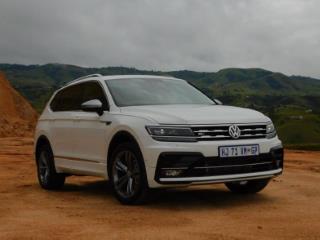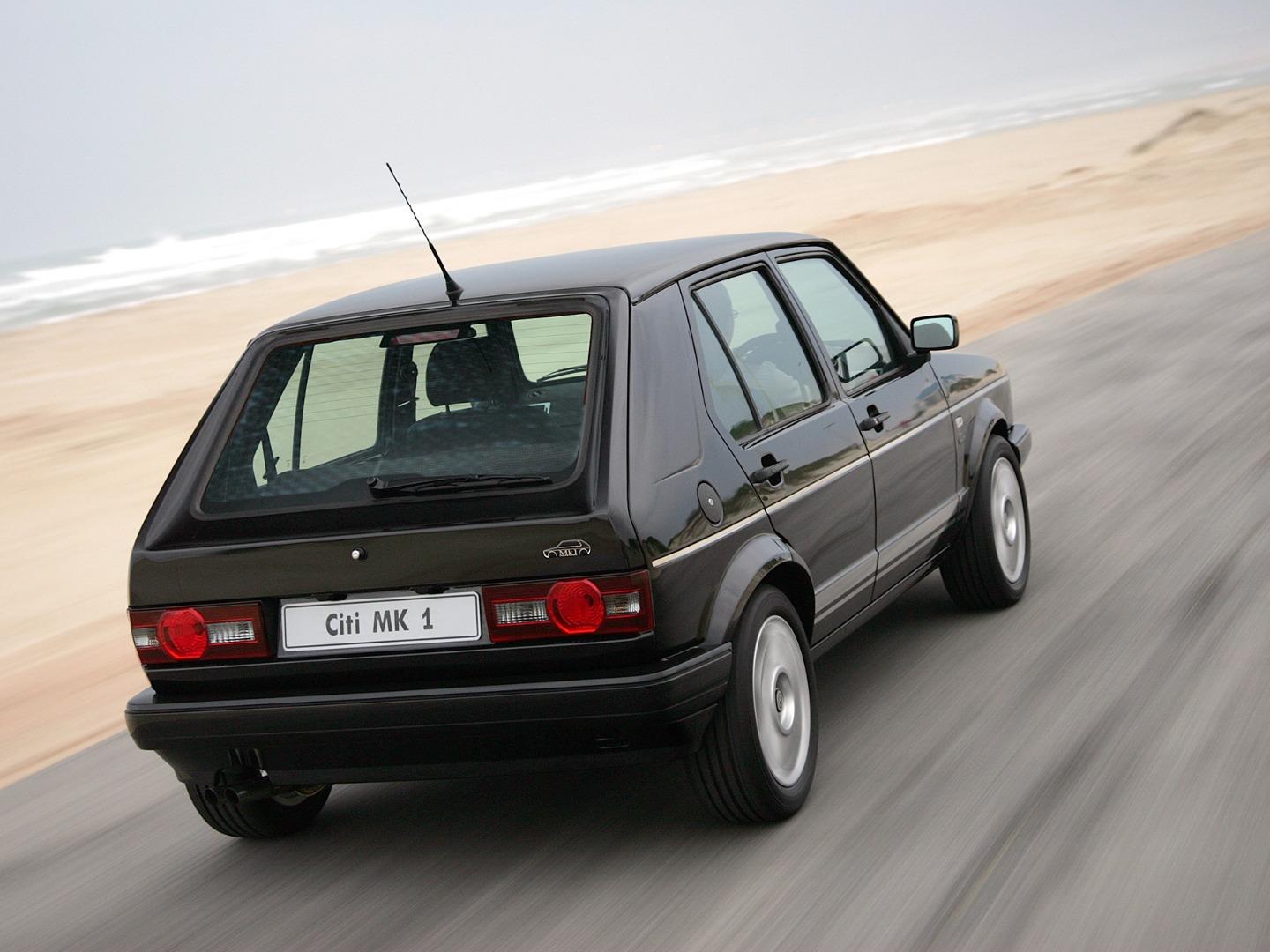

It's no secret that South Africans have a special affinity with the Volkswagen brand. We've loved everything from the original Beetle to the Citi Golf and let's not forget about the ever-popular GTI. It's the dream of many a young boy (and girl) to own their very own Volkswagen.
Related: Should you buy a car with high mileage?
Not all of us can realize the dream of owning a brand new car immediately though and will have to settle for a used on in the mean time. Used cars can be wrought with pitfalls and dangers; cars are complicated pieces of machinery with thousands of moving parts that need to be maintained and looked after. As these cars age, their value decreases, making them more affordable than they were when they were new. They also start to show their wear and tear, which begs the question: are Volkswagens good high mileage cars or should you avoid a cheaper, higher mileage VW?

High mileage Volkswagens
Mileage isn't a universal measurement and not all mileage is equal. 100 000 km of hard work and abuse is very different to 100 000 km of tender loving care with regular services. A vehicle is only as good as it's been cared for. There's no reason that a Volkswagen shouldn't do a very high mileage if looked after and maintained. There are stories about VWs managing to make astronomical distances and continue to run.
Gerrie Esterhuizen of the Free State, was honored at the Volkswagen South Africa plant in Kariga when his 2004 Volkswagen Polo ticked over to 1 000 000 km. Working as a salesman, Esterhuizen would sometimes do as much as 12 000 km in a single month but regular servicing and using only genuine VW parts helped him reach this milestone. In that time, the fuel pump needed replacing twice, once at 200 000 km and again at 800 000 km, but other than that, the vehicle has performed flawlessly. The engine remains unopened and even uses the original starter, alternator, radiator, and clutch.

Known faults
Naturally, not all VWs are created equal either and a more performance orientated vehicle than Mr Esterhuizen's Polo may need more care and attention. There are a few models and engine derivatives that have known pain-points and areas that you will have to inspect before buying, especially if the mileage is higher.
Golf GTI turbo
The seventh generation Volkswagen Golf GTI, especially early 2013/2014 models, was prone to premature turbocharger failure. This is unfortunately has the potential of causing a major, and total engine failure if bits of the turbocharger are ingested into the engine. There are numerous reports of Golf 7 GTIs requiring complete engine replacements as a result.
2.0 timing belts/chains
Both petrol and diesel 2.0-litre engines have a reputation for eating timing belts if improperly maintained. Most of the trouble rests with the tensioners that ensure that these crucial components operate in the manner intended. The timing belt and chain is responsible for the smooth and efficient operation of the engine by coordinating the timing of the valves and other components. A premature failure here can result in a total engine loss.
TDI oil pumps
We'll momentarily forget about the dieselgate scandal that befell Volkswagen and just look at the reliability of the diesel engines. While intrinsically the same, diesel engines do operate under a slightly different set of circumstances. Components are subjected to greater forces in a diesel engine and lubrication of these components is crucial. A noisy TDI engine could indicate a worn or fault oil pump. This can lead to a set of rather expensive repairs if not addressed in a timeous manner.

Verdict
There's no reason that a well-maintained Volkswagen should leave you alongside the road but it will heavily depend on the service history and how well you're prepared to maintain it. The simpler the engine, the less headache you can expect from it. For this reason, we recommend only considering naturally aspirated models (models that are not turbocharged or supercharged) and steering clear of the performance models as well if their mileage is on the high side.