When the current generation Ford Everest launched in South Africa in 2015, it was the answer to many an enthusiasts prayers. It combined all the rugged go-anywhere features of the Ford Ranger but made it easier to live with thanks to the 7-seater arrangement and closed rear section.
It shared the market with the likes of the established Toyota Fortuner and Mitsubishi Pajero and up until a short while ago, the Chevrolet Trailblazer. All of these offer the same mix of seating for seven and enough 4x4 prowess to conquer even the gnarliest off-road trail.
Related: Ford Everest 2.0Bi-Turbo Limited vs Toyota Fortuner 2.8GD-6 Epic
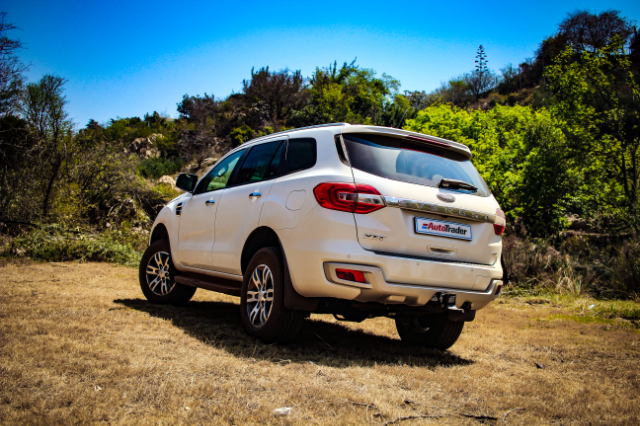
2019 saw the Everest receive some attention, mainly in the way of engine and drivetrain but throwing in some creature comforts and technology as well. As a whole, the new Ford Everest is more agreeable than ever before and our time spent behind the wheel of the 2.0 Bi-Turbo 4WD XLT model showed us what a few small changes can do to an already impressive offering.
Here's what has changed for the 2020 model year.
1. New 2.0-litre engines
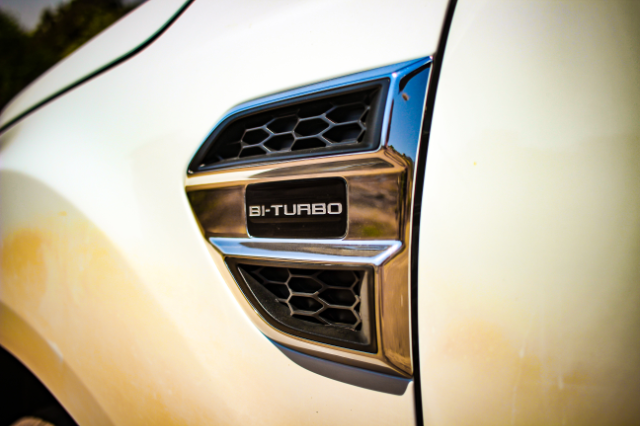
Where the previous engine complement consisted of 2.2-litre 4-cylinder and 3.2-litre 5-cylinder turbodiesels, the 2020 model gets two new engines. The first is the highly-acclaimed 2.0-litre Bi-Turbo diesel engine that does duty in the XLT and Limited models. This engine produces 157 kW and 500 Nm making it 10 kW and 30 Nm stronger than the range-topping 3.2 that it replaces. This engine benefits from a pair of sequential turbochargers with one providing power in the low RPM range and the larger of the two serving duty in the higher rev range.
Joining it is a 2.0-litre single turbo diesel engine that produces 132 kW and 420 Nm. This engine can be found in the XLT 4x2 model.
Both engines provide smooth, quiet operation with the Bi-Turbo performing extremely well throughout the rev range, no matter what gear you are in. It's further proof that in this day and age, displacement is immaterial.

2. 10-speed gearbox
You read that right, 10 gears. It may seem like overkill, having 10-gears to choose from in the new Everest but you need not worry about that - no fears of a Peterbilt 379 manual shifter here as the cog-swapping is taken care of automatically.
Ford work in conjunction with GM to develop a range of multi-speed gearboxes, one of which is the 10R80 in the Everest, with similar applications doing duty in the Chevrolet Camaro and Ford Mustang.
This gearbox is silky smooth and you'll hardly notice it shifting - the mark of a good automatic gearbox. It has the ability to hold gears, handy for towing and off-road work, as well as skip gear when not needed. This way it can shift from 3rd to 6th in one motion rather than have you subjected to three unnecessary changes.
3. Suspension tweaks
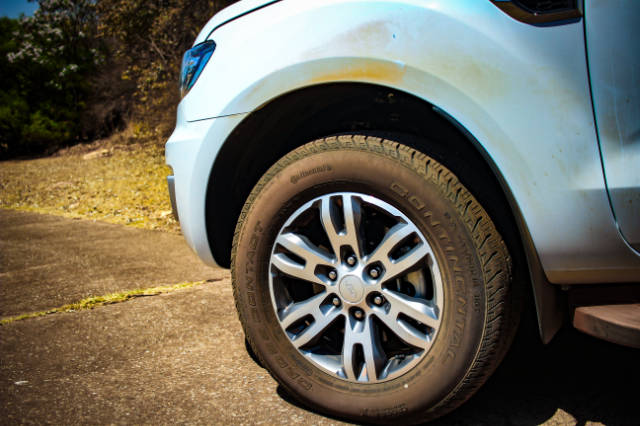
The chassis engineers at Ford have flipped the anti-roll bar around so that instead of it mounting to the front of the Everest, it now attaches to the rear, by the firewall and near the steering rack. This has had several benefits, one of which is improved steering feel and an improvement in front end grip levels.
By doing this, the engineers were able to install softer front springs without sacrificing the drive characteristics and handling dynamics. The benefit is a more compliant ride quality for the passengers and less jarring on uneven surfaces.
4. Driver assistance systems
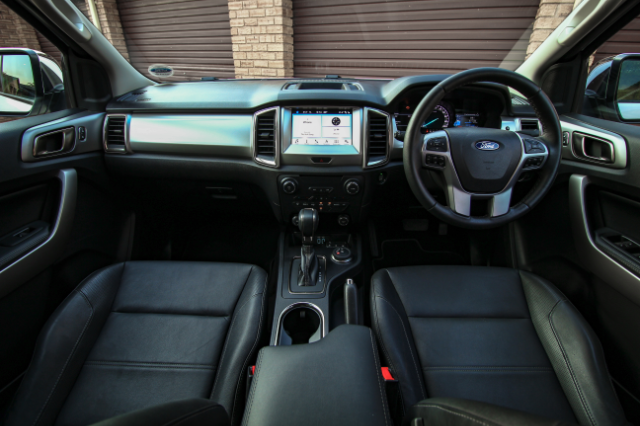
The new Ford Everest has been treated to a tech upgrade and this includes some handing driving features such as Adaptive Cruise Control with Forward Collision Alert that will detect if there is an obstruction, even a pedestrian, in your path and automatically apply the brakes if need be.
You'll also get Lane Keep Assist with Lane Departure Warning as well as Blind Spot Information with Cross-Traffic Alert, a tyre pressure monitoring system and automatic high beam headlights.
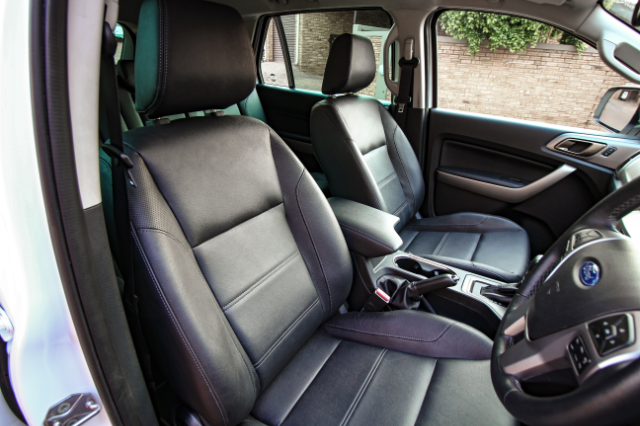
5. Improved Security
Sadly, one of the negative aspects that have plagued both the Ranger and Everest is the risk of theft. Ford has acknowledged this concern and taken steps to improve the overall security of the models. In the Everest, you will now get PEPS which stands for Passive Entry and Start System. With this, you no longer have to remove the key fob from your pocket in order to open or start the vehicle. Yes, it's a fancy name for a push-button start.
Ford has also fitted all Everest models with a Category 1 Thatcham-specification alarm system to further deter would-be thieves.
Recommended next:
Ford Everest vs Mitsubishi Pajero Sport vs Toyota Fortuner: here's our winner
We compared Ford Everest engines, and the efficiency crown goes to…