Hyundai Tucson Buyer's Guide (2016-2020)
The Hyundai Tucson remains a firm favourite of middle-class suburbia around the world. The third-generation Hyundai Tucson reclaimed its nameplate from the IX35 designation in 2016 and remains a solid choice for families everywhere. These vehicles are still highly sought after, and this is what you need to know if you are in the market for one.


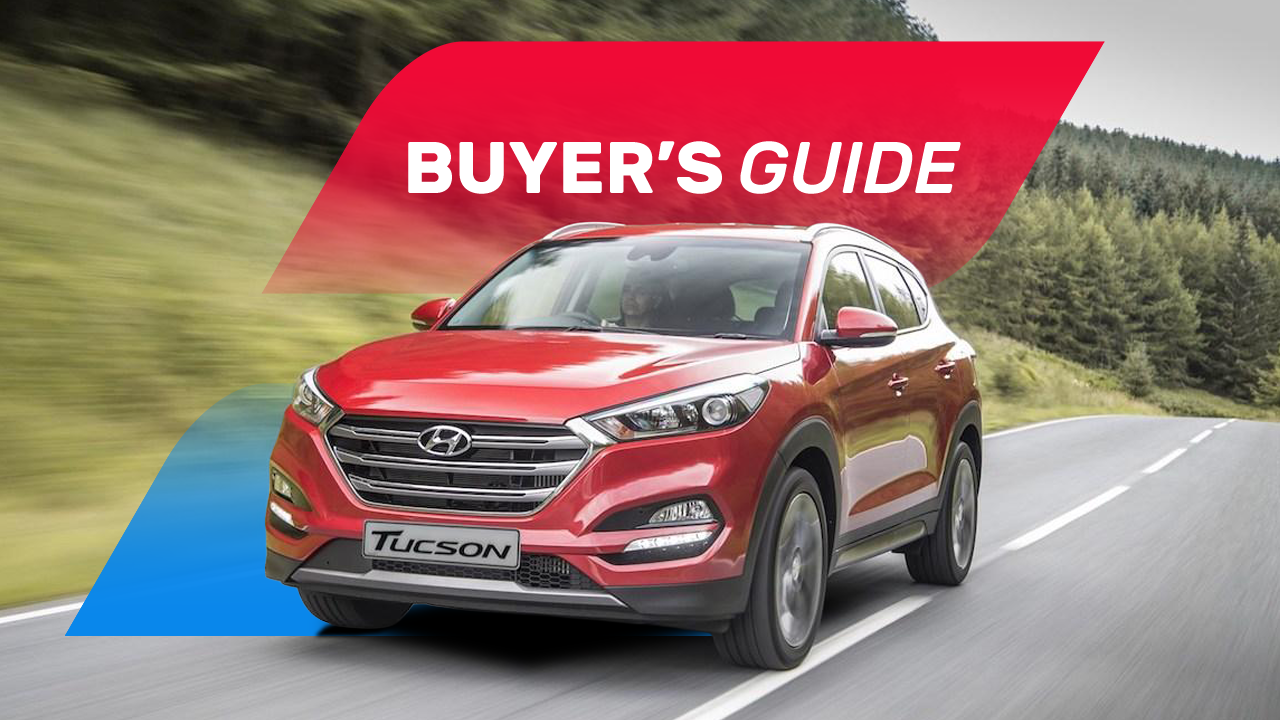


The Hyundai Tucson was launched in 2004 and quickly became a global hit. It was replaced by the second generation in 2010, which became known as the ix35, after Hyundai decided to change its naming convention across all its models. This didn't go down well with enthusiasts, and when the third generation came along in 2016, they reverted to the well-known name.
Related: 3 Reasons why you should consider the new Hyundai Tucson (2019)
The Tucson nameplate is now in its fourth generation, but many drivers looking for a brilliant family crossover SUV still seek out the third-gen model as it represents incredible value for money, and if you are looking at one of these models as your next car, then this comprehensive buyer's guide will help you find the right one.
Hyundai Tucson updated for 2025!
Common problems and strengths with the Hyundai Tucson
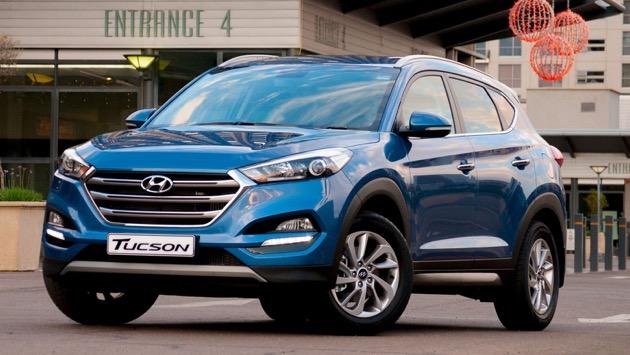
The 2016 Hyundai Tucson (third generation) was a massive hit in South Africa, marking a shift from the budget feel of the previous ix35 to a more premium, European-style SUV.
Strengths
The 2016 model is often praised for being a complete package. It’s practical, looks modern even years later, and was backed by a massive warranty.
Ride Quality & Handling: Unlike many competitors, the Tucson was tuned for a plush, comfortable ride. It handles the Highveld's potholes and corrugated gravel roads with impressive composure.
Space & Practicality: It offers a generous 488-litre boot and plenty of rear legroom, making it one of the better family haulers in its class.
Engine Variety: * The 2.0-litre NA (Naturally Aspirated) engine is a simple, old-school workhorse.
The 1.6-litre Turbo (T-GDi) offers punchy performance for overtaking on highways.
The 1.7 and 2.0 CRDi diesels are the sweet spots, offering massive torque (400Nm in the 2.0L and excellent fuel economy for long trips.
Peace of Mind: Many of these vehicles were sold with Hyundai’s then-groundbreaking 7-year/200,000 km warranty, meaning many used examples were serviced strictly at dealerships to keep that coverage intact.
Common problems
1. Engine & oil consumption (2.0-litre Models)
The 2.0-litre petrol engines (GDi and MPi) from this era have been known in some cases to develop high oil consumption.
The Risk: If the oil level drops too low without the driver noticing (it lacks a low-level sensor), it can lead to engine knocking or even total failure.
Advice: Always check the service history for frequent oil changes. If the engine sounds "tappy" or "clattery" on startup, walk away.
2. DCT Gearbox hesitation (1.6 turbo models)
The 1.6T models often used a 7-speed Dual-Clutch Transmission (DCT).
The Issue: Owners sometimes report "jerking" or a "shuttering" feeling when pulling away from a stop or crawling in traffic.
Solution: This is often a software calibration issue. Ensure the previous owner had the latest Transmission Control Module (TCM) updates applied at a Hyundai dealer.
3. Build quality niggles
While the interior looks great, it’s not immune to minor annoyances:
Panoramic Sunroof Squeaks: If the model you're looking at has the big glass roof, listen for creaks when driving over uneven surfaces.
Boot Rattle: A common complaint in SA is a rattle from the rear, which is usually just the boot latch or the spare wheel cover needing a bit of padding.
4. Infotainment Glitches
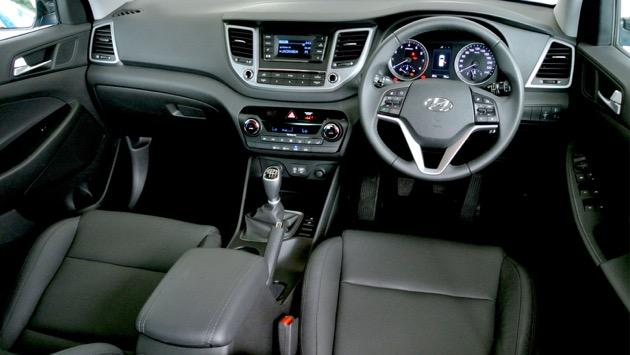
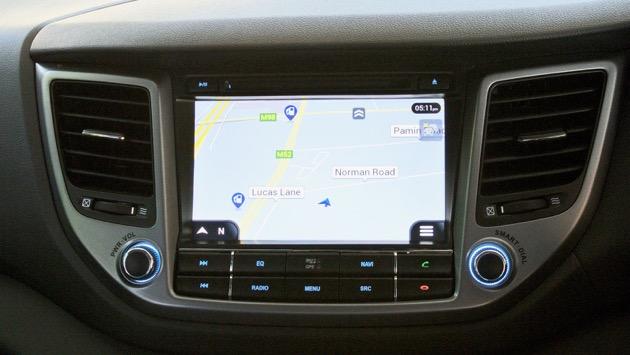
Early 2016 models occasionally suffer from screen freezes or Bluetooth connectivity drops.
Check: Ensure the touchscreen is responsive and that the reverse camera displays immediately when you shift into reverse.
Running costs of a Hyundai Tucson
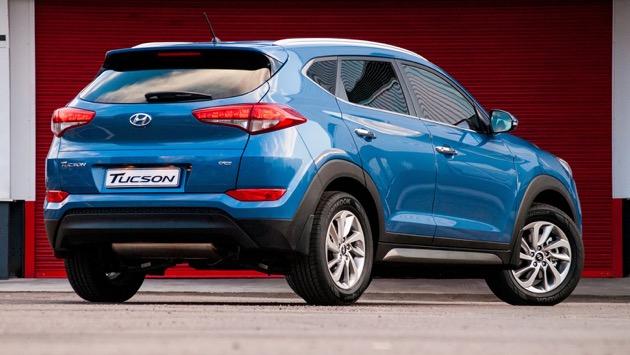
The running costs for a 2016 Hyundai Tucson in South Africa are generally considered middle-of-the-road. It isn't as cheap to maintain as a hatchback, but it’s significantly more affordable than premium German rivals. Here is a breakdown of what you can expect to pay for fuel, servicing, and insurance in the current South African market.
Fuel consumption
Fuel will be your largest monthly expense. The Tucson is a relatively heavy SUV, and the petrol engines can be thirsty in city traffic.
| Engine Type | Claimed (L/100km) | Real-World (SA Cities) | Real-World (Highway) |
| 2.0 Petrol (NA) | 8.9L | 10.5L – 11.5L | 8.0L – 8.5L |
| 1.6 Turbo Petrol | 8.5L | 10.0L – 11.0L | 7.5L – 8.0L |
| 2.0 CRDi (Diesel) | 6.8L | 8.0L – 8.5L | 6.0L – 6.5L |
Pro Tip: If you live in Gauteng (High Altitude), the 2.0 Petrol feels more sluggish, which often leads to "heavy-footing" and even worse fuel consumption compared to the Turbo or Diesel models.
Service & maintenance costs
By now, most 2016 models are out of their original service plans, meaning you'll likely be paying out of pocket.
Minor Service: R1 900 – R2 800
Includes: Oil, oil filter, and basic inspections.
Major service: R3 500 – R5 500
Includes: Air filters, fuel filter, spark plugs (petrol), and brake fluid flush.
Common wear-and-tear parts:
Front brake pads: R1 200 – R1 800 (Excl. labour)
Tyres (17 to 19-inch): R1 800 – R3 500 per tyre (depending on brand/size).
Battery: R2 200 – R2 800.
Insurance estimates
Insurance premiums in SA depend heavily on your age, area, and claims history. However, for a 2016 Tucson, you can expect the following ballpark figures for Comprehensive Cover:
Premium / Executive models: R1 600 – R2 200 per month.
Elite / Diesel models: R2 000 – R2 800 per month.
Security note: The Tucson is not currently on the "high-risk" theft list (unlike some Hilux or Fortuner models), which helps keep premiums slightly lower.
Unexpected big ticket items
If you are buying a used 2016 model, keep a rainy day fund for these specific items:
DCT clutch pack (1.6T models only): If the dual-clutch transmission begins to slip, a replacement can cost R15 000 – R25 000.
Diesel injectors/turbo: On high-mileage diesels (150 000km), ensure the turbo is whistling smoothly. Repairs here can exceed R20 000.
Panoramic sunroof: If the motor fails, it is notoriously expensive to fix at the dealership (often over R10 000).
Verdict
The 2.0 CRDi (Diesel) is the winner for long-term running costs. While the initial purchase price might be higher, the fuel savings and engine longevity make it the most "wallet-friendly" Tucson over a 3-to-5-year ownership period.
General car buying advice
- Tyres: Ensure the tyres are a reputable brand, as this is usually a sign of how well a car is treated. If the owner/dealer cut corners by purchasing cheap tyres for a performance or off-road vehicle, where else did they cut corners?
- Modifications: A modified car is a far greater risk than a used car, especially a standard model. A person who modifies their performance vehicle generally drives it harder, creating a double whammy.
- Service history: The Ranger will provide you with many years of reliable service, provided it has been serviced regularly with high-quality oil. Therefore, ensure your vehicle has a comprehensive service history.
- Accident damage: Inspect the paint and check key weld points under the bonnet and in the vehicle's boot to ensure the car has not been in a major accident. Some spray work on front and rear bumpers is standard, but walking away is better when the vehicle's structure has been damaged.
Which Hyundai Tucson model should I buy?
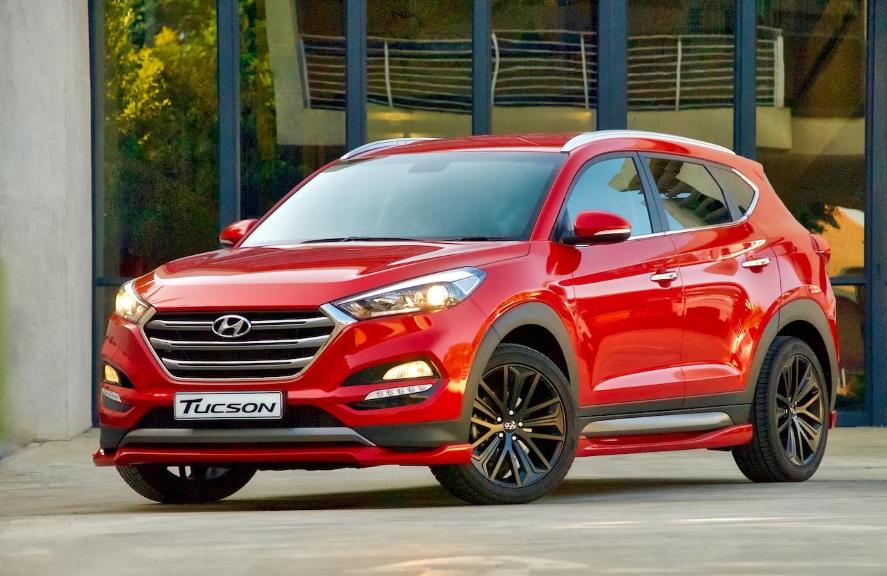
The "best" Tucson depends entirely on whether you prioritize long-term reliability, fuel savings, or tech features. In the South African context, the 2016 range is generally split into Premium (Base), Executive (Mid), and Elite (Top) trims.
The Best All-Rounder: 2.0 CRDi Executive (automatic)
If you can find a well-maintained diesel, this is the "gold standard" for the third-generation Tucson in SA.
Why: The 2.0-litre turbodiesel produces 400 Nm of torque. This is crucial in South Africa for overtaking on single-lane national roads and maintaining power at the high altitudes of Gauteng.
The Transmission: It uses a traditional 6-speed torque-converter automatic, which is much smoother and generally more reliable long-term than the 1.6 Turbo's DCT (Dual-Clutch) gearbox.
Trim Level: The Executive trim is the sweet spot. It includes leather seats, a reverse camera, and dual-zone climate control without the added weight (and potential leaks) of the Elite’s panoramic sunroof.
The Best for Budget/City Driving: 2.0 Nu Premium (Manual/Auto)
If you do mostly short school runs or city commuting and want the lowest possible maintenance risk, go for the naturally aspirated 2.0 petrol.
Why: This engine is mechanically simple. There is no turbocharger to fail and no complex high-pressure fuel system like the diesels.
Caveat: It can feel sluggish at high altitudes (Joburg/Pretoria) when fully loaded. It is best suited for coastal buyers (Cape Town/Durban).
The Best for Performance: 1.6 T-GDi Elite
For those who want a "hot hatch" feel in an SUV body.
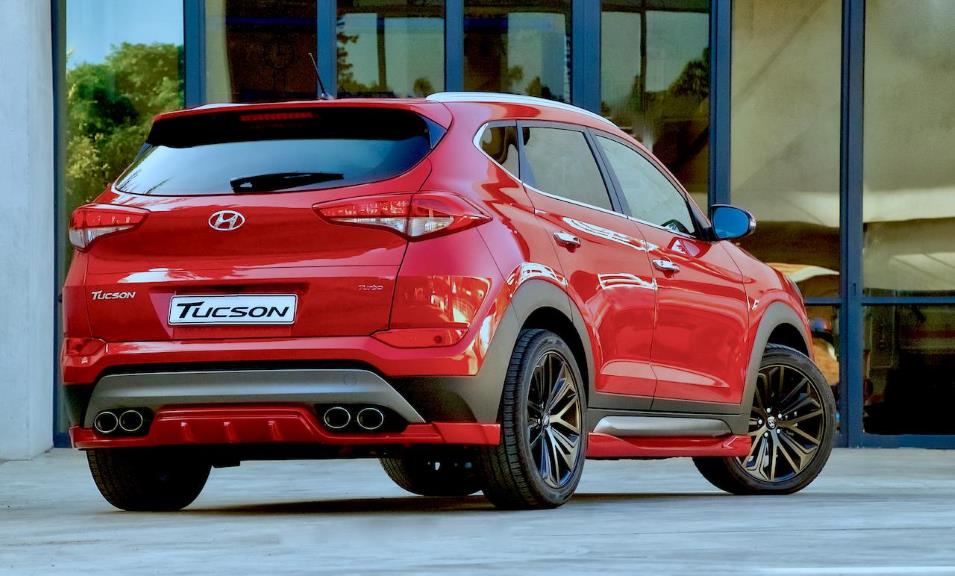
Why: The 1.6 Turbo is punchy and fun to drive. The Elite trim adds the "wow" factor: 19-inch wheels, LED headlights, and the massive panoramic sunroof.
The Catch: The 7-speed DCT gearbox can be "jerky" in heavy traffic (like the N1 stop-and-go). Only buy this if you have a low-mileage example with a full service history to ensure the transmission was cared for.
Summary Comparison
| Goal | Recommended Model | Pros | Cons |
| Reliability | 2.0 Petrol Premium | Simplest engine, lower repair costs. | High fuel consumption, slow at altitude. |
| Value & Torque | 2.0 CRDi Executive | Best fuel economy, great for towing/trips. | Slightly higher purchase price. |
| Luxury & Power | 1.6 T-GDi Elite | Highest tech, fastest acceleration. | Complex gearbox, sunroof can creak. |
Final Recommendation
Look for the 2.0 CRDi Executive. In South Africa, diesel holds its resale value better in the SUV segment. You get the perfect balance of luxury features and an engine that can easily clock $300,000\text{ km}$ if serviced correctly.
One warning: Avoid the 1.7 CRDi if you can; while fuel-efficient, it was only available in manual and feels underpowered compared to the 2.0-litre diesel.
Test drive checklist
| Area | Item to check | Tucson specific focus | Status |
| Exterior | Paint, body panels | Check panel gaps, particularly around the rear hatch and bonnet, for signs of accident repair. | ☐ |
| Tires & wheels | Look for curb rash/scratches on alloys. Check tyre wear: excessive wear on the inner/outer edge can indicate poor alignment or suspension issues. | ☐ | |
| Suspension check | Push down firmly on each corner of the car; it should rebound smoothly once, not bounce repeatedly. | ☐ | |
| Engine bay | Oil/coolant levels | Crucial: Check the coolant reservoir for a white/pink/red powdery residue around the cap or hoses—this is a common sign of a failing water pump/thermostat housing (a known Golf issue). | ☐ |
| Oil condition | Dipstick oil should look clean, not excessively dark or gritty. Check for any sludge under the oil cap. | ☐ | |
| Interior | Seat bolsters | Check the driver's seat side bolsters for excessive wear/tearing, which indicates heavy use. | ☐ |
| Sunroof (if fitted) | Test the open/close operation. Important: Pour a small amount of water into the drain channels (if possible and safe) to ensure they aren't blocked and to prevent leaks inside the cabin. | ☐ | |
| Service history | Confirm that the DSG fluid (every 40k miles/60k km) has been serviced on schedule. | ☐ |
| Test | Action | Expected result | Status |
| Brakes | Perform a gentle stop and a firm, quick stop (safely). | Smooth, straight stopping. No grinding, squealing, or pulsing through the pedal. | ☐ |
| Steering | Turn the steering wheel lock-to-lock slowly while stationary. | Smooth, quiet operation. No clicking or heavy effort, which could indicate power steering or worn suspension joints. | ☐ |
| DSG (Automatic) | Engage drive (D) and reverse (R). | Engagement should be immediate and smooth, without excessive clunking or hesitation. | ☐ |
| Tight turns | Drive slowly in a full-lock circle (left and right). | No clicking or knocking sounds from the front wheels (could indicate worn CV joints). | ☐ |
Reliability of the Hyundai Tucson
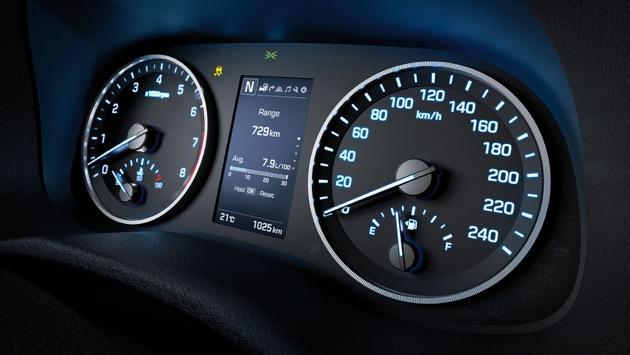
Overall, the third-generation (2016) Hyundai Tucson is considered above-average for reliability in South Africa, but it isn't without its problem children. Because 2016 was the first year of this specific generation, it carried a few first-year bugs that were ironed out in later models (2018 onwards). Here is the reality check on its long-term reliability.
The Reliability
If you are looking at a 2016 model today, these are the three areas where reliability most often falters:
1. Transmission Hesitation
The 1.6 Turbo models use a 7-speed Dual-Clutch Transmission (DCT).
The Issue: Many owners reported a lag or no-go sensation when trying to accelerate from a standstill. In some cases, the car would rev but not move for 1–2 seconds, which can be dangerous at busy South African intersections.
Reliability Fix: Hyundai issued several software updates for the Transmission Control Module (TCM). If the car you’re looking at feels jerky or hesitant, check if the TCM Flash was ever done.
2. Engine Longevity (Petrol vs. Diesel)
2.0 Petrol (Nu Engine): Extremely reliable in terms of not breaking down, but known for piston slap or knocking sounds at very high mileages if the oil wasn't changed religiously. It’s a simple engine that is easy to fix.
2.0 CRDi (Diesel): Highly robust. These are known to comfortably pass 250 000 km in SA. The main reliability risk here is the Turbocharger and DPF (Diesel Particulate Filter) if the car was only used for short city hops.
1.6 Turbo (T-GDi): More complex. It has a timing chain that can stretch over time (look for a rattling sound on cold starts) and carbon buildup on valves due to direct injection.
3. Electrical & Component Wear
Door Actuators: A common soft failure is when one door might refuse to lock or unlock via the remote.
Panoramic Sunroof: On the Elite trim, the rails can get clogged with SA dust, causing the motor to strain or the glass to stick. It requires regular cleaning and lubrication to stay reliable.
ABS Sensors: Occasionally fail, triggering a Christmas tree of warning lights on the dash (ABS, Traction Control, etc.).
Reliable buy
Score: 7.5/10. * Buy with confidence if: It’s a 2.0 Diesel or 2.0 Petrol with a full service history.
Be cautious if: It’s a high-mileage 1.6 Turbo with a jerky gearbox; the cost of replacing a DCT clutch pack out of warranty can be a budget-killer.
One of the biggest boosters for this car’s reliability reputation in SA is the service network.
Why it matters: Unlike some boutique brands, Hyundai parts are widely available in South Africa, and almost any independent mechanic knows how to work on a Tucson. This keeps downtime low if something does go wrong.
Pro Tip: Since the 2016 models are now around 8–10 years old, the 7-year warranty has expired. Your best reliability insurance is a thorough diagnostic scan to check for any hidden gearbox or engine fault codes before you sign the papers.
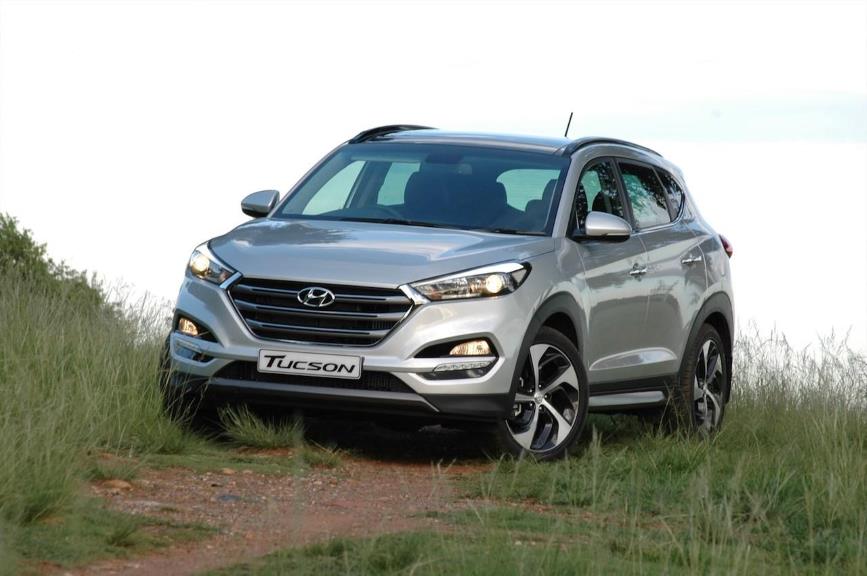
How much should you be paying for a used Hyundai Tucson?
As of mid-2026, the 2016 Hyundai Tucson remains a popular choice on the South African used market. Because these vehicles are now a decade old, pricing is heavily influenced by mileage and service history rather than just the trim level. Here is what you should expect to pay in the current market.
Market Value Estimates (2026)
| Model Variant | Estimated Price Range (Low – High Mileage) |
| 2.0 Premium (Manual) | R175 000 – R210 000 |
| 2.0 Premium/Executive (Auto) | R195 000 – R245 000 |
| 1.6 Turbo Executive/Elite | R220 000 – R270 000 |
| 2.0 CRDi Executive/Elite (Diesel) | R240 000 – R295 000 |
Factors That Influence the Price
The Diesel Premium: You will notice the 2.0 CRDi models consistently command the highest prices. This is due to their legendary reliability and fuel efficiency, which is highly prized in the current SA economy.
The 100 000 km Milestone: In SA, there is a significant price "drop-off" once a car exceeds 100,000km. A Tucson with 80,000km might cost R30 000 more than the exact same model with 120,000km.
Panoramic sunroof (Elite Trims): While a great feature, ensure it works perfectly. A faulty sunroof on an Elite model can actually be a bargaining point to lower the price, as they are expensive to repair out of warranty.
Pricing Red Flags
Too cheap (under R160 000): Be very cautious. At this price point, the car likely has over 200,000km, has been in a significant accident (Code 2 or 3), or has a failing DCT gearbox (on the 1.6T).
No service history: A Tucson without a full service history (FSH) should be priced at least 15-20% below market value. Without proof of oil changes, the risk of engine knock on the 2.0 petrol models is much higher.
Negotiation Tip
Since the famous 7-year/200,000 km warranty has officially expired for all 2016 models, use this as leverage. Ask the seller for proof of the most recent major service. If the brake discs or tyres are worn, you can easily justify knocking R10,000 – R15,000 off the asking price, as a full set of quality 19-inch tyres for an Elite model can cost upwards of R12,000.
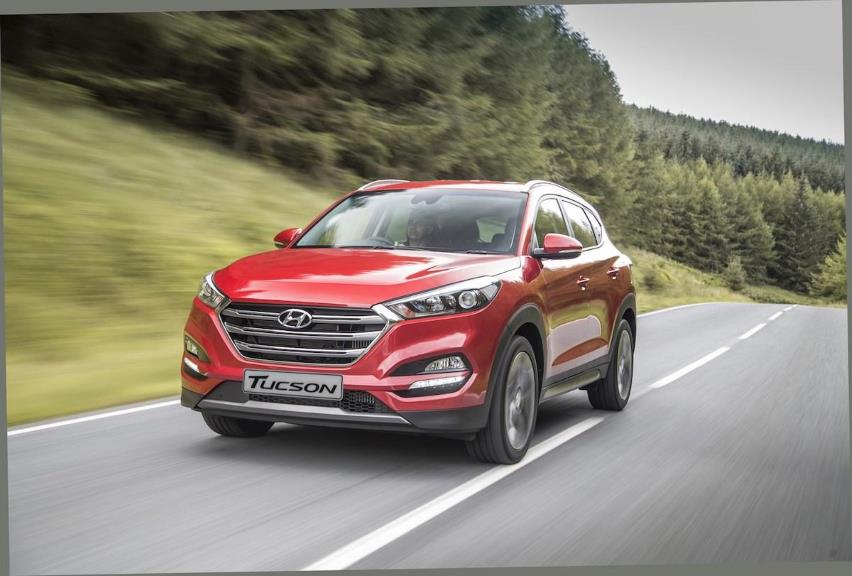
Verdict
The third-generation Hyundai Tucson is a solid, sensible family SUV that rewards careful buying but punishes those who choose the wrong variant. It's not a brilliant car, but it's far from terrible – provided you know what to avoid.
Buy it if:
You choose a diesel or 2.0 petrol with a conventional automatic
You prioritise warranty coverage and value over badge prestige
You need practical, spacious family transport
You do moderate to high annual mileage (diesels excel here)
You can verify the full service history and recall completion
Avoid it if:
You're considering the 1.6 Turbo with DCT
You can't confirm recalls have been completed
You want low-maintenance ownership (German rivals age better)
You prioritise driving dynamics over practicality
You're buying blind without inspection
Final Score: 8/10
The 2016 Tucson is a smart buy for the South African market. It’s safer and more modern than a Renault Duster, but significantly cheaper to maintain than a BMW X1 or Audi Q3 of the same age. Stick to the Diesel Executive, and you’ll likely have a happy ownership experience.