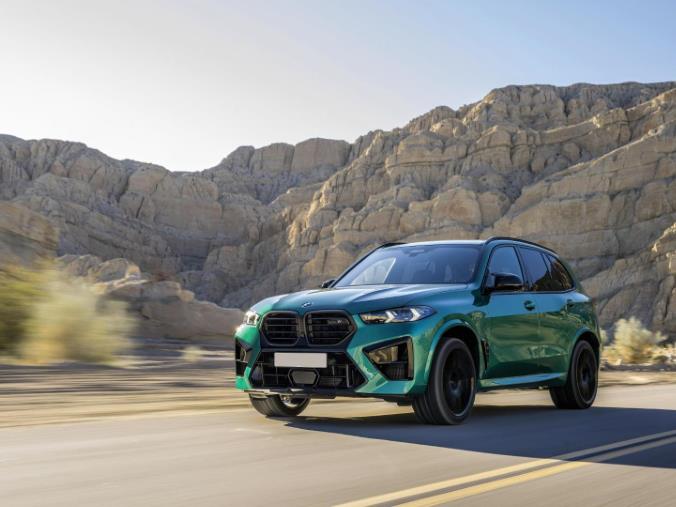
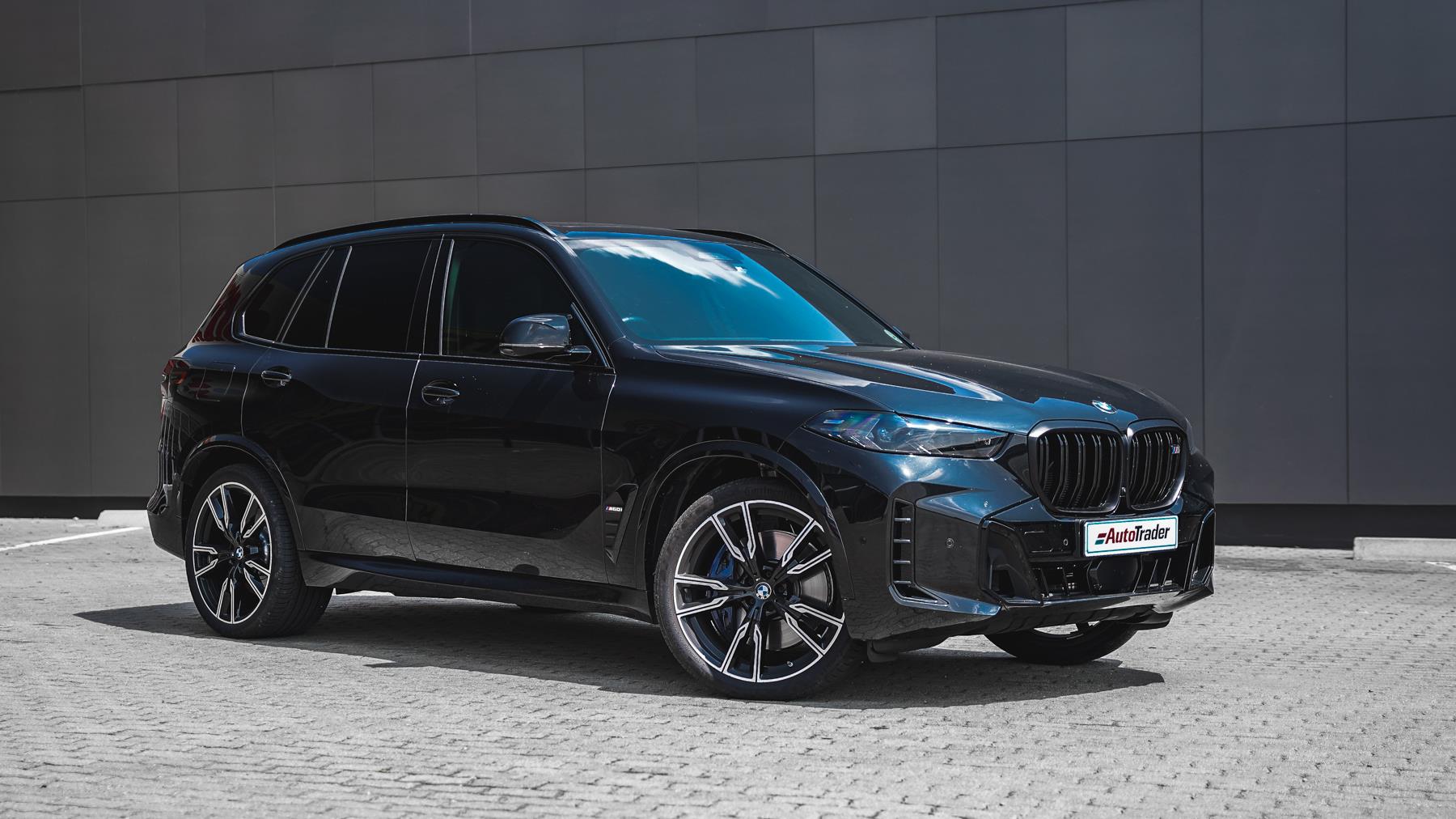
BMW X5 Buyer's Guide (2019-2026)
While the BMW X3 is locally produced and one of the more popular models for the German automaker, the X5 offers more space and performance. But are there things you should look out for before buying a used example? Find out what those items are here.


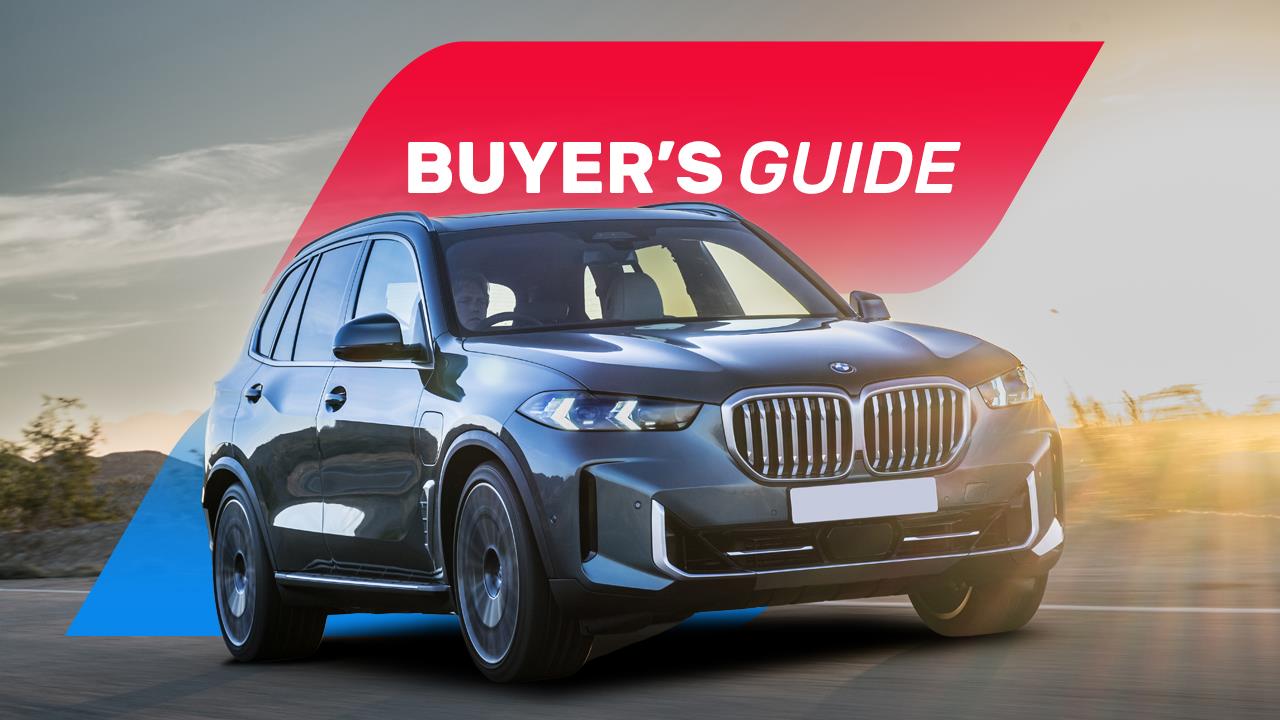
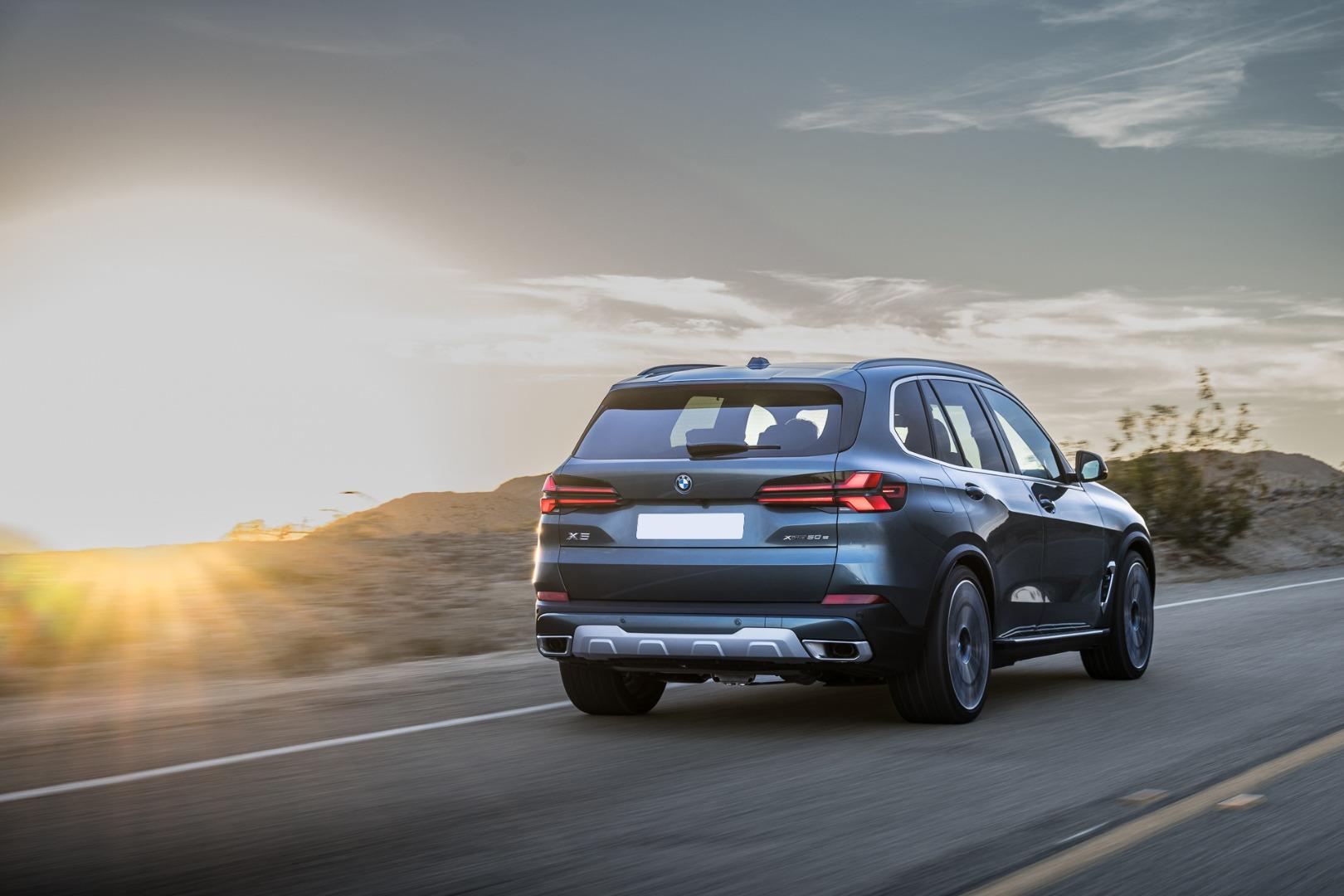
Is the BMW X5 on your list of considerations for your next car? Perhaps you're a family buyer seeking luxury and space, a performance enthusiast eyeing the M variants, or someone looking for a sophisticated plug-in hybrid SUV; this guide breaks down everything you need to know about the BMW X5 in South Africa.
BMW X5 (G05) model line-up and special editions
The G05 represents the fourth-generation X5, launched globally in 2019 and introduced to South Africa shortly after. BMW updated the range with a Life Cycle Impulse (LCI) facelift in 2024.
Pre-LCI Models (2019–2023)
X5 xDrive30d
- The volume seller in South Africa with a 3.0-litre turbodiesel inline-6 engine.
- 195 kW and 620 Nm.
- Exceptional fuel efficiency and torque for towing.
- Available in standard, M Sport, and xLine trim levels.
X5 xDrive40i
- Petrol alternative with a 3.0-litre turbocharged inline-6.
- 250 kW and 450 Nm.
- Smoother and quieter than the diesel, but with higher fuel consumption.
- Popular in M Sport specification.
X5 xDrive45e (Plug-in Hybrid)
- Combines a 3.0-litre petrol engine with an electric motor.
- 290 kW combined system output.
- Limited electric-only range of approximately 50–60 km in real-world conditions.
- Good for buyers with home charging and predominantly urban driving.
X5 M50i
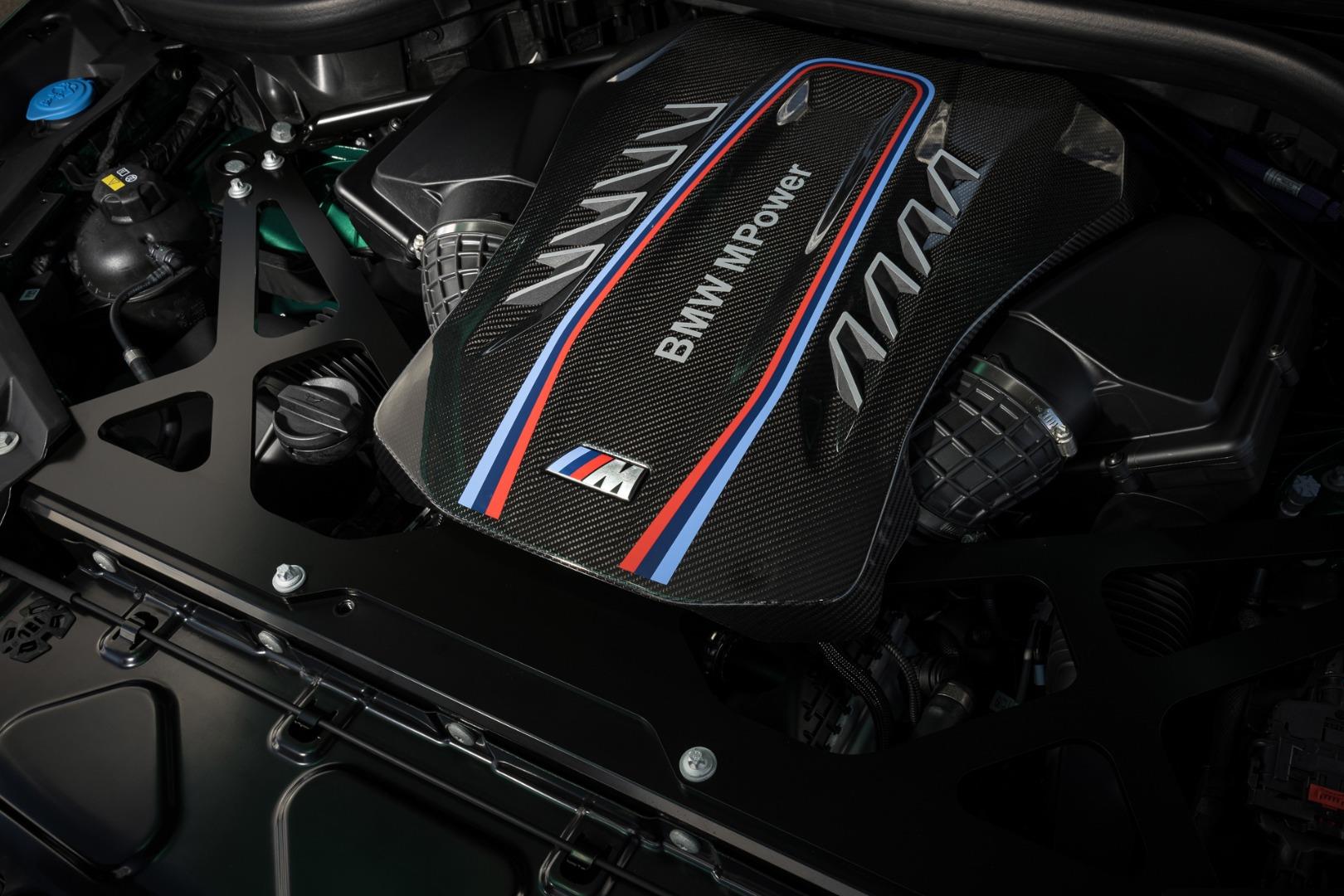
- M Performance variant with a 4.4-litre twin-turbo V8 petrol engine.
- 390 kW and 750 Nm.
- 0–100 km/h in 4.3 seconds.
- Significantly higher running costs than inline-6 models.
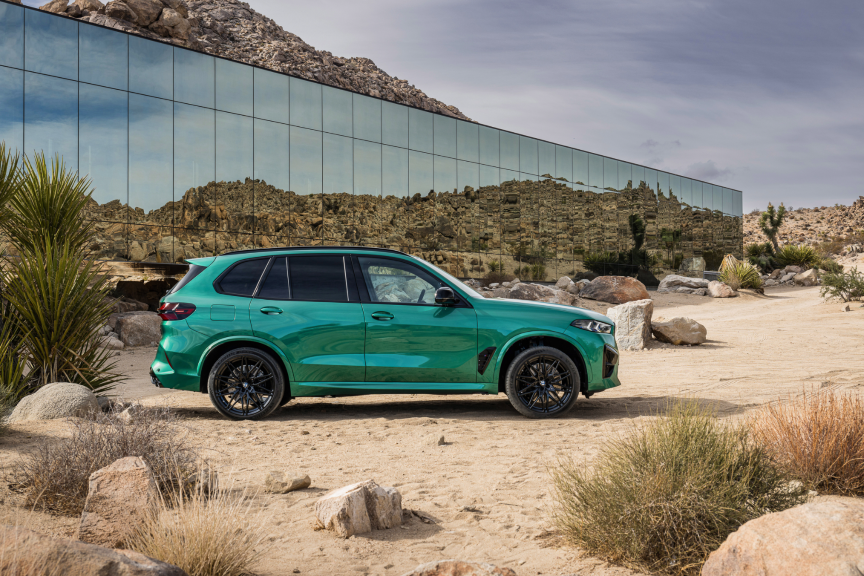
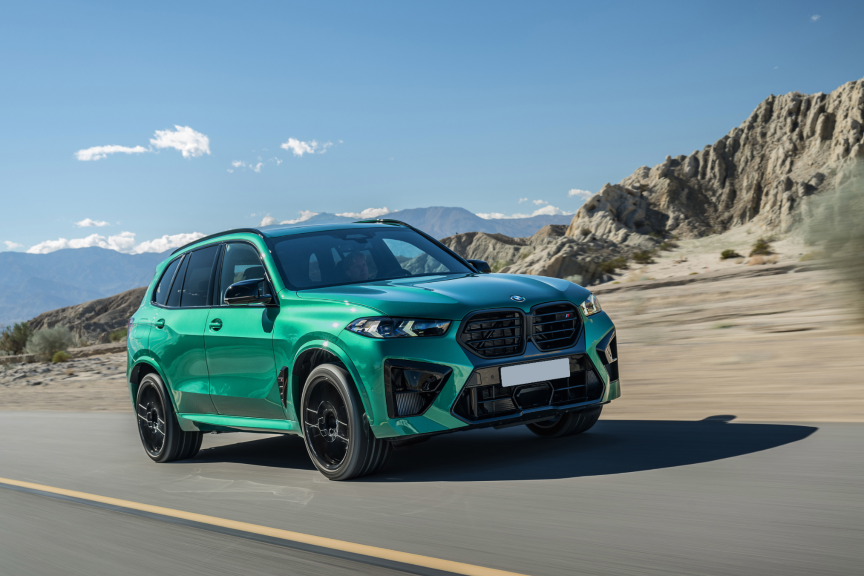
X5 M Competition
- Full M Division variant.
- 460 kW and 750 Nm from the S63 V8 engine.
- Track-focused suspension and aggressive styling.
- 0–100 km/h in 3.9 seconds.
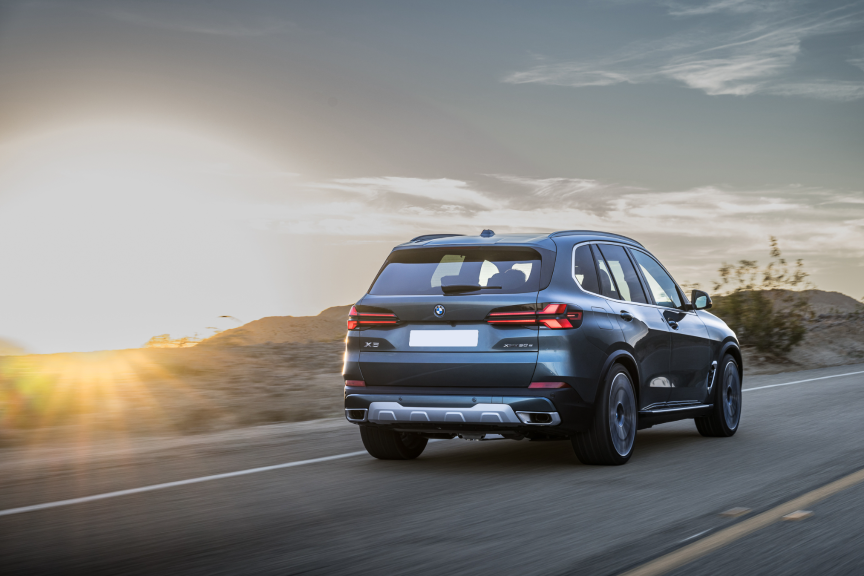
LCI Facelift (2024–present)
BMW updated the X5 range with the following changes:
Updated Infotainment
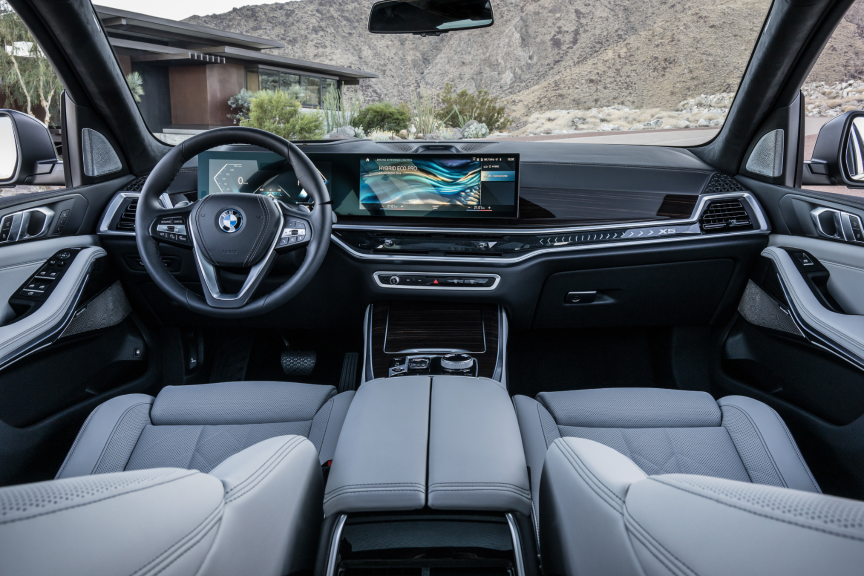
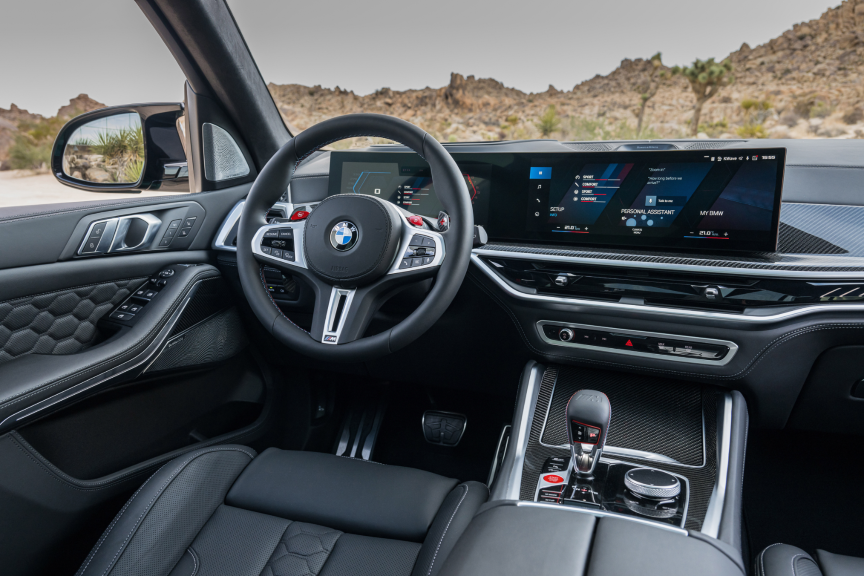
- BMW Curved Display with 12.3-inch driver display and 14.9-inch central screen.
- iDrive 8 operating system.
- Reduced physical button count in favour of digital controls.
Revised Styling
- Narrower headlights (35 mm slimmer) with arrow-shaped LED daytime running lights.
- Updated front and rear bumpers.
- Enhanced ambient lighting with 15 configurable colours.
Powertrain Updates
- Introduction of 48V mild-hybrid technology across the range (except PHEV).
- X5 xDrive30d: Power increased to 210 kW, torque to 650 Nm.
- X5 xDrive40i: Power increased to 280 kW, torque to 540 Nm.
- X5 xDrive50e (PHEV): System output increased to 360 kW and 700 Nm; battery capacity increased to 25.7 kWh for improved electric range (claimed 101 km WLTP).
- X5 M60i xDrive: New M Performance variant with 390 kW and 750 Nm.
- X5 M Competition: Updated to 460 kW and 750 Nm with 48V mild-hybrid.
South African LCI Line-up (2024–2026)
Model | Power | Torque | 0–100 km/h | Fuel Consumption (WLTP) |
X5 xDrive30d | 210 kW | 650 Nm | 7.6 s | 7.8 L/100 km |
X5 xDrive40i | 280 kW | 540 Nm | 5.4 s | 9.3 L/100 km |
X5 xDrive50e | 360 kW | 700 Nm | 4.8 s | 1.9 L/100 km* |
X5 M60i xDrive | 390 kW | 750 Nm | 4.3 s | 11.9 L/100 km |
X5 M Competition | 460 kW | 750 Nm | 3.9 s | 12.5 L/100 km |
*Plug-in hybrid combined figure; real-world consumption varies significantly based on charging habits, driving conditions and other environmental factors.
Engine & Drivetrain
3.0-litre Turbodiesel Inline-6 (B57)
Engine & Production Era: 2019–present (X5 xDrive30d)
Strengths
- Exceptional torque delivery (650 Nm on LCI models), ideal for towing and highway cruising
- Strong fuel economy: 7.8 L/100 km (WLTP) on LCI models; real-world around 8–10 L/100 km depending on driving style and conditions.
- Proven reliability when maintained properly.
- 48V mild-hybrid system on LCI models improves refinement and efficiency.
- Long service intervals reduce maintenance frequency.
Common Problems
- EGR and DPF issues: Diesel particulate filters can clog, especially with predominantly short-trip urban driving. Regular highway runs help regenerate the DPF.
- AdBlue system faults: Sensors and injectors can fail, leading to warning messages and, eventually, engine derating.
- Turbocharger wear: High-mileage examples (over 150,000 km) may show turbo wear, especially if service history is incomplete.
- Fuel system sensitivity: South African diesel quality varies; contaminated fuel can damage injectors. Always use reputable fuel stations.
- Coolant system leaks: Hoses, thermostats, and water pumps can develop leaks over time.
South African Note
Diesel fuel quality in South Africa is generally acceptable, but avoid filling at questionable stations. The 50ppm sulphur diesel is suitable for modern BMWs. Regular DPF regeneration is essential, which means occasional highway driving.
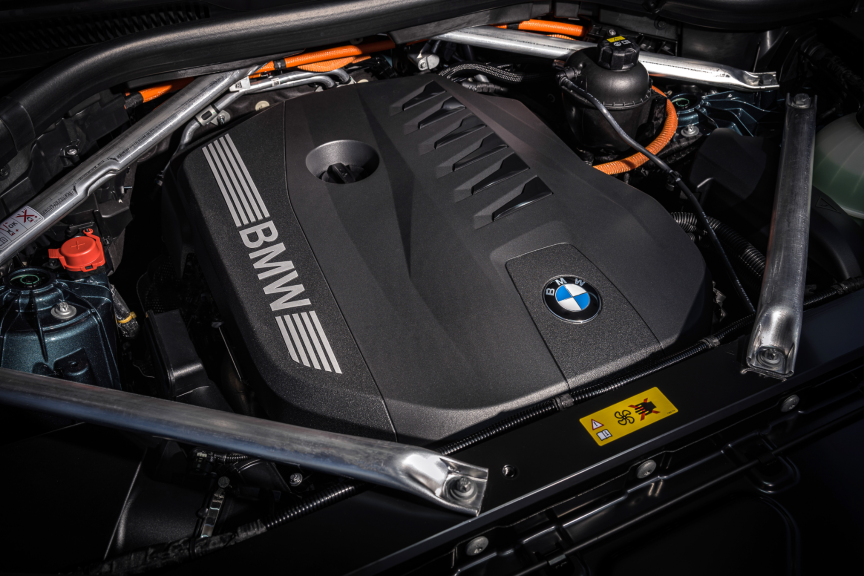
3.0-litre Twin-Turbo Petrol Inline-6 (B58)
Engine & Production Era: 2019–present (X5 xDrive40i, xDrive45e/xDrive50e PHEV)
Strengths
- One of BMW's most robust and well-engineered modern engines.
- Broad torque band makes it flexible and responsive in daily driving.
- Strong tuning potential for enthusiasts.
- Smoother and quieter than the diesel alternative.
- 48V mild-hybrid on LCI models improves low-speed response and efficiency.
- Well-suited to South African fuel (95 octane widely available).
Common Problems
- Oil consumption: Some owners report mild oil usage under spirited driving; regular monitoring is advised.
- Cooling system components: Water pumps, thermostats, and hoses can fail, especially in South African heat. Ensure the cooling system is serviced regularly.
- Carbon buildup on intake valves: Direct injection engines can develop carbon deposits over time, affecting performance. Walnut blasting may be required at higher mileages.
- VANOS solenoid faults: Variable valve timing solenoids can fail, causing rough idle and reduced performance.
- Turbocharger wastegate rattle: Some examples exhibit wastegate rattle on cold start, which may require turbocharger replacement.
South African Note
Use 95 octane fuel exclusively. The B58 is well-suited to SA conditions but requires regular cooling system maintenance due to our climate.
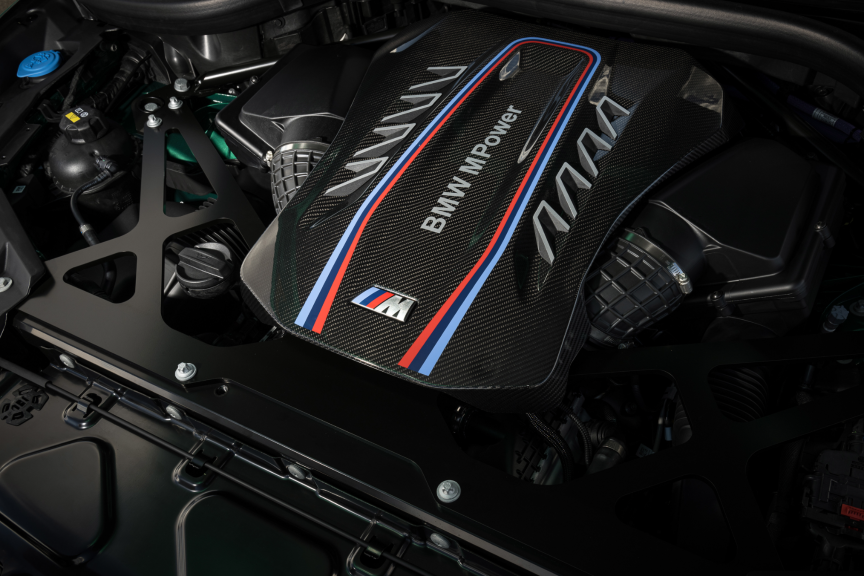
4.4-litre Twin-Turbo V8 (N63/S63)
Engine & production era: 2019–present (X5 M50i, X5 M Competition)
Strengths
- Exceptional performance: 0–100 km/h in under 4.5 seconds for M50i, 3.9 seconds for M Competition.
- Massive torque delivery (750 Nm) across a wide rev range.
- Thrilling exhaust note, especially in Sport Plus mode.
- 48V mild-hybrid on LCI models smooths out low-speed response.
Common problems
- High oil consumption: V8 engines are known for higher oil consumption; check levels regularly.
- Cooling system stress: High-performance V8s generate significant heat. Radiators, intercoolers, and water pumps must be in excellent condition.
- Turbocharger longevity: Hard-driven examples may show turbo wear earlier than inline-6 models.
- Fuel system sensitivity: V8s are more sensitive to fuel quality; always use 95 octane minimum.
- Engine mounts: Performance V8s can wear engine mounts faster due to torque and vibration.
- Timing chain issues (older N63): Pre-2019 N63 engines had timing chain problems, but G05 engines are the updated, more reliable variant.
South African note
Fuel consumption is high: expect 14–18 L/100 km in real-world driving. Premium fuel (minimum 95 octane) is essential. Heat management is critical in SA's climate.
Plug-in hybrid (PHEV) system – xDrive45e / xDrive50e
Engine & production era: 2019–present
Strengths
- Best of both worlds: electric driving for urban use, petrol engine for long distances.
- LCI xDrive50e offers 101 km WLTP electric range (real-world 70–85 km).
- Significantly lower fuel consumption if charged regularly.
- Instant torque delivery from the electric motor.
- Tax benefits in some instances, such as for company cars and potential fuel savings.
- Quiet, smooth operation in electric mode
Common problems
- Battery degradation: High-voltage batteries lose capacity over time, especially in hot climates. Check battery health on used examples.
- Charging system faults: Onboard chargers and charging ports can develop faults. Ensure the charging infrastructure is tested during inspection.
- Complex electronics: PHEVs have more electronic systems, increasing potential fault points.
- Real-world electric range: Significantly lower than WLTP claims, especially with air conditioning use.
- Weight penalty: PHEVs are heavier, affecting handling and tyre wear.
South African note
Home charging infrastructure is essential to realise fuel savings. Loadshedding can complicate charging schedules. Public charging infrastructure in SA is limited.
Driveline & suspension
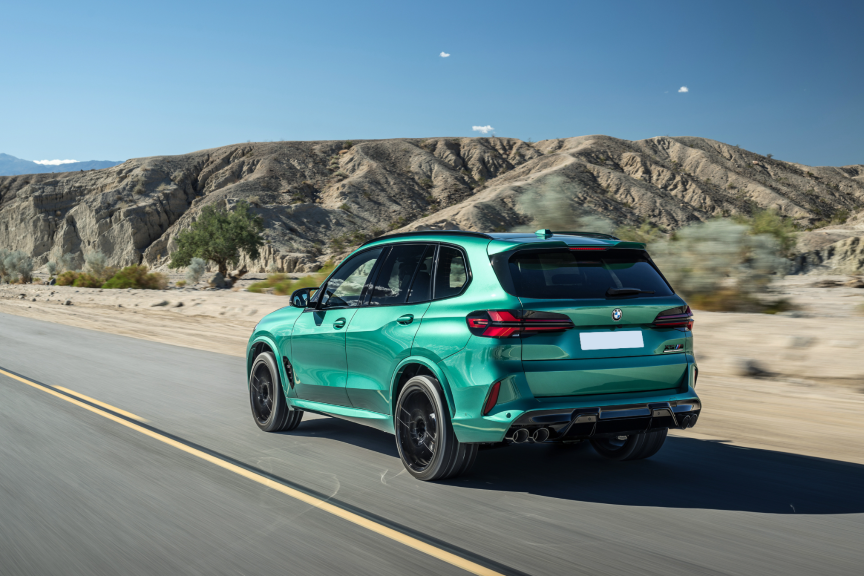
Strengths
- xDrive all-wheel-drive system provides excellent traction on varied SA road surfaces.
- Adaptive M suspension (optional or standard on M Sport models) offers a wide range from comfort to sporty handling.
- Air suspension (optional) provides superior ride comfort and adjustable ride height.
- Excellent body control for an SUV of this size.
- Strong braking performance, especially with optional M Sport brakes.
Common problems
- Air suspension failures: Air springs and compressors can fail, especially on high-mileage examples. Replacement is expensive.
- Suspension bushings: Wear over time, especially on poor road surfaces. Listen for knocking noises over bumps.
- Tyre wear: Aggressive alignment and heavy weight accelerate tyre wear. Premium tyres are expensive.
- Brake wear: Large, heavy SUVs wear brake pads and discs quickly. M Sport and M variants wear faster.
- Drive shaft and CV joint wear: High-mileage examples may develop CV joint noise or vibration.
South African note
SA's potholed roads can accelerate suspension wear. Air suspension is comfortable but expensive to repair. Standard steel springs are more durable for rough roads.
Exterior & interior
Strengths
- Commanding road presence with bold, modern styling.
- High-quality interior materials and build quality.
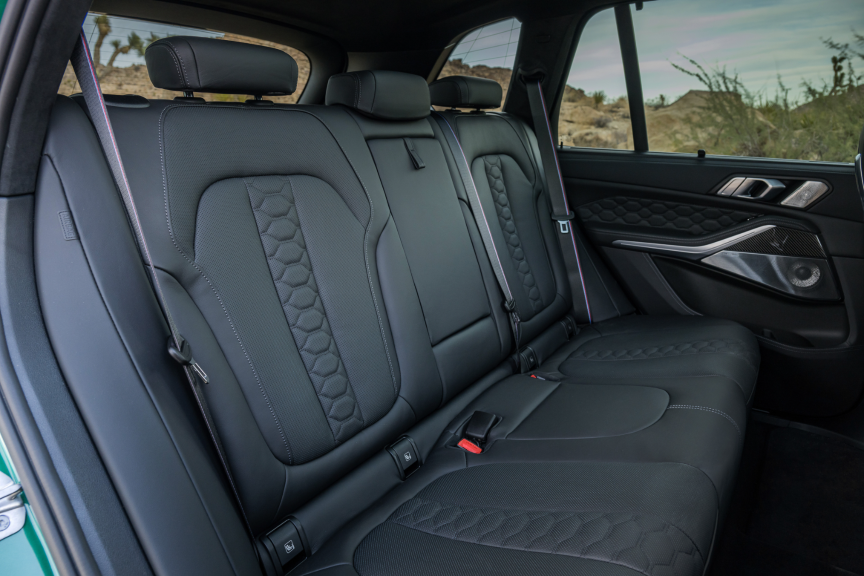
- Spacious cabin with excellent rear legroom and headroom.
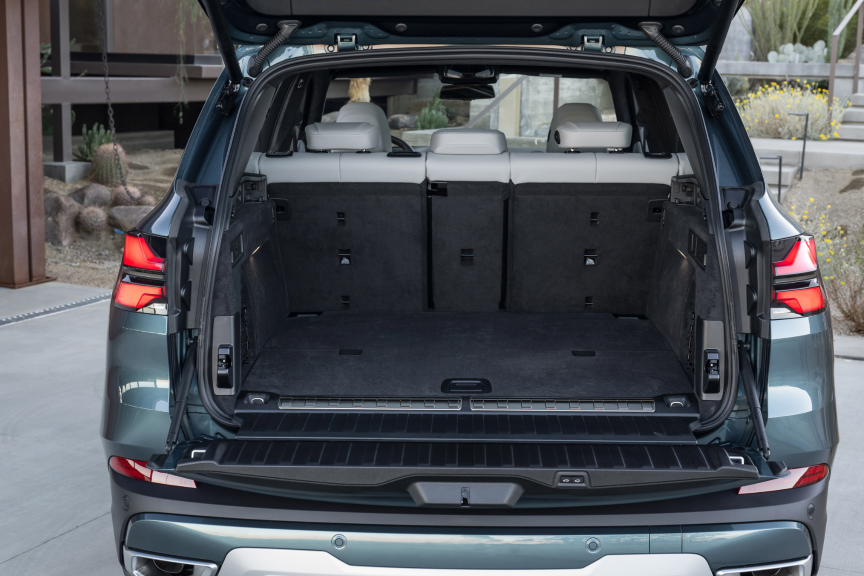
- Large boot capacity (650 litres, expanding to 1,870 litres with rear seats folded).
- Advanced infotainment with iDrive 7 (pre-LCI) or iDrive 8 (LCI).
- Panoramic sunroof (standard or optional, depending on spec).
- Excellent ergonomics and driving position.
Common problems
- Paint stone chips: SA roads are rough; front-end paint protection film is highly recommended.
- Infotainment glitches: iDrive systems can occasionally lag, freeze, or reboot. Software updates usually resolve issues.
- Interior wear: Leather seats can show wear on bolsters and the steering wheel, especially on high-mileage examples.
- Panoramic sunroof rattles: Some owners report rattles from the sunroof mechanism over rough roads.
- Trim creaks and rattles: Plastic trim pieces can develop squeaks over time, especially in hot weather.
- Sensor malfunctions: Parking sensors, cameras, and radar systems can fail or give false warnings.
South African note
Stone chips are inevitable on SA roads. Budget for paint protection film on the front end, bonnet, and mirrors. Interior materials hold up well in our climate.
Running costs (South Africa)
Owning a G05 X5 locally is a premium experience with corresponding costs. Below is a realistic breakdown:
Factor | X5 xDrive30d | X5 xDrive40i | X5 xDrive50e | X5 M60i / M Competition |
Real-world fuel economy | 8–10 L/100 km | 11–14 L/100 km | 2–6 L/100 km (with charging) / 10–13 L/100 km (no charging) | 14–18 L/100 km |
Service interval | 15 000 km or 12 months | 15 000 km or 12 months | 15 000 km or 12 months | 10 000 km or 12 months |
Insurance | High (high theft/value risk) | High (high theft/value risk) | High (high theft/value risk) | Very high (high theft/performance risk) |
**Parts availability** | Good via BMW SA dealers; limited aftermarket. | Good via BMW SA dealers; limited aftermarket. | Good via BMW SA dealers; PHEV parts are more specialised. | Good via BMW SA dealers; M parts are expensive. |
Additional cost considerations
- Motorplan coverage: New BMW X5s come with a 5-year/100 000 km Motorplan (extendable to 7 years/200 000 km), covering all scheduled maintenance except tyres and fuel.
- Battery replacement (PHEV): High-voltage battery replacement can cost a lot out of warranty. Check battery health carefully on used PHEVs.
Cost of ownership verdict
High but predictable if maintained properly. Diesel models offer the best fuel economy and lower running costs. The V8 models are significantly more expensive to run, and the PHEVs require charging discipline to realise savings.
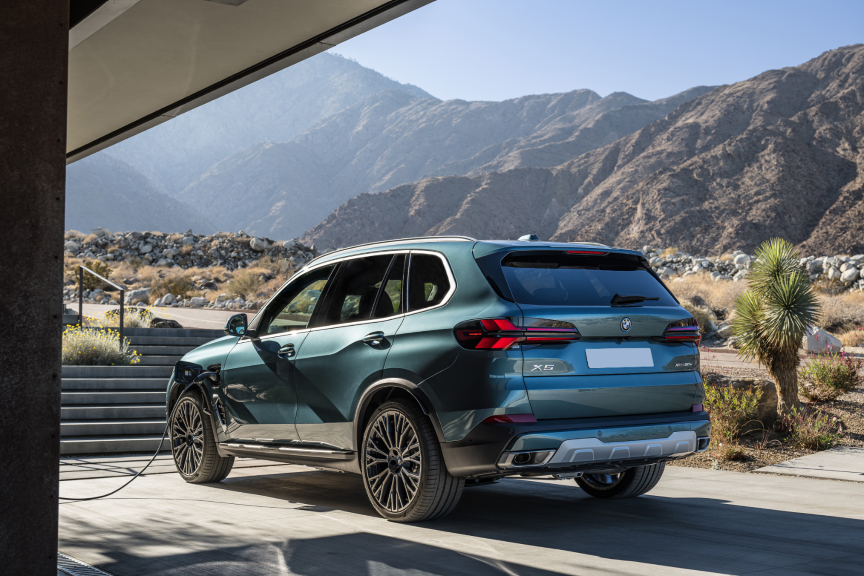
Reliability of the BMW X5
The G05 X5 is generally regarded as one of the more reliable modern BMW SUVs, significantly better than the previous F15 generation. However, reliability is heavily dependent on maintenance quality and driving conditions.
Overall reliability assessment
Strong Points:
- B57 diesel and B58 petrol inline-6 engines are robust and well-proven.
- The xDrive all-wheel-drive system is reliable.
- Build quality is excellent.
- Fewer widespread catastrophic failures compared to older X5 generations.
Weak points:
- Complex electronics increase potential fault points.
- Air suspension can be problematic and expensive to repair.
- PHEV models add complexity with high-voltage battery and charging systems.
- V8 engines require meticulous maintenance and are more prone to issues.
Manufacturer recalls (BMW X5 G05)
BMW has issued several recalls in different countries for the G05 X5. While not all of the recalls listed below affect South African examples, they could be areas to look for during pre-purchase inspections. We also recommend buyers check whether recalls have been addressed on any of the used examples they are considering:
Recall 25V556 (2025): Windshield sealing/water ingress
- Affected vehicles: 2026 BMW X5 (built Aug 5–20, 2025).
- Issue: Water could enter the interior at the A-pillar due to a change in the windshield bonding material property.
- Risk: Water ingress could contact the power distribution box and the electronic control unit.
- Remedy: Windshield re-sealing or replacement.
Recall 24V-104 (2024): Integrated Brake (IB) module malfunction
- Affected vehicles: Certain 2023–2025 BMW X5.
- Issue: IB module may not function according to specifications.
- Risk: Reduction in power brake assist, extended stopping distance, loss of ABS/DSC function.
- Remedy: IB module replacement (free at BMW centres).
Recall 24V-576 / 25V-644 (2024–2025): Engine starter overheat / fire risk
- Affected vehicles: Various 2019–2025 BMW X5.
- Issue: Engine starter may overheat during repeated starting attempts; in extreme cases (with oil contamination), it could lead to a thermal event/fire.
- Risk: Fire risk if the starter overheats.
- Remedy: Software update to prevent starter overload, or starter replacement with redesigned unit.
Service Action S68T (2024–2025): Upper oil pan screws torque error
- Affected vehicles: G05 X5 built April 2024–March 2025
- Issue: Upper oil pan screws may not have been torqued correctly due to an assembly error.
- Risk: Oil leak.
- Remedy: Remove/replace/torque upper oil pan screws; replace engine oil and filter.
Service Action SIB 33 03 25 (2025): Right rear output shaft (half-shaft) manufacturing defect
- Affected vehicles: Certain G05 X5
- Issue: The right rear output shaft may not have been manufactured correctly and may break.
- Risk: Significant noises in the rear axle area; reduced driving performance.
- Remedy: Replace the right rear output shaft.
South African reliability factors
- Heat: SA's climate stresses cooling systems. Regular coolant system maintenance is critical.
- Fuel quality: Use reputable fuel stations only. Contaminated diesel can damage injectors; poor-quality petrol can cause knock and engine damage.
- Road conditions: Potholes and rough roads accelerate suspension and tyre wear.
- Service quality: Stick to BMW dealers or reputable specialists with BMW-specific diagnostic tools.
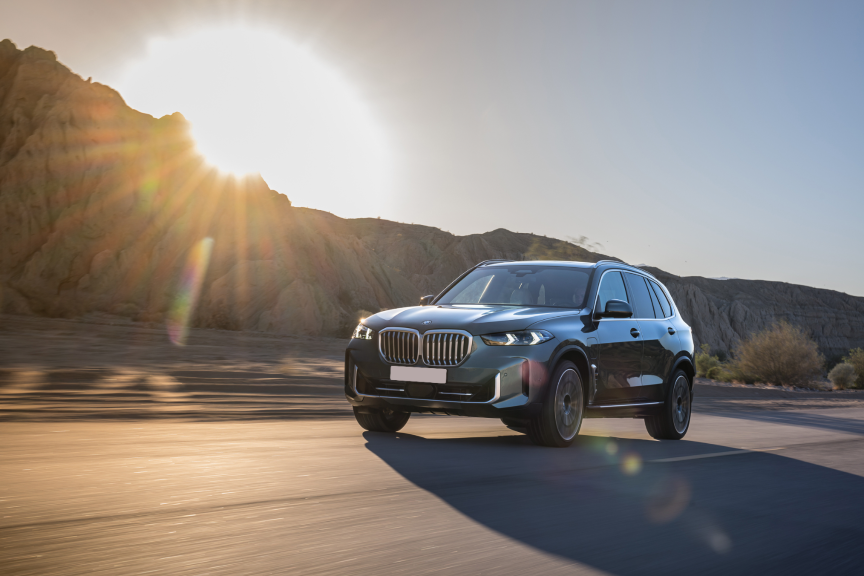
General car buying advice
Critical checks before purchase
Service history
- Full BMW dealer or reputable specialist service history is non-negotiable.
- Ensure all recalls and service actions have been completed.
- Check that services were completed on time (15,000 km or 12 months, whichever comes first).
- Verify Motorplan coverage status on newer examples.
Mileage and condition
- Avoid high-mileage examples (over 120,000 km) unless service history is impeccable.
- Check for uneven tyre wear, which may indicate suspension or alignment issues.
- Inspect air suspension thoroughly (if fitted); budget for replacement if uncertain.
Modifications
- Avoid heavily modified examples, especially engine tuning, which can stress components and void warranties.
- Aftermarket exhaust systems and suspension can affect reliability.
PHEV-specific checks
- Battery health is critical; request a BMW diagnostic report showing battery capacity.
- Test charging functionality with both AC home charging and public chargers.
- Verify electric range in real-world conditions (should achieve 60–80 km minimum).
- Check for software updates and battery warranty status.
VIN check
- Run a VIN check through BMW South Africa to verify:
- Outstanding recalls
- Service history
- Accident history
- Finance/theft status
Insurance
- Get an insurance quote before committing to purchase; X5 premiums are high due to theft risk and high replacement costs.
- The M variants and PHEVs attract even higher premiums due to performance increase and higher replacement costs.
Warranty and extended coverage
- If possible, buy within BMW's Motorplan period (5 years/100,000 km from new).
- Consider extended warranty for older or higher-mileage examples.
- Ensure battery warranty is intact on PHEV models (typically 6–8 years).
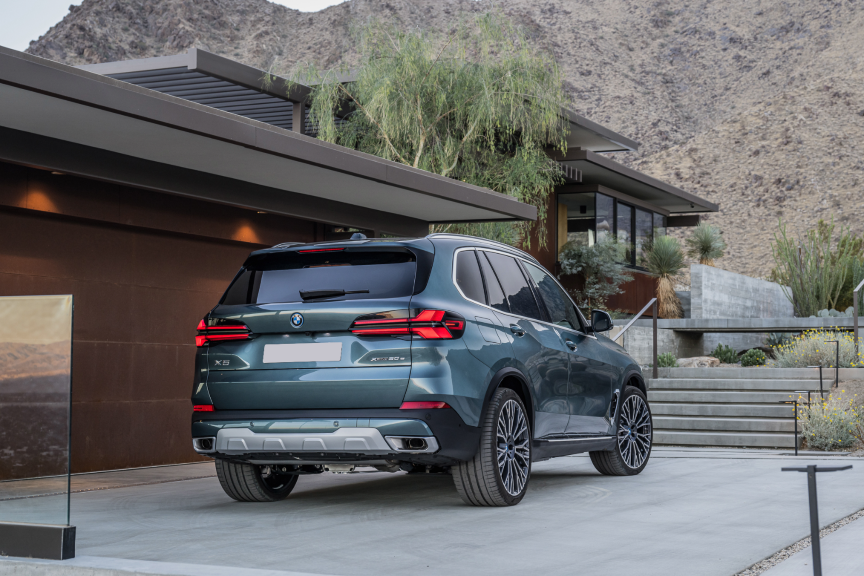
Test drive checklist
Critical Checkpoint | What to Do/Listen For |
Cold start | Listen for unusual rattles, smoke, or rough idle. Diesel should settle quickly; petrol should be smooth. |
Gearbox behaviour | Ensure smooth shifts in all modes (Comfort, Sport, Sport Plus). No hesitation or jerking. |
Steering feel | Should be direct and well-weighted. Check for vibration or pulling to one side. |
Suspension | Listen for knocking over bumps. Air suspension should self-level within 30 seconds of starting. |
Brakes | Check for vibration, squealing, or spongy pedal feel. Should stop confidently with minimal pedal effort. |
Electronics | Test infotainment, climate control, parking sensors, cameras, and all driver aids. Check for warning lights. |
PHEV charging (if applicable) | Plug in and verify charging starts. Check battery percentage and estimated range. |
Engine performance | Diesel should pull strongly from low revs. Petrol should be smooth and responsive. No hesitation or misfires. |
Exhaust smoke | No visible smoke on acceleration (petrol or diesel). Blue smoke indicates oil burning; black smoke indicates fueling issues. |
Climate control | Air conditioning should blow cold immediately. Heating should work effectively. |
Which BMW X5 Is For Me?
Buyer Profile | Recommended Model | Rationale |
Family buyer seeking economy | X5 xDrive30d (diesel) | Best fuel economy, strong torque for towing, lower running costs, proven reliability. |
Performance and refinement balance | X5 xDrive40i (petrol) | Smooth, powerful, well-suited to SA fuel, less complexity than PHEV, lower costs than V8. |
Eco-conscious with home charging | X5 xDrive50e (PHEV) | Best for urban driving with regular charging; lower fuel costs with daily charging; smooth electric driving. |
Performance enthusiast | X5 M60i xDrive | Superb performance without the extreme running costs and track-focused harshness of the M Competition. |
Ultimate performance | X5 M Competition | Fastest, most capable, most exclusive; for buyers who prioritise performance over running costs. |
How much should I pay in South Africa?
Based on the current used vehicle market trends (May 2026):
2025–2026 BMW X5 (LCI, low mileage <20,000 km)
- X5 xDrive30d M Sport: R1,700,000 – R1,950,000
- X5 xDrive40i M Sport: R1,700,000 – R1,900,000
- X5 xDrive50e M Sport: R1,850,000 – R2,100,000
- X5 M60i xDrive: R2,000,000 – R2,300,000
- X5 M Competition: R2,400,000 – R2,800,000
2023–2024 BMW X5 (Pre-LCI or early LCI, 20,000–40,000 km)
- X5 xDrive30d M Sport: R1,400,000 – R1,620,000
- X5 xDrive40i M Sport: R1,500,000 – R1,750,000
- X5 xDrive50e M Sport: R1,600,000 – R1,900,000
- X5 M50i: R1,800,000 – R2,100,000
- X5 M Competition: R2,100,000 – R2,500,000
2020–2022 BMW X5 (Pre-LCI, 40,000–80,000 km)
- X5 xDrive30d M Sport: R950,000 – R1,300,000
- X5 xDrive40i M Sport: R1,000,000 – R1,400,000
- X5 xDrive45e M Sport: R1,100,000 – R1,500,000
- X5 M50i: R1,300,000 – R1,700,000
2019–2020 BMW X5 (Early G05, 60,000–100,000 km)
- X5 xDrive30d M Sport: R750,000 – R1,000,000
- X5 xDrive40i M Sport: R800,000 – R1,100,000
- X5 M50i: R1,000,000 – R1,400,000
Pricing Notes
- Prices vary significantly based on mileage, specification (M Sport vs xLine vs M Sport Pro), optional extras (air suspension, panoramic roof, upgraded sound system), and condition.
- Full-service history adds 10–15% to value.
- PHEV models depreciate faster due to battery age concerns.
- M variants hold value better than standard models.
- Dealer retail prices are typically 10–20% higher than private sales.
Our Verdict: Which BMW X5 Should You Buy?
For most South African buyers, the sweet spot is the 2023–2024 BMW X5 xDrive30d M Sport (Pre-LCI or early LCI).
Why This One?
Best Balance of Cost and Capability
- Proven B57 diesel engine with excellent fuel economy (8–10 L/100 km real-world).
- Strong torque (650 Nm on LCI models) is ideal for towing and highway cruising.
- Lower running costs than petrol models.
- Good parts availability and strong dealer support.
- Still under Motorplan coverage if bought with low mileage.
Practical and Reliable
- xDrive all-wheel drive provides excellent traction on varied SA roads.
- M Sport specification offers the best styling and equipment without the running costs of M Performance models.
- Diesel fuel is widely available across SA.
- Less complex than PHEV models; fewer potential electronic faults.
Strong Resale Value
- Diesel X5s hold value well in SA due to strong demand.
- M Sport specification is highly desirable on the used market.
- Not too old to suffer from major depreciation, not too new to be overpriced.
Final Tip
Before considering a BMW X5 (G05) as your next car, research premium tyre prices and insurance costs. Make sure that the examples you are test driving to compare the condition all have had recalls completed and in place. Also, check if any remaining warranties and or motorplans are still in place. If you are buying from a non-franchise dealer, insist on full BMW dealer service history or a reputable specialist service history, and/or have an independent BMW specialist check the vehicle over. And most importantly, finding a clean, unmodified BMW X5 with full service history is far more valuable than chasing the cheapest deal.
*This Buyer's Guide was compiled in May 2026 using the most current available data from BMW South Africa, NHTSA recall databases, and South African used vehicle market listings. Prices, specifications, and availability are subject to change. Always verify current information with BMW South Africa and conduct thorough pre-purchase inspections.*