Rolls-Royce unveils Project Nightingale: A new era of coachbuilding
Project Nightingale is Rolls-Royce's most ambitious coachbuilt creation to date, blending the audacious experimental spirit of its 1920s heritage with cutting-edge electric technology, Art Deco-inspired design, and unmatched personalisation, offered to just 100 of the world's most discerning clients.

Rolls-Royce has a long and illustrious history with coachbuilding, but the exclusive British marque is embarking on creating even more of these exclusive models, and Project Nightingale is the starting point. If you are not quite sure what coachbuilt means, find the link below:
Related: What does coach-built mean?
But before we get into the details of this very exclusive Rolls-Royce project, remember that you can search for new or used Rolls-Royce models on AutoTrader here. Perhaps you want to sell your car? You can sell your car quickly and easily on our website here.
Rolls-Royce Project Nightingale
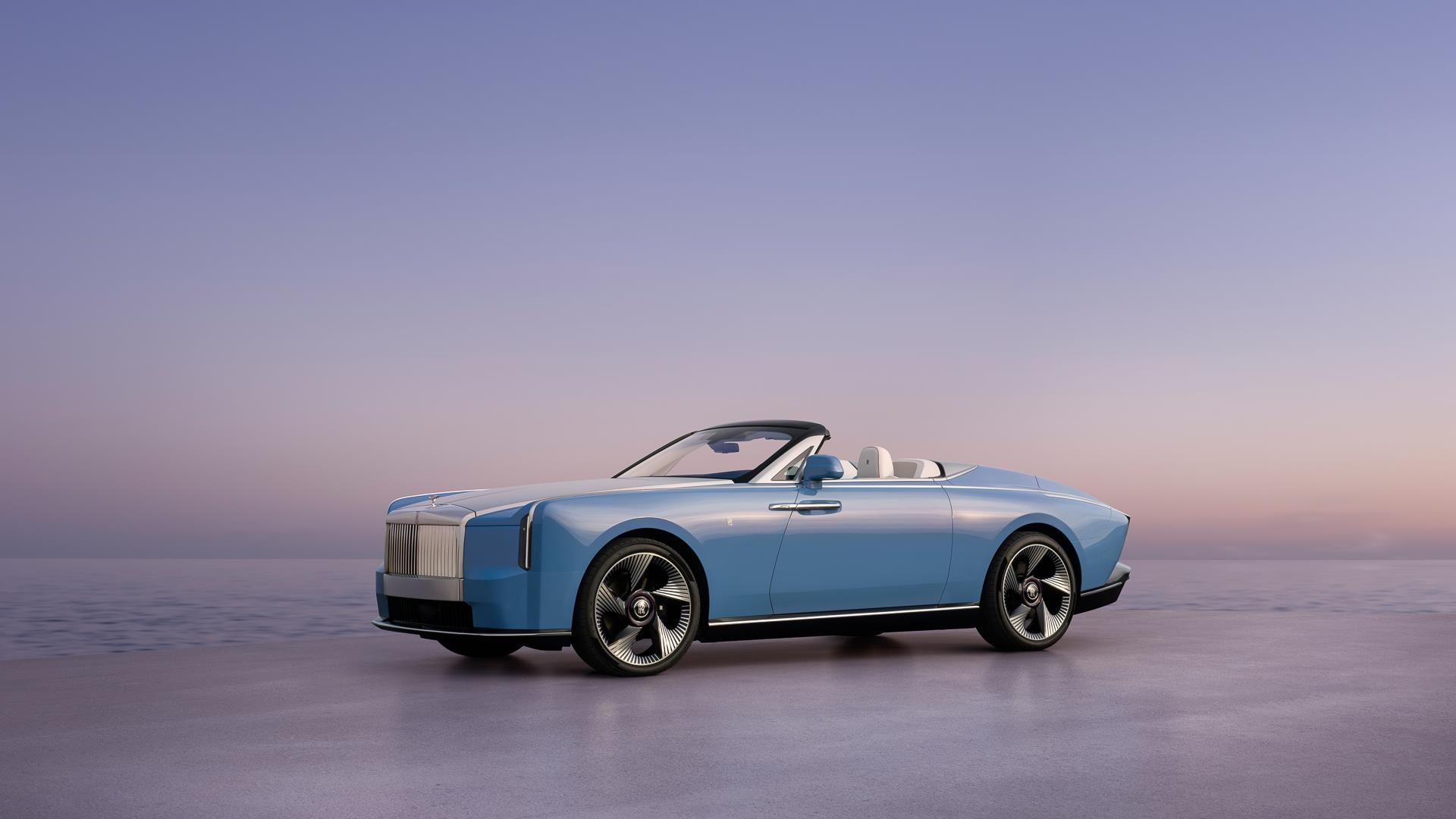
Rolls-Royce Motor Cars has revealed Project Nightingale, the inaugural entry in its new Coachbuild Collection, a strictly limited, fully electric, open-top two-seat motor car that represents one of the most ambitious undertakings in the marque's history. Limited to just 100 hand-built examples, each crafted at the Home of Rolls-Royce in Goodwood, Project Nightingale signals a significant shift in how the British marque approaches its most exclusive tier of production.
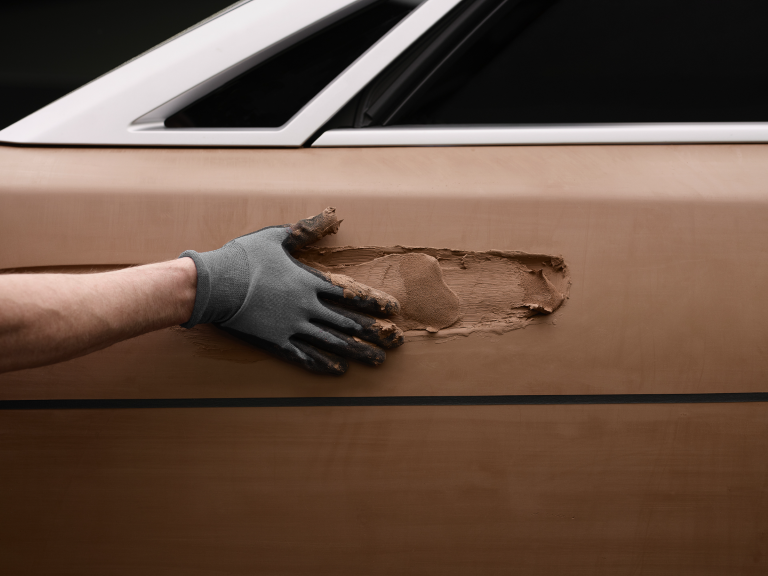
The Design
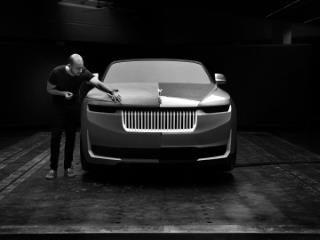
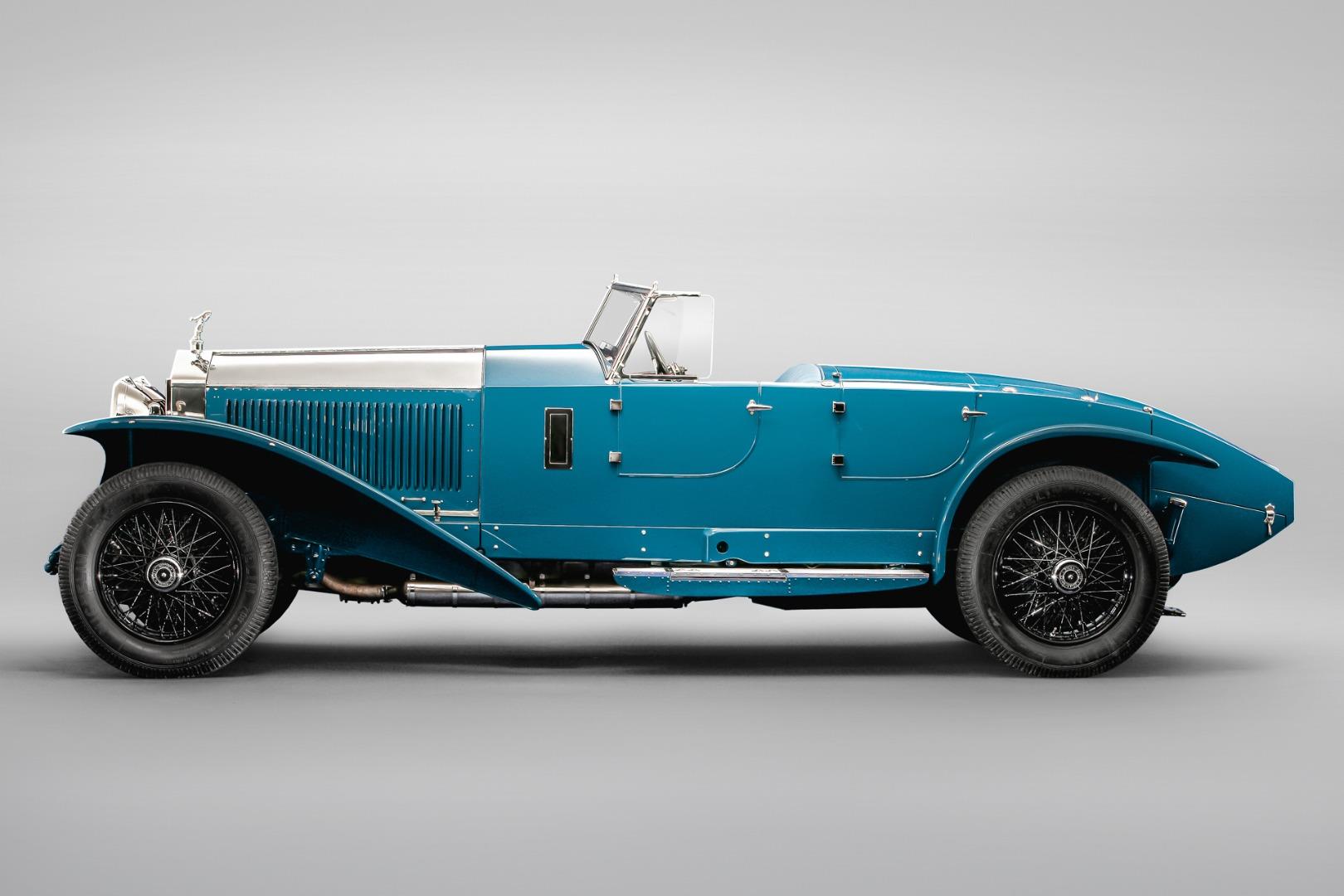
The design of Project Nightingale draws its creative foundations from two sources: the Streamline Moderne aesthetic of the late Art Deco era, and Rolls-Royce's own experimental 'EX' motor cars of the 1920s, most notably 16EX and 17EX, torpedo-shaped aluminium-bodied prototypes built in 1928 to push the marque's top speed beyond 90 mph.
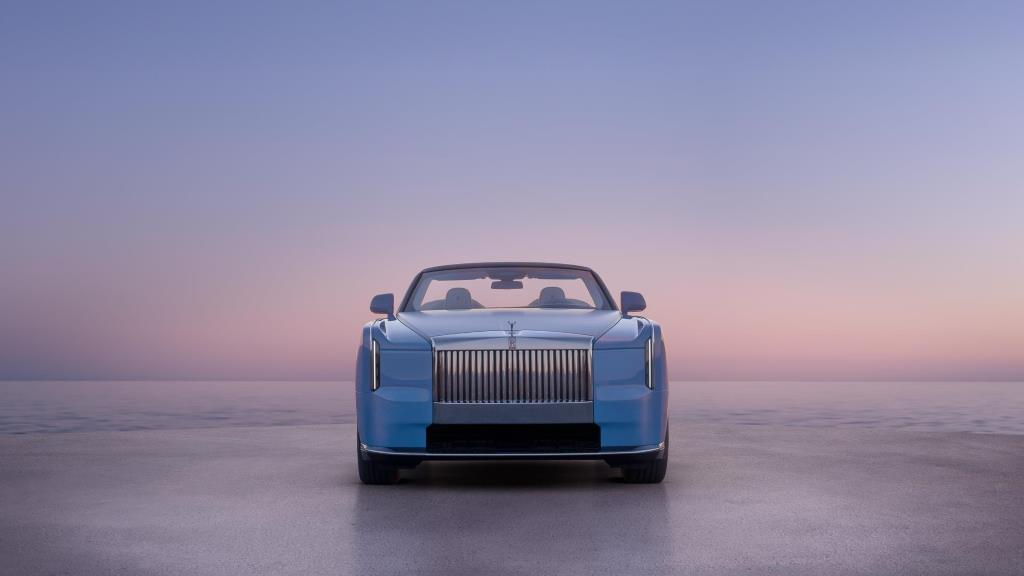
Project Nightingale adopts their core characteristics by means of a long bonnet, low windscreen, and enveloping two-seat cabin and reinterprets them through a contemporary lens. Three design principles underpin the exterior: first, 'Upright to Flowing,' describing the Pantheon Grille's vertical authority giving way to a graceful rear. The 'Central Fuselage', a single unbroken hull line running the full length of the motor car, was inspired by the divide between a yacht's hull and superstructure and last but not least, 'Flying Wings', sculptural volumes that draw the eye toward the rear of the car.
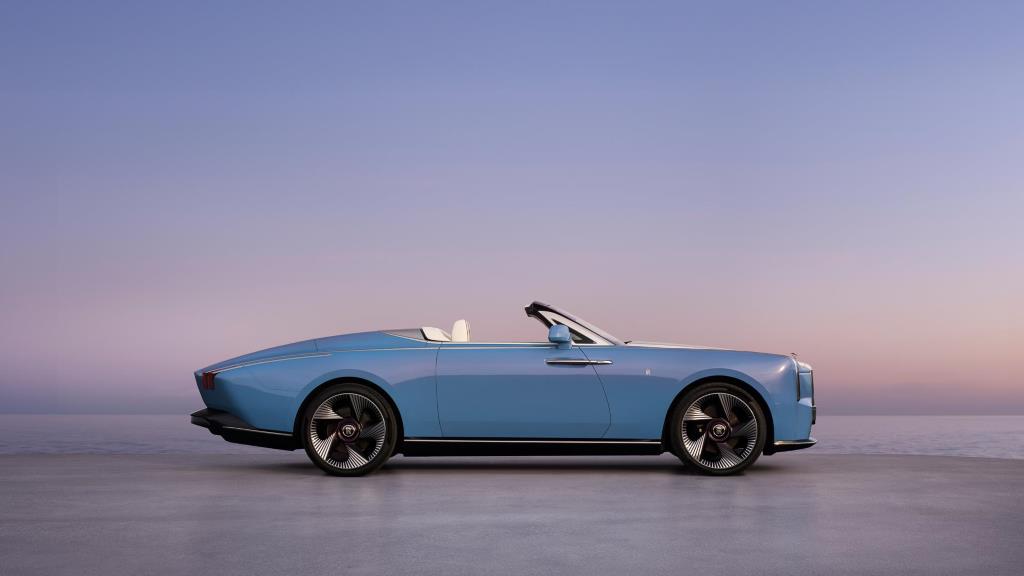
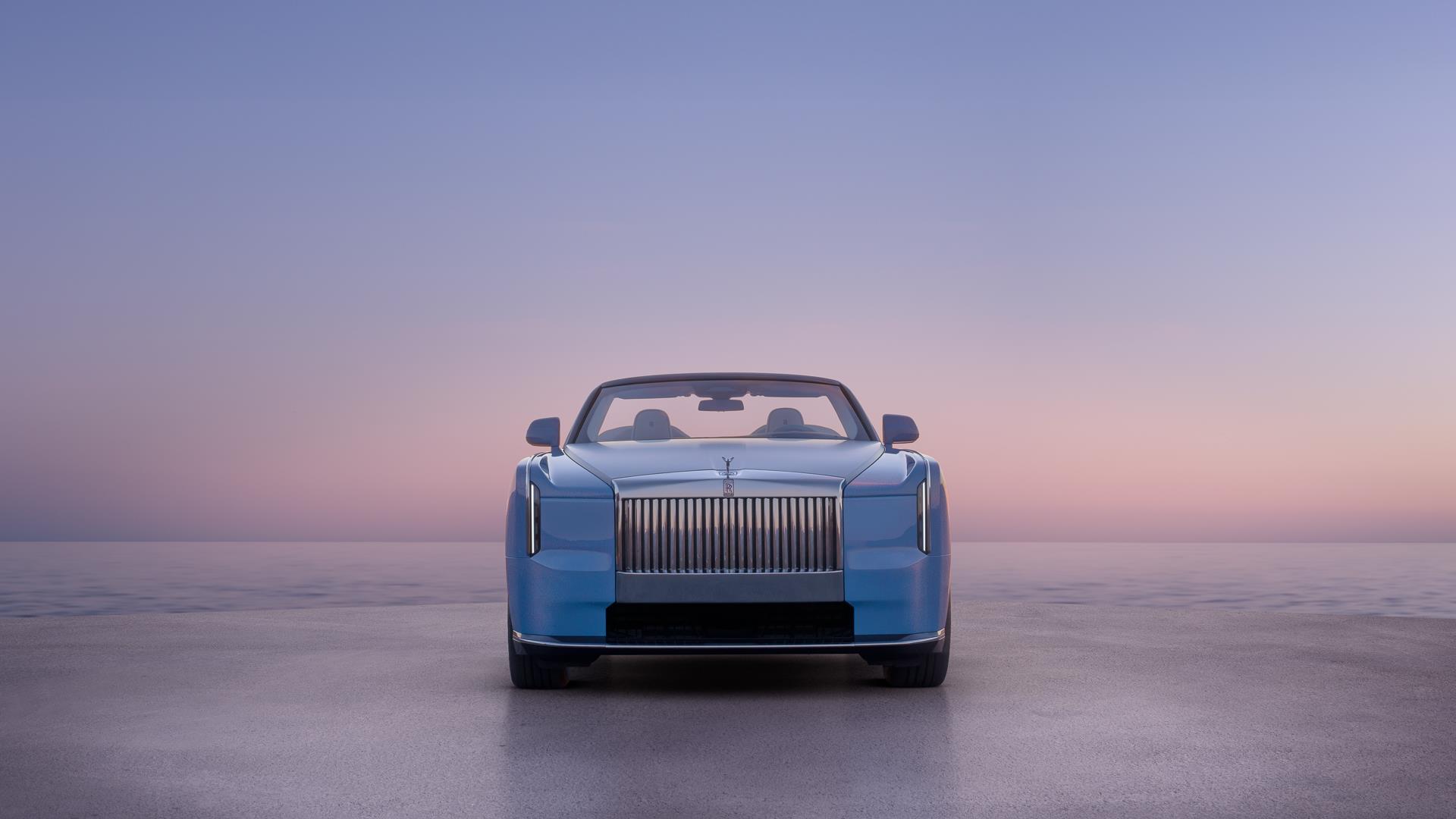
At 5.76 metres in length, Project Nightingale is comparable to the flagship Phantom saloon. Like the EX models it draws inspiration from, the model's proportions are commanding and yet its design is focused entirely on a two-seat convertible layout. The near-metre-wide Pantheon Grille looks like it is made from a single piece of stainless steel, while the Spirit of Ecstasy figurine dissolves seamlessly into the bonnet above it.
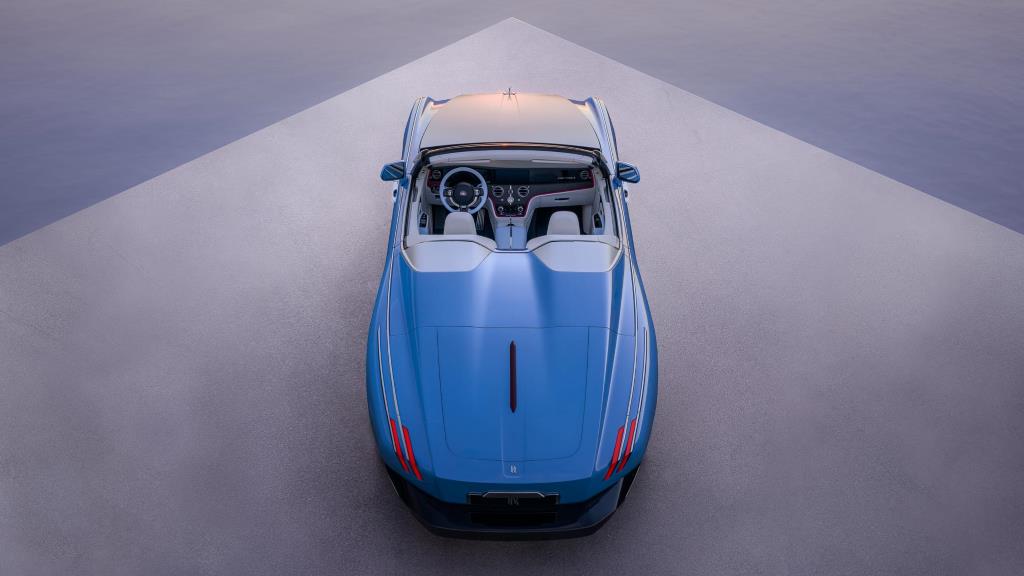
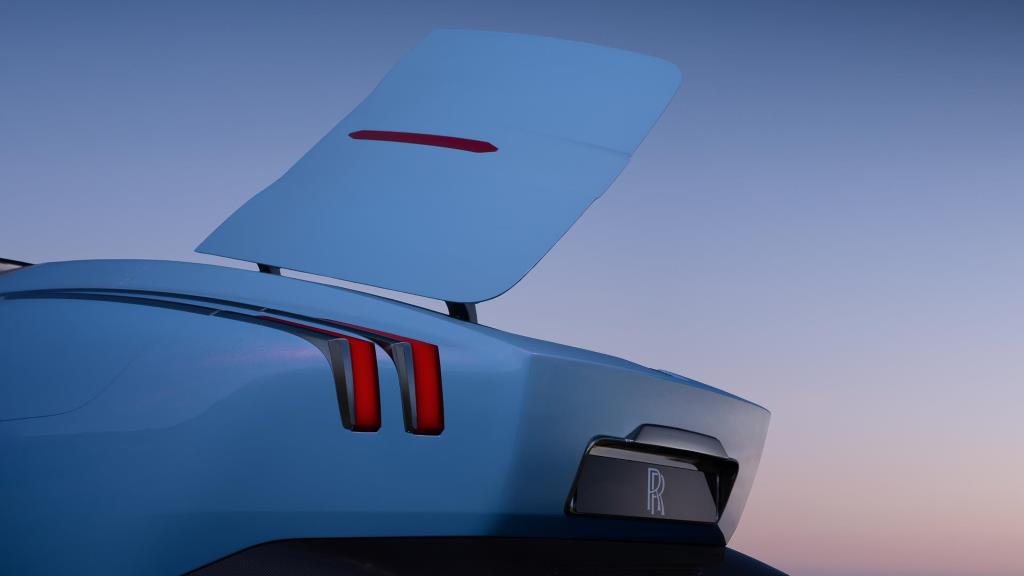
Slender, vertically orientated headlamps sit at the far ends of the front facia and are connected by polished stainless-steel bands that trace the full length of the car. At the rear, a laterally opening Piano Boot and a single centreline brake lamp drawn from Streamline Moderne speed-stripe motifs complete the rear.
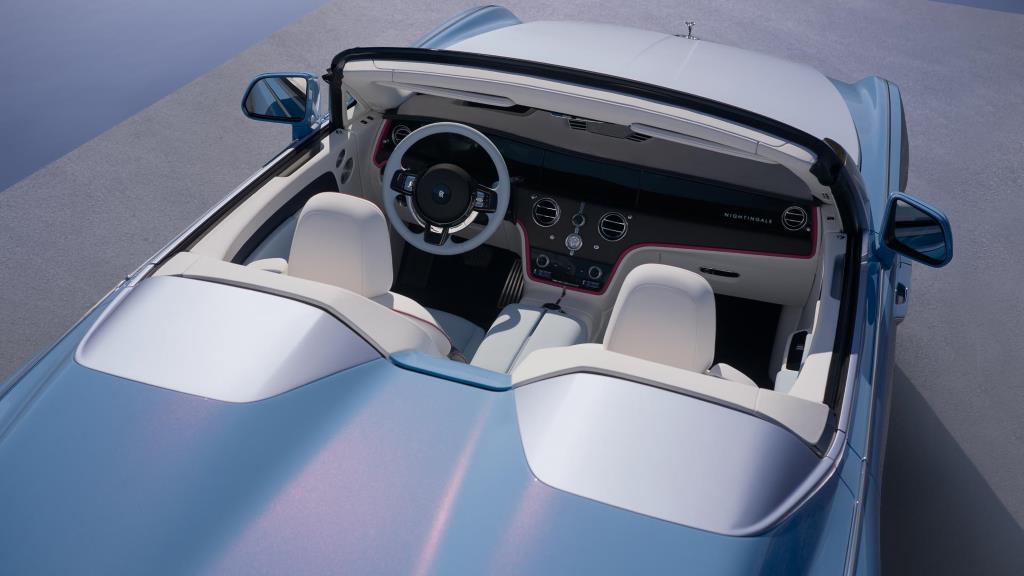
Inside, the Starlight Breeze suite adds 10,500 ambient light points arranged in a pattern derived from analysed nightingale birdsong waveforms that envelop occupants. Jewel-finished rotary controls, billet-machined aluminium cupholders, and an automatically retracting armrest reflect a level of craft consistent with the car's positioning in the automotive market.
Project Nightingale is powered by Rolls-Royce's fully electric drivetrain, which the company says is integral rather than incidental to the concept. Because there is no internal combustion engine, the front doesn't have any cooling intakes, which allowed the designers to add more surface to the front flanking the grille. At the rear, the lack of exhaust pipework enables a full-width carbon fibre Aero Afterdeck diffuser that provides high-speed stability without a conventional spoiler.
The Drivetrain
Rolls-Royce only states that the Nightingale project utilises its fully electric drivetrain, purely because it produces nearly no mechanical noise, leaving the occupants with the ambient sounds of their surroundings. While the British marque didn't share much detail about the drivetrain, we can assume it will be a similar concept to the one used in the Spectre.
The Rolls-Royce Spectre utilises a dual-motor all-wheel-drive configuration in combination with a 102 kWh battery. It produces 430 kW and 900 Nm of torque for the opulent coupe and should do well within the Nightingale Project concept, too.
Price
Pricing for one of the 100 units, which will be hand-built for their respective owners, will most likely be available only to those owners, at least closer to the time of the first deliveries, scheduled to take place from 2028. Each of the 100 commissions will likely also have individual pricing, as examples will be configured in consultation with their clients using a colour and materials palette developed exclusively for this collection. But then again, "If you have to ask how much it costs, you can't afford it" - J.P. Morgan, American financier.
Access is by invitation only, extended to clients the marque describes as deeply connected to Rolls-Royce design. Those accepted are enrolled in a multi-year programme of curated events and private gatherings, allowing them to engage directly with the creative and engineering development of their individual motor car.