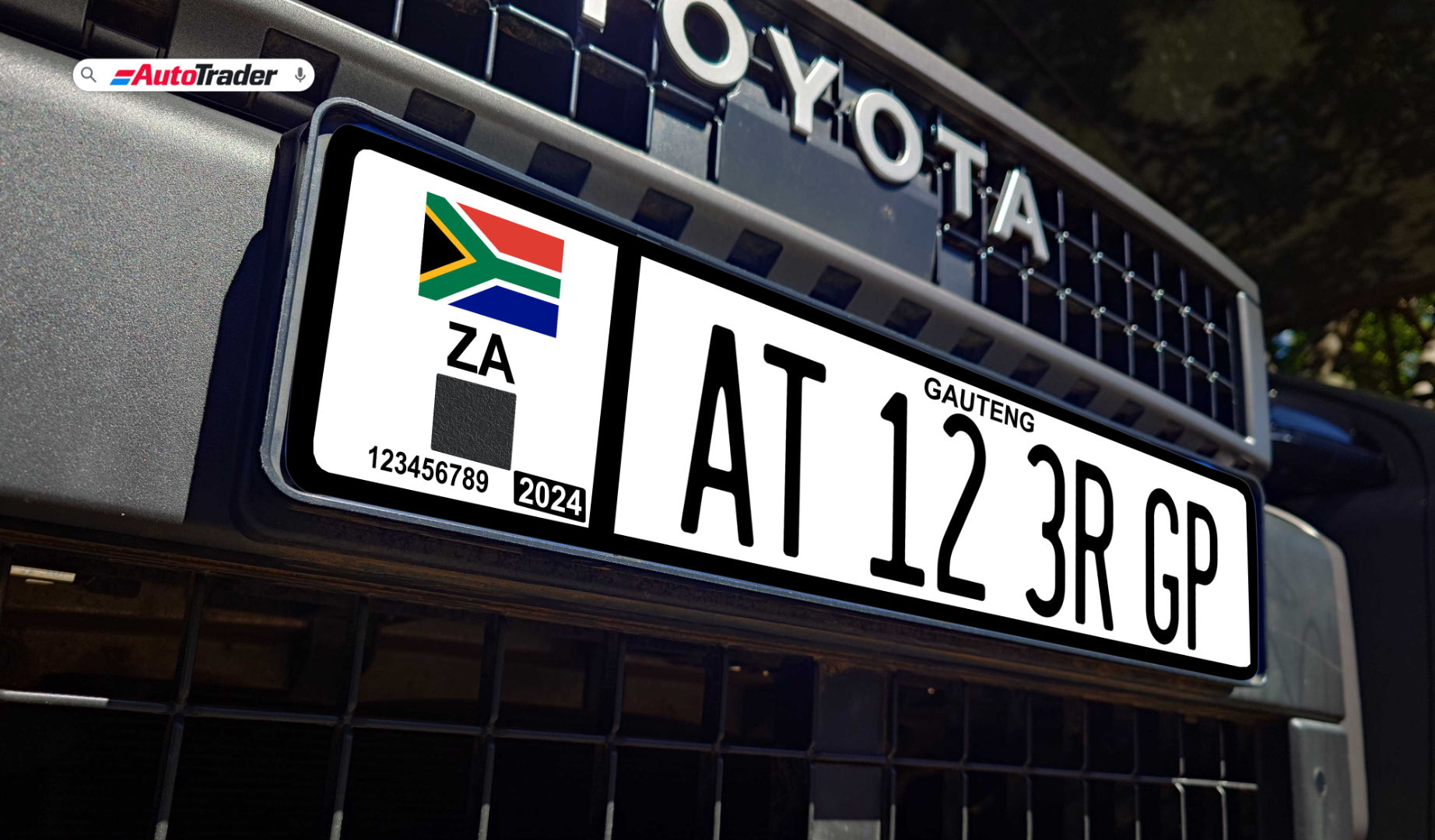


The initiative, championed by current Gauteng Premier Panyaza Lesufi, aims to curb vehicle-related crime and modernise the province's identification system. The journey to these new plates has been lengthy, with proposals dating back to 2015. Premier Lesufi has consistently promised the upgraded plates since his 2023 State of the Province Address. While initially hinting at a widespread rollout to all motorists in April 2024, the plan shifted to a pilot program, beginning with government vehicles before expanding to private ones. Despite a previous target of introduction before the end of the 2024/25 financial year (March 2025), the official pilot launch is now firmly set for Thursday, the 5th of June 2025.

A Look at the New Plate's Features
Details of the new number plate design were officially gazetted in November 2024, revealing a focus on advanced security. The aluminium plates will boast several key features:
- SABS Certification: A South African Bureau of Standards (SABS) certification mark will be prominently displayed on the bottom right, below the Gauteng province's licence mark.
- National Pride: The South African flag will be incorporated into the top left corner.
- Security: A 1cm x 1cm security feature, likely a barcode, will be positioned directly beneath the United Nations country sign, "ZA." This barcode is expected to link to a cloud-based database containing vehicle and owner information, allowing law enforcement to verify details on the spot.
- Tamper-Proof Decal: A "self-destructing" decal will be affixed below the security feature. This innovative decal is designed to break apart if any attempt is made to remove it, significantly hindering illicit plate swapping. It will also contain at least nine alphanumeric characters identifying the vehicle and depicting the number plate's expiry year.

Why the Upgrade?
Gauteng's new licence plate system is primarily driven by enhanced security. According to the provincial government, the current system is highly vulnerable to abuse by unregistered manufacturers and criminals who clone vehicles for illicit activities. The new regulations aim to introduce stricter controls over production and distribution, directly addressing these concerns.
Beyond crime prevention, another factor necessitating the change is the impending exhaustion of current number plate combinations. While the existing "AA 11 AA GP" series is projected to last until approximately 2038, a new system is essential for the province's long-term vehicle registration needs.

Outa has concerns
Despite the promised benefits, the new system has faced criticism. The Organisation Undoing Tax Abuse (Outa) has raised concerns, specifically highlighting the potential for high administrative costs associated with the new system. Outa argues that these costs could potentially outweigh the benefits of preventing cloning.
Furthermore, Outa has previously warned that increased expenses might incentivise fleet operators to register their vehicles outside Gauteng to avoid the higher fees. This could lead to significant revenue losses for the province and potentially undermine the effectiveness of the new security measures by encouraging non-compliance.
As the pilot rolls out, all eyes will be on Gauteng to see if these high-tech plates deliver their promise of a safer, more secure motoring environment.