
The Audi 5-cylinder engine at 40. A legacy lives on…
The Audi 5-cylinder engine at 40. A legacy lives on…


40 years ago, Audi presented the first 5-cylinder petrol engine in the Audi 100. Enhancements and new developments followed, with turbocharging, emissions control and 4-valve-per-cylinder technology, plus rally engines and 5-cylinder diesel units.
5-cylinder Audi engine
The 5-cylinder engines from Audi achieved cult status – partly due to their successful deployment in motorsport, and also on account of their reliability and economy.
These have played a vital role in defining the Audi “Vorsprung durch Technik” slogan, and to this day provide an emotional driving experience thanks to their characteristic sound.
1st 5-cylinder Audi engine in 1976
The first 5-cylinder petrol engine powered the Audi 100 (C2) in 1976. The model was to be positioned higher than its predecessor in the market, so the 4-cylinder engines at the time were not suitable for this plan of moving upmarket, according to the developers. At the beginning of the 1970s, Audi engineers consequently discussed the possibility of introducing 5 and 6-cylinder inline engines. The 6-cylinder option was ruled out due to installation space it requires. So those responsible opted for the 5-cylinder inline engine.
The derived 2.1-litre 5-cylinder petrol engine produced 100kW. A modern injection system increased efficiency and power development. Delivery of the Audi 100 5E (boldly badged “5E” on the grille and bootlid) began in 1977.
As early as 1978, Audi presented the first diesel version of the 5-cylinder engine – a naturally-aspirated (non-turbo) diesel with a displacement of 2.0 litres, producing 52kW, badged 5D.
200 5T – 1st turbo 5-cylinder
The first turbocharged 5-cylinder petrol engine made its debut for 1980 – another pioneering feat from Audi. With an output of 125kW and 265 Newton metres of torque, it powered the new top model, called Audi 200 5T.
Ur-quattro – rally-winning technical package
The 5-cylinder petrol engine in the 1980 Audi “Ur-quattro” (“Ur” can be translated as “original”) had even more to offer. With turbocharging, an intercooler and permanent four-wheel drive, it constituted a powerful technical package for the racetrack and the road. Initially, it delivered 147kW.
In 1983, the Finn Hannu Mikkola won the drivers’ title in the World Rally Championship in this car.
sport quattro – most powerful German road car
In the same year, Audi introduced the wide-track “sport quattro”, which was 24 centimetres shorter. It was powered by a newly developed 4-valve 5-cylinder unit, made of aluminium, and had an output of 225kW.
That was big power those days! It made the sport quattro the most powerful car built to date by a German company for use on public roads.
5-cylinder turbo diesel
Audi presented another milestone in automotive history at the International Motor Show in Frankfurt am Main in 1989: the Audi 100 TDI.
It was the first production car with a 5-cylinder direct-injection turbocharged diesel engine and fully electronic control. The powerplant generated 88kW from a displacement of 2.5 litres.
Used in VW Passat and Microbus(Kombi)/Caravelle
The 5-cylinder engine was so good, it was adapted for use in cars like the Volkswagen Passat CLi to create the performance/comfort flagship of the Passat range in the late 80s.
And who in South Africa can forget the charismatic 5-cylinder engine used in the Volkswagen Microbus (Kombi) and Caravelle generation T3 (a firm South African favourite back in the day) which grew in size over years from the 2.1i to the 2.5i and finally the 2.6i engine?
S2 Avant and RS2 Avant
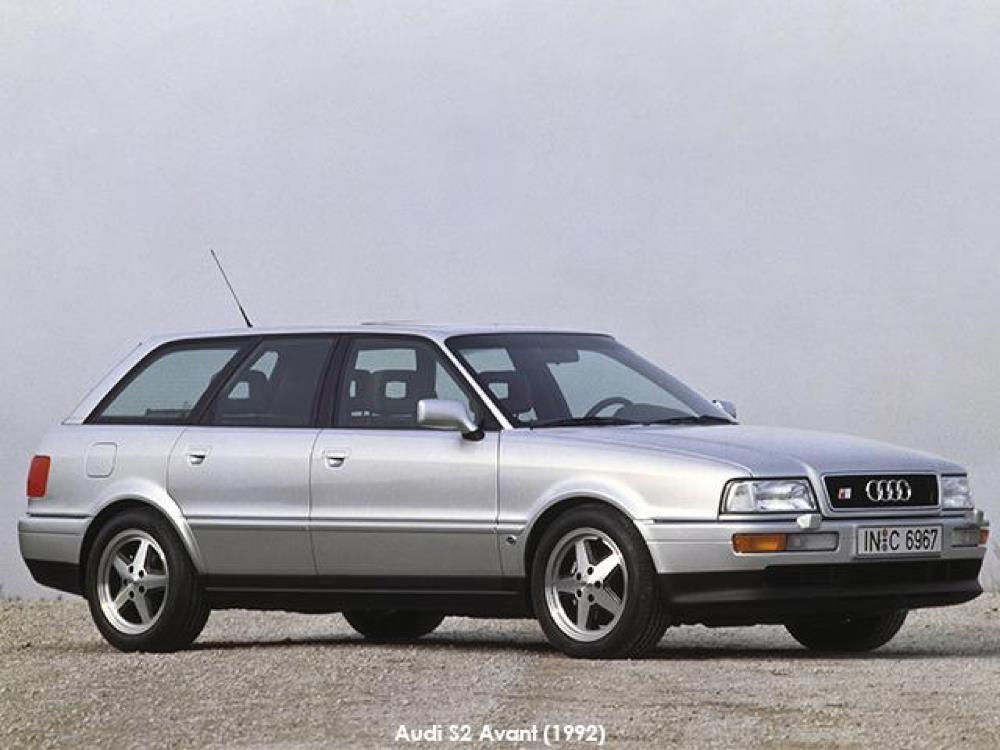
Audi continued to refine its range of 5-cylinder petrol engines. Audi took their much-loved Avant and created a sporty S2 Avant model.
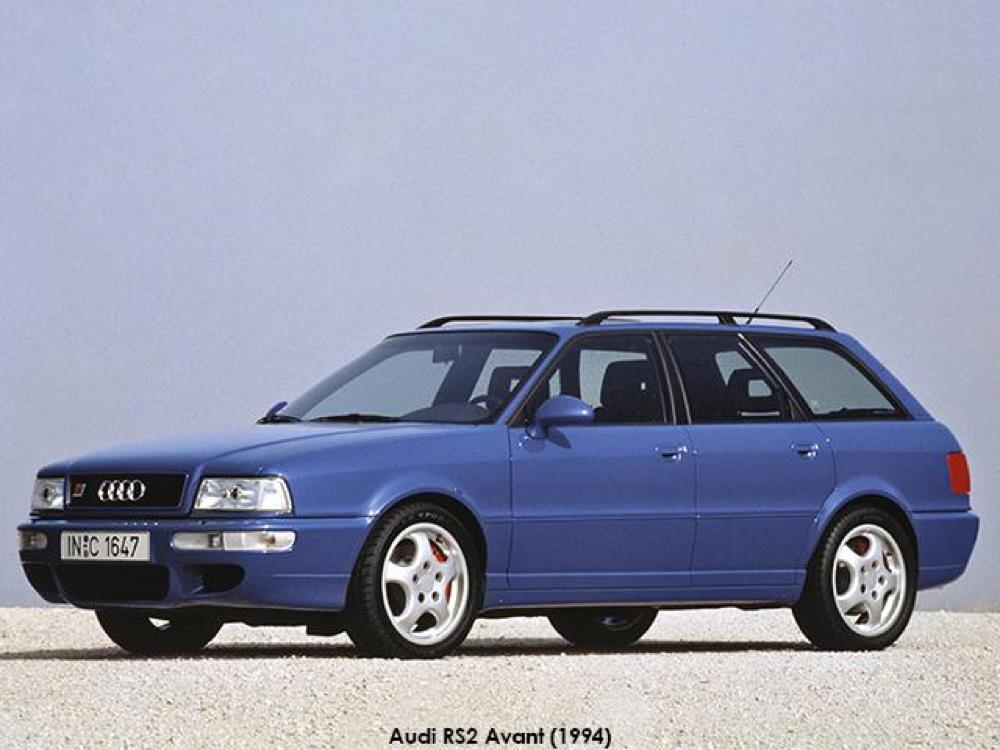
If this did not happen, perhaps the much more famous RS2 Avant, which followed in 1994, would not have happened. The Audi RS2 Avant had an output of 232kW when it came on to the market. As an Avant with the power of a sports car, it established a new automotive class.
Comeback in TT RS
The 5-cylinder regular petrol and diesel engines would no longer be available, with only 1 5-cylinder engine, as performance engine.
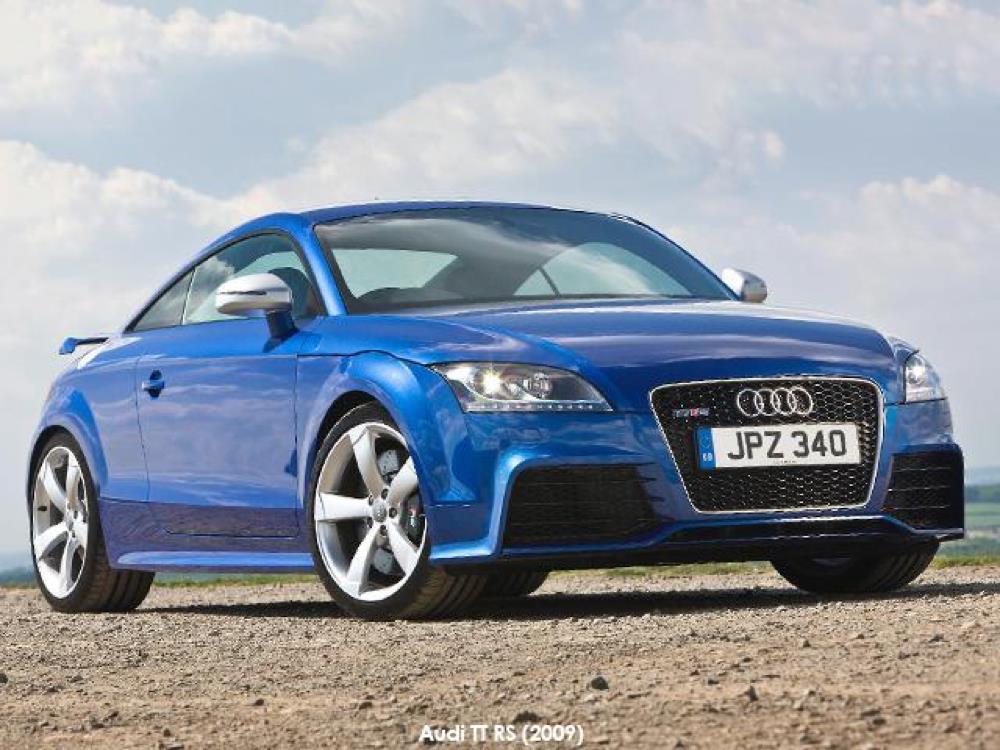
After building the last 5-cylinder engines in 1997, Audi had a big comeback in 2009 with turbocharging and petrol direct injection (TSI) for the Audi TT RS.
The transverse-mounted engine developed by quattro GmbH produced 250kW from a displacement of 2.5 litres.
RS3 Sportback and RS Q3
While the Ford Focus ST and RS were 5-cylinder turbo hot hatches, this engine was actually a Volvo engine. The Audi RS3 Sportback is the car which made a high-performance 5-cylinder hot hatch.
RS Q3
This engine also debuted in the Audi RS Q3 as the only high-performance cross-over / compact SUV with this engine layout.
Winner
An international jury of motoring journalists has voted the Audi 5-cylinder engine the “Engine of the Year” in its category for 7 times in a row since 2010.
5-cylinder alive and well in new TT RS…
Today, the 2.5 TFSI is alive and well in the Audi TT RS Coupé and Roadster, and carries on the great tradition of 5-cylinder powerplants. In the 2016 model, the engine (still a 2.5-litre) has been stretched to 294kW (400hp) and 480Nm.
Audi versus Volvo – the last survivor?
Of all the car companies, 2 stood out for being believers in the 5-cylinder engine: Audi and Volvo.
Mercedes-Benz had a few 5-cylinder diesel engines years ago (still used in the SsangYong Rexton 270XDi) and Ford now uses a 3.2-litre 5-cylinder in the Ranger and Everest.
As Volvo is phasing out the last of its 5-cylinder engines (almost all gone) in favour of 4-cylinder engines for its full line-up, it is up to Audi to let the 5-cylinder turbo petrol engine legacy live on.