
Mercedes-AMG GT and GT S
Mercedes-AMG GT and GT S - First drive impression


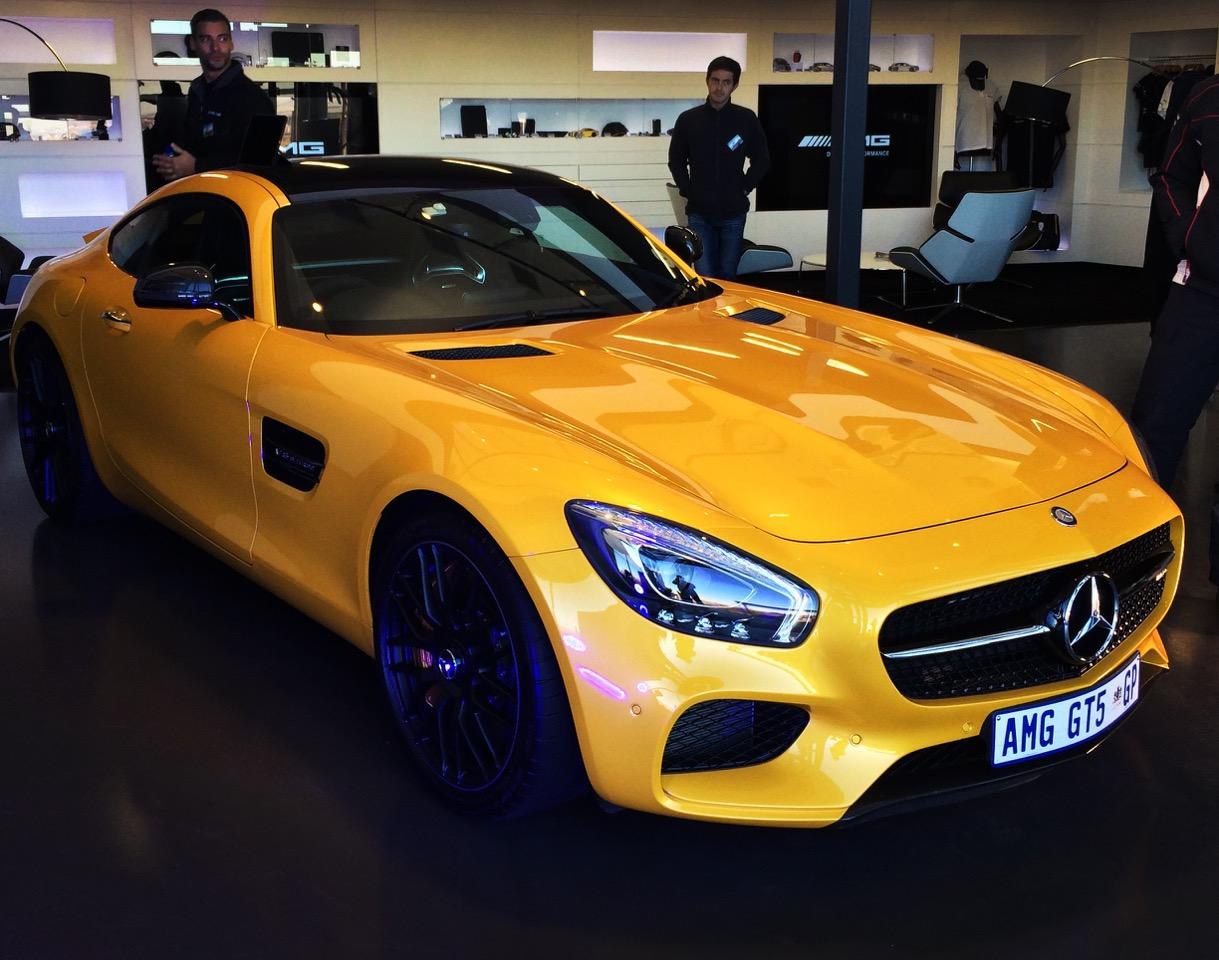
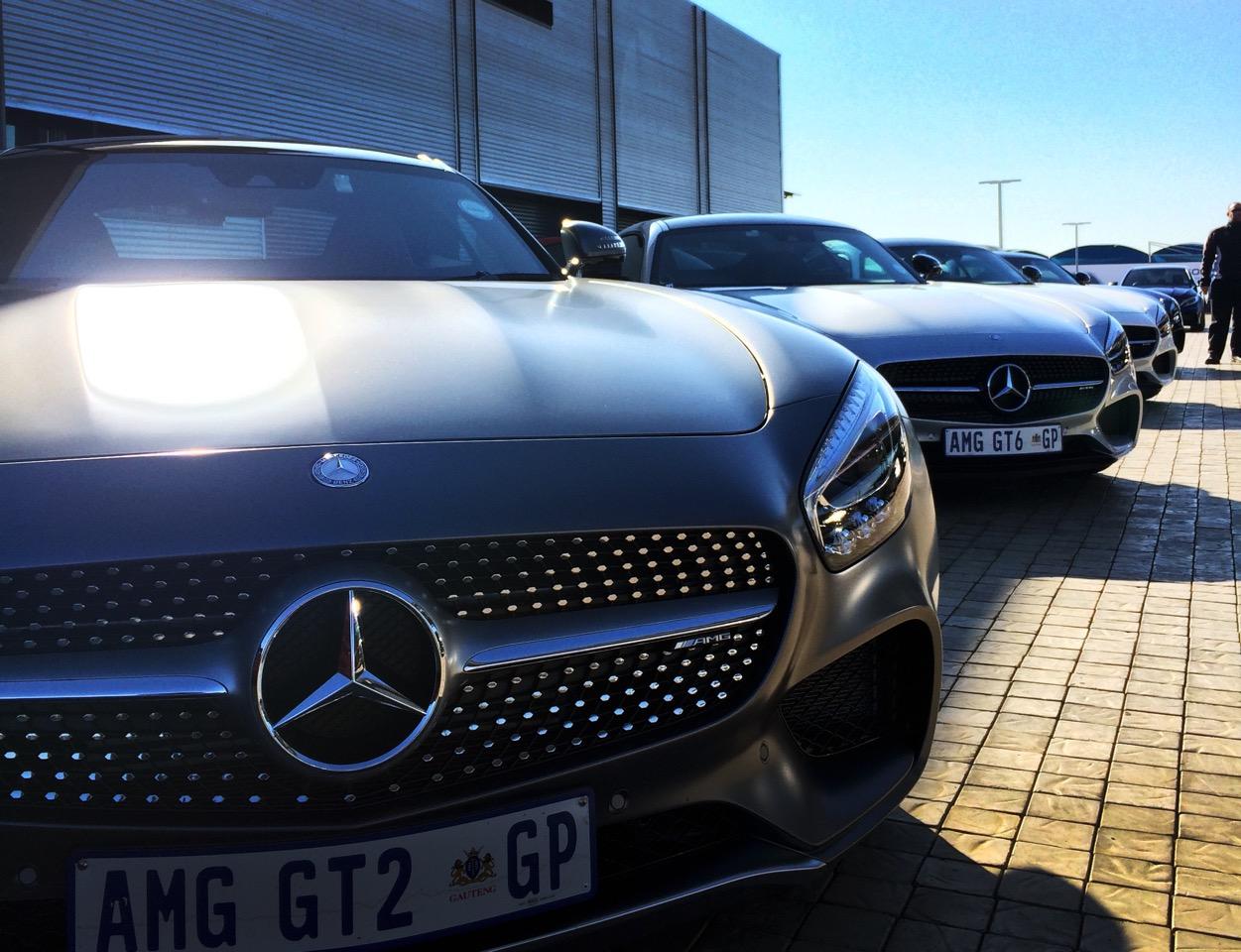
Let me start by clearing up a little confusion. The Mercedes-AMG GT is not a successor to the Mercedes-Benz SLS AMG. While it may look similar and carry design cues that suggest that, it is not. Secondly, the Mercedes-AMG GT is almost entirely all-new. It shares very little with its current stable mates and even less with the aforementioned SLS AMG.
What it is, is spectacular.
Concept.
The Mercedes-AMG GT is the second bespoke sports car from Mercedes-AMG, the first being the SLS AMG. Their first attempt with the SLS AMG was a bit like the first pancake of the batch – edible and tasty, but a bit of a flop, a little rough around the edges. The second one takes back the lessons learned from experience and has them expertly poured into this complete in-house build.
The AMG GT is a classic sports car, a two-seater with a long bonnet, rear-wheel drive and enough power to counteract any stage of load shedding. Mercedes-AMG were determined to create a car that performed as good as it looked and now I can vouch for the fact that they’ve gotten it right.
Styling
The Mercedes-AMG GT is a thing of beauty. It seems that just as much thought was given to the appearance as it was the underpinnings. The bonnet is implausibly long, stretching out into the distance and placing the cabin very far back.
A large air dam and soft edged headlights dominate the front end with a large, classic SL-style three-pointed star badge and chrome bars that extend to either side. The headlights, aggressively angled towards the nose, are personified by the LED DRLs, creating a scowl that matches the bark.
The flanks are devoid of unsightly creases and swage lines. Only a single line runs down the lower edge of the door toward the rear where it joins up with the rear bumper. The profile carries elements of Jaguar E-type and Datsun 240Z – neither of which are bad things. The gullwing doors are gone, and this has allowed the engineers to shave off some weight that the SLS carried due to this feature.
Strong, muscular haunches protrude at the rear, only broken by the thin slivers of taillight that interrupt their flow. The taillights themselves are LED units, no too dissimilar in design to that of another popular German marque.
The rear spoiler is retracted at speeds under 120km/h and will only surface above those speeds to improve downforce to the rear. It’s not only prettily styled, it’s functionally styled as well.
Interior
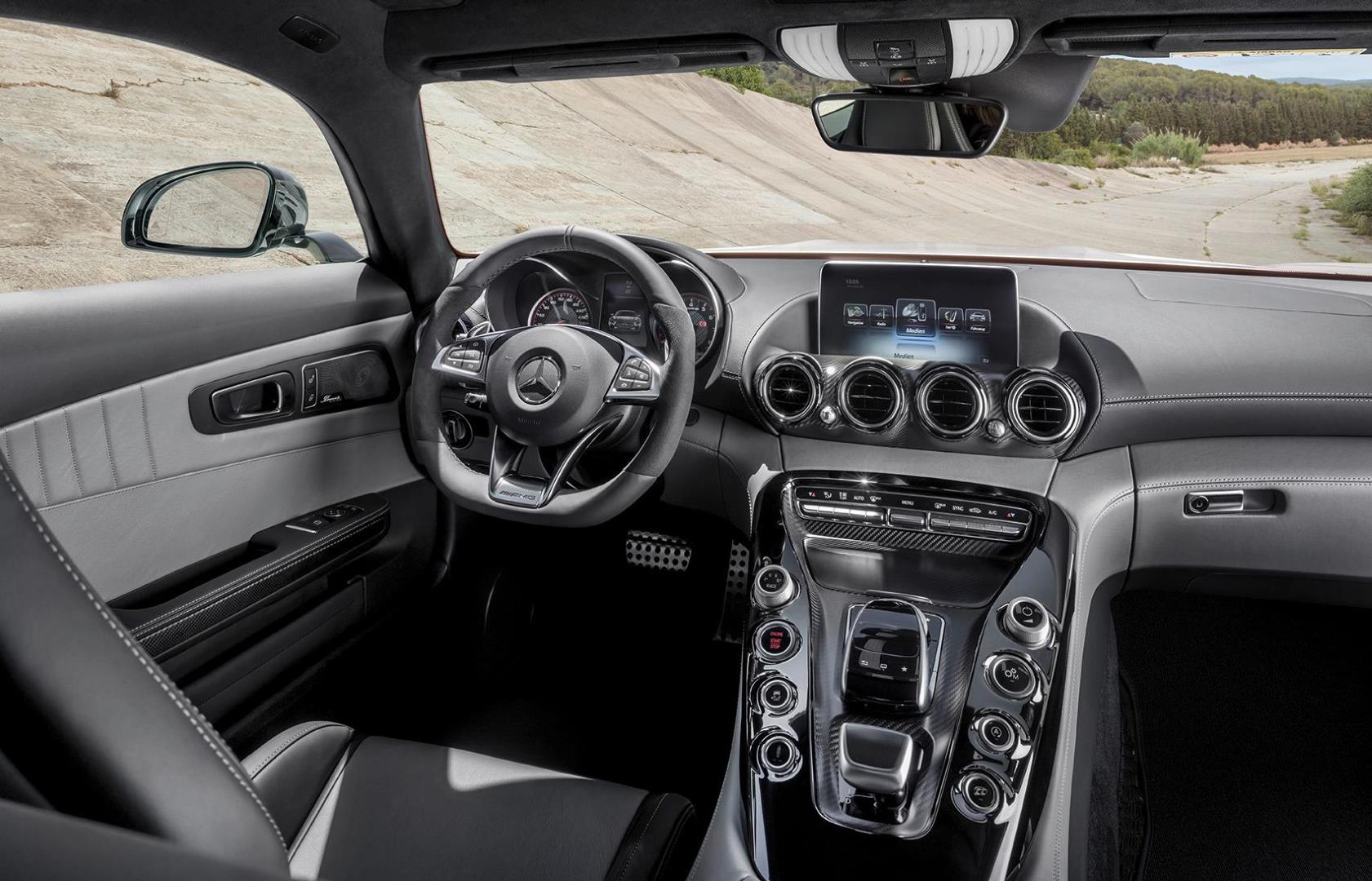
The interior is not the most spacious out there, but no one buys a two-seater sports car with space in mind. Thanks to the traditional doors, the sills are no larger than what most of us are accustomed to. Alighting is more a case of dropping down into it, rather than climbing in. Once you’re in though, all the controls fall easily to hand. You sit low down and the sills rest up high. Circular air vents with brushed aluminium bezels and the center-mounted infotainment screen dominate the dashboard, only interrupted by the contrasting stitching.
There’s a variety of interior trim available; from dark, sombre tones to a more classic beige leather or even a vibrant red leather option. The latter of which I found quite appealing.
Engine
Under the long bonnet rests a 4.0-litre bi-turbo V8 with it’s turbos mounted inside the V, keeping the overall size down and allowing the motor to be placed relatively far back, behind the front axle in fact.
It develops 340kW and 600Nm torque in the GT version and 375kW and 650Nm in the GT S derivative. This will get the GT S to the 100km/h mark from a standstill in a mere 3.8-seconds – largely thanks to its launch control function and RWD setup. It will rocket onto an electronically limited 310km/h. The GT model is not far off of those figures, posting a 4.0-second and 304km/h top speed.
The engine snarls and barks, which is quite surprising considering its turbocharged nature. Downshifts from the Speedshift 7-speed DCT gearbox prompt crackles and snaps, something that soon becomes highly addictive. Acceleration is blistering and seems to be without end, pulling strong gear, after gear, after gear.
Handling
Thanks to careful design and engineering, including the use of exotic material such as carbon fibre and magnesium, the Mercedes-AMG GT carries a near 50/50 weight distribution. This is also achieved by placing the transmission at the rear, much like and Alfa Romeo GTV or Nissan GTR.
The long bonnet and rearward seating position is initially unnerving as the front feels as if it is swaying through the turns. You quickly become accustomed to it and then start to revel in the balance and precision of it all.
The brakes are sharp and progressive and when specced with the optional carbon ceramic discs, possibly over-braked. The nose has a tendency to squirm and twitch under hard braking from race speed with the CC discs, the steel discs taking a little longer to slow the car down, but doing so in a more progressive manner.
It’s a car that inspires confidence and evokes a grin from ear to ear. A complete sensory experience that will leave you breathless and emotional. It’s practical too, making it a reliable option for those that wish to get their kicks on a daily basis.
The second pancake is good and others will soon want the recipe.
The Mercedes-AMG GT retails for R 1 660 000 while the AMG GT S retails for R 1 999 000 including VAT.