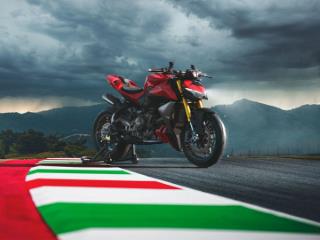


There is no feeling on earth quite like twisting the throttle on a fully loaded motorcycle as the morning mist lifts over the Klein Karoo. In South Africa, motorcycle touring isn't merely a hobby or a weekend pastime; it is a visceral, high-definition immersion into some of the most dramatic terrain on the planet. From the ribbon-smooth asphalt of coastal mountain passes to the endless, heat-hazed dirt tracks of the interior, South Africa is a playground built for two wheels.
Related: Touring Bikes with the Lowest Ownership Costs
However, long-distance touring in South Africa demands more than just a bike and a sense of adventure. The vast distances between towns, dramatic weather shifts, remote stretches without cellular reception, and unique road hazards mean that thorough preparation is the difference between the trip of a lifetime and an expensive breakdown in the middle of nowhere. Whether you're piloting a flagship BMW R 1250 GS Adventure, a sleek Yamaha FJR1300, or a rugged Honda Africa Twin, this comprehensive guide covers South Africa's finest touring routes alongside practical expertise to keep you rolling safely.
Best Adventure Bikes in South Africa: BMW vs KTM vs Honda Africa Twin
Part 1: South Africa's Great Motorcycle Routes
1. Route 62 & The Garden Route (Western & Eastern Cape)
- Distance: ~850 km
- Ideal Duration: 3–5 Days
- Terrain: 100% Paved (Optional Gravel Loops)
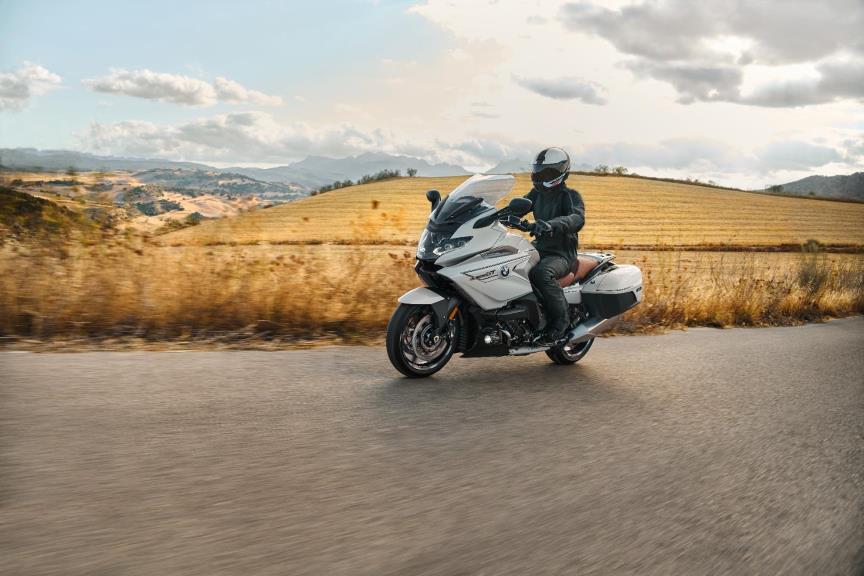
Often dubbed the world's longest wine route, Route 62 is South Africa's answer to Route 66—but with vastly superior corners. Running inland from Cape Town through Robertson, Montagu, Barrydale, and Ladismith to Oudtshoorn, this stretch is lined with majestic mountain passes. Highlights include Tradouw Pass and Huisrivier Pass, both offering pristine asphalt and swooping, rhythmic curves.
From Oudtshoorn, ride over the legendary Outeniqua Pass down to George, joining the N2 coastal highway along the Garden Route. Wrap up your ride by carving through the breathtaking coastal curves of Tsitsikamma toward Jeffreys Bay.
2. The Drakensberg & Sani Pass Circuit (KwaZulu-Natal)
- Distance: ~600 km Loop
- Ideal Duration: 2–3 Days
- Terrain: Mix of Paved & Extreme Off-Road
For adventure riders, the Drakensberg region is hallowed ground. Skirting the spine of South Africa's highest mountain range, this route offers technical riding, towering basalt cliffs, and sweeping alpine views. The centrepiece is the infamous Sani Pass, which climbs from Underberg into Lesotho at 2,874 meters above sea level.
While the lower sections have seen partial paving over the years, the upper switchbacks remain a challenging mix of loose gravel, mud, and rock. A capable dual-sport machine, proper off-road technique, and a valid passport are mandatory. Combine this with the fast, sweeping tar of the R74 around Sterkfontein Dam for a complete touring experience.
3. The Panorama Route & Lowveld (Mpumalanga)
- Distance: ~450 km
- Ideal Duration: 2 Days
- Terrain: Technical Tar
Mpumalanga's Panorama Route is a motorcyclist's dream of elevation changes, sweeping visibility, and dense green scenery. Centred around Graskop, Sabie, and Hazyview, this region boasts iconic biking roads like the 22-Passes between Sabie and Kiepersol—a continuous, roller-coaster section of tarmac that tests lean angles and throttle control.
Take time to stop at God's Window, Bourke's Luck Potholes, and the Blyde River Canyon viewpoint. Beware of early morning mist, seasonal heavy rainfall, and stray livestock, but expect some of the finest tarmac flow in the country.
Part 2: Pre-Trip Bike Preparation
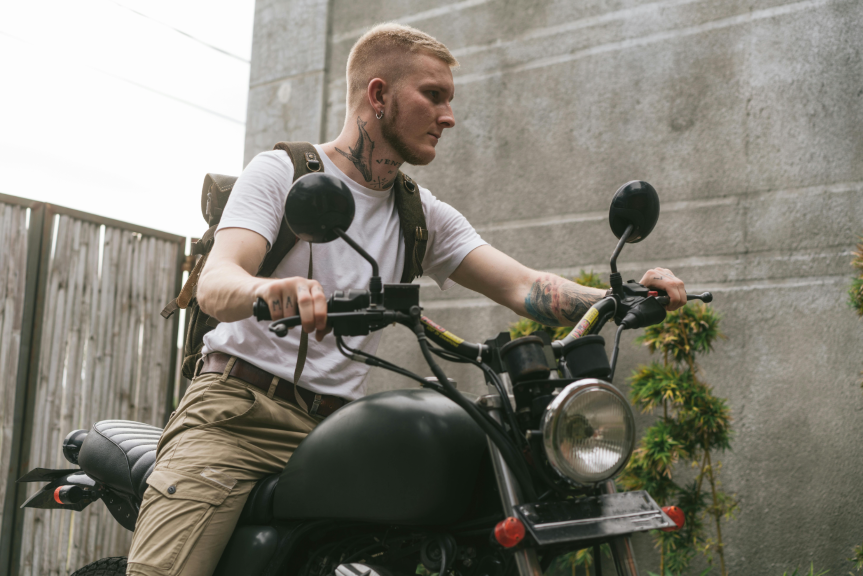
When you're 400 kilometres away from the nearest franchised dealership, mechanical sympathy transforms from a good habit into a vital survival skill. Before setting off, your motorcycle requires a meticulous pre-flight inspection.
The "T-CLOCS" Inspection Checklist:Never leave home without running through T-CLOCS: Tyres & Wheels, Cables & Controls, Lights & Electrics, Oil & Fluids, Chassis & Suspension, Stand & Fasteners. Pay special attention to tyre date codes and brake pad thickness.
- Tyres and Pressure Strategy: Inspect your tread depth thoroughly. High-speed highway cruising on hot SA asphalt rapidly destroys the tyre compound. If you're embarking on a 3,000 km trip with less than 50% tread remaining, fit fresh rubber before leaving. Always carry an electronic tyre pressure gauge and a compact 12V mini-compressor or CO2 canisters paired with a tubeless tyre repair kit.
- Drivetrain Care: If your bike is chain-driven, inspect the chain for tight spots and stretch, and the sprockets for "shark-finning." Clean, adjust, and lube the chain before departure. On multi-day tours, lube your chain every evening after riding while it's still warm, or every 500 km. Shaft-drive riders should check final drive oil levels and seals for leaks.
- Fluid Refresh: Change your engine oil and filter if your service interval falls anywhere within your planned mileage. Check coolant levels, front and rear brake fluid condition, and clutch hydraulic fluid. High temperatures in regions like the Karoo will degrade brake fluid.
- Suspension Preload & Setup: Adjust your rear shock preload and damping to account for the extra weight of luggage (and a pillion, if applicable). A motorcycle squatted too low in the rear will suffer from vague steering, reduced front-tyre grip, and dangerous headlight dazzle at night.
Part 3: Master the Art of Packing & Weight Distribution
The cardinal rule of motorcycle packing is simple: Keep it light, keep it low, and keep it central. Adding 30 to 50 kilograms of gear fundamentally changes your motorcycle's centre of gravity, braking distance, and handling dynamics.
| Luggage Type | Best Suited For | Pros & Cons |
| Hard Panniers (Aluminum/Plastic) | Long-distance highway touring, commuting, maximum security. | Pros: Fully lockable, 100% waterproof, crush protection. Cons: Heavy; can cause leg injuries during off-road dabs. |
| Soft Luggage / Throw-over Bags | Adventure riding, dual-sport, technical off-road trails. | Pros: Lightweight, flexible, safer in crashes off-road. Cons: Less secure against theft, requires rain covers or dry inner bags. |
| Tank Bags | Quick-access items (Passports, toll money, phone, visor cleaner). | Pros: Keeps weight central; convenient. Cons: Must be removed/pivoted during refuelling. |
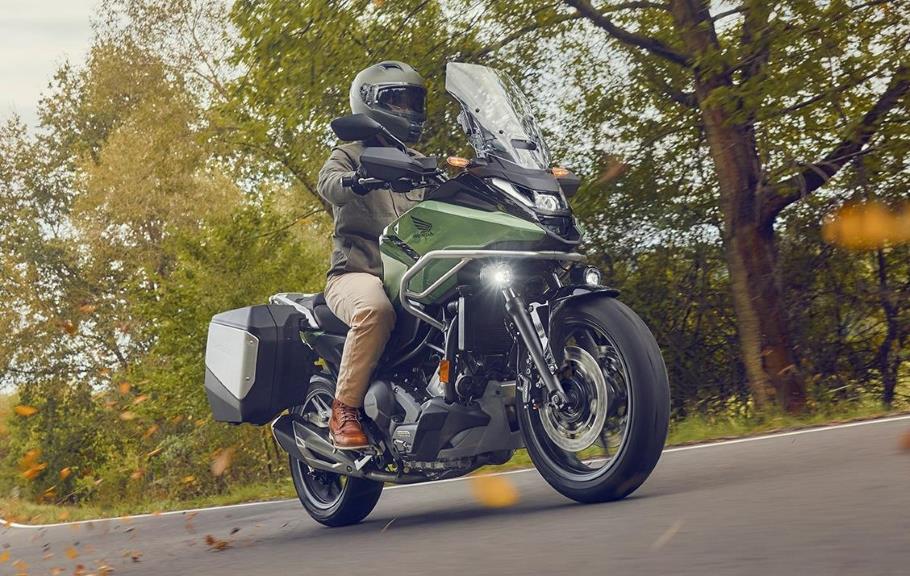
Pack your heaviest items—such as tools, spares, and heavy fluids—at the very bottom of your side panniers, as close to the bike's centerline as possible. Reserve top boxes and rear rack dry bags for lightweight, bulky items like sleeping bags, down jackets, and rain gear. Overloading a top box high and far back on the rear subframe causes high-speed weave and destabilises the front wheel.
Part 4: Riding Gear for the African Climate
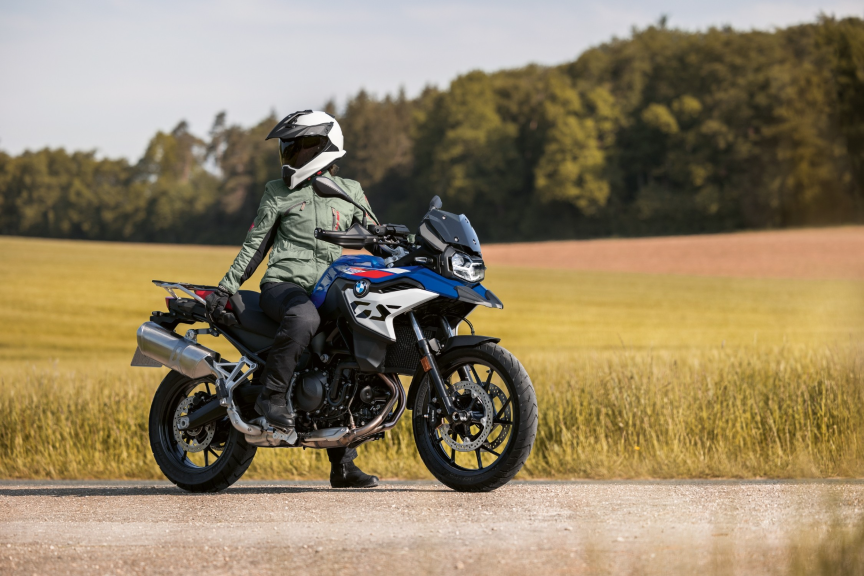
South African weather can shift violently within a single riding day. You can experience freezing mountain air on top of the Katberg Pass in the morning and searing 38°C heat in the Great Karoo by mid-afternoon. Equipping yourself with a modular layering system is essential.
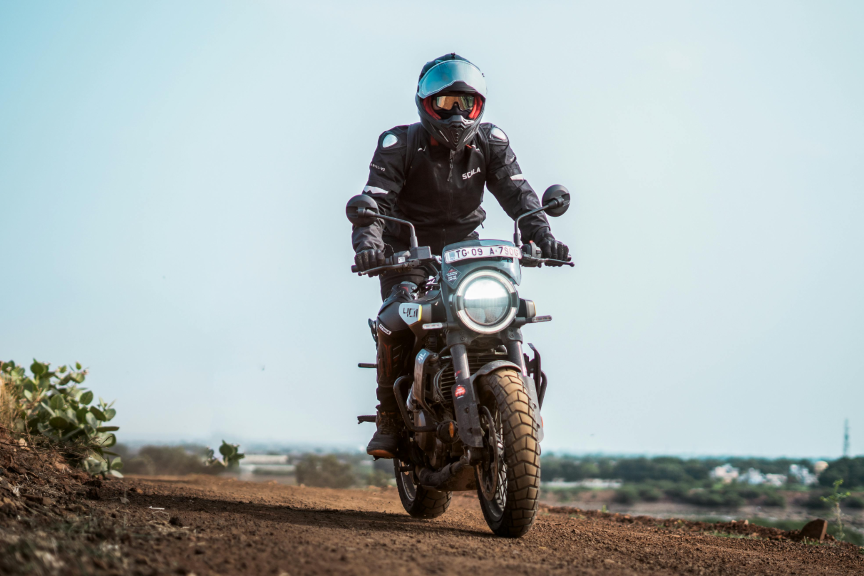
- Four-Season Textile Adventure Suits: While leather is unbeatable for abrasion resistance on tarmac, high-quality textile suits (featuring Cordura outer shells with removable waterproof and thermal liners) are superior for long-distance touring. Look for suits with large zip-open chest and thigh ventilation panels.
- Hydration Packs: Dehydration is a silent killer on long rides. It degrades reaction times, causes fatigue, and triggers severe headaches. Ride with a 2- to 3-litre hydration bladder (like a CamelBak) worn on your back or integrated into your jacket, and sip constantly while riding—do not wait until you are thirsty.
- Eye Protection: Dust on gravel roads and blinding afternoon sunlight require a helmet equipped with an internal drop-down sun visor or an anti-scratch tinted visor. Carry a clear visor for overcast conditions and night riding, along with microfibre cloths and visor cleaning spray.
Part 5: Navigating South African Road Realities
Touring in South Africa presents specific environmental hazards that demand constant situational awareness and proactive riding tactics.
1. Wildlife & Livestock Hazards
Outside major metropolitan centres, rural roads—especially through the Eastern Cape, Limpopo, and Mpumalanga—frequently feature unfenced cattle, goats, donkeys, and dogs. Animals have zero road sense and can step onto the tarmac without warning. Reduce your speed drastically when passing through rural villages or along unfenced farm borders, and maintain a two-finger cover on your front brake lever.
2. Road Surface Integrity & Potholes
While South Africa's primary national highways (N-routes) are generally maintained in superb condition, provincial roads (R-routes) vary widely in quality. Severe potholes, sudden transitions from asphalt to unannounced roadworks, and loose gravel swept across hairpin corners are common. Always ride within your sight distance, never overdrive your headlights at night, and avoid riding after dark entirely whenever possible.
3. Fuel Management & Range Planning
In remote regions like the Northern Cape or the Karoo, the distance between fuel stops can easily exceed 250-300 kilometres. Never pass an open fuel station in remote areas without topping up, even if you still have half a tank. Utilise navigation apps (such as iOverlander or BaseCamp) to map out guaranteed fuel stops, and consider carrying a 5-litre auxiliary fuel bladder (e.g., Desert Fox) for peace of mind on back-country routes.
Pro Tip: Emergency PreparednessCellular coverage can drop to zero in deep valleys and remote passes. Always download Google Maps offline or carry an old-school paper one with routes marked out beforehand. Please carry a satellite messenger or emergency beacon (such as a Garmin InReach) if travelling solo in remote areas, and make sure you have active medical evacuation cover on your policy.
The Spirit of the Road
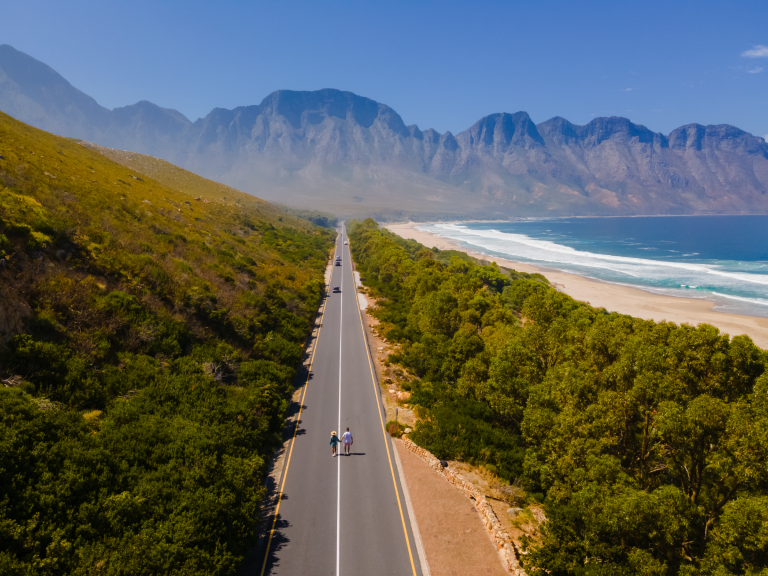
Motorcycle touring in South Africa is an unmatched, soul-stirring experience. It forces you out of the air-conditioned bubble of a car and thrusts you directly into the sights, smells, and atmospheric shifts of the landscape. By choosing the right route, meticulously preparing your machine, packing with discipline, and respecting the unique hazards of our roads, you unlock an extraordinary country in the best way imaginable—from behind the handlebars.