How does the Suzuki V-Strom 800DE compare to the Honda Transalp?
Middleweight adventure bikes are all the rage in Europe, and that popularity has extended to South Africa as overland adventurers seek out smaller displacement machines to tackle our varied terrain. How does the Suzuki V-Strom stack up against Honda's Transalp?


Related: How does the Honda Transalp compare to the KTM 790 Adventure?
Suzuki DL800 DE V Strom and GSX-8S (2023) Launch - First Ride Review
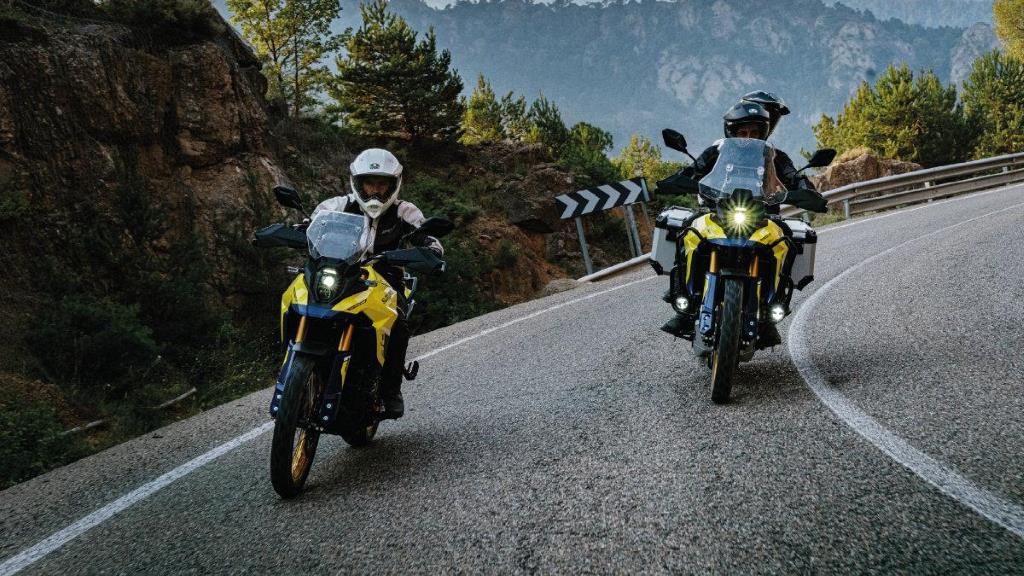
Engines and Performance: Low-End Grunt vs High-Revving Punch
Underneath the bodywork, both manufacturers departed from traditional layouts in favour of modern parallel-twins featuring a 270° crankshaft. This firing order mimics the feel and traction characteristics of a V-twin, providing a characterful exhaust note and linear power delivery.
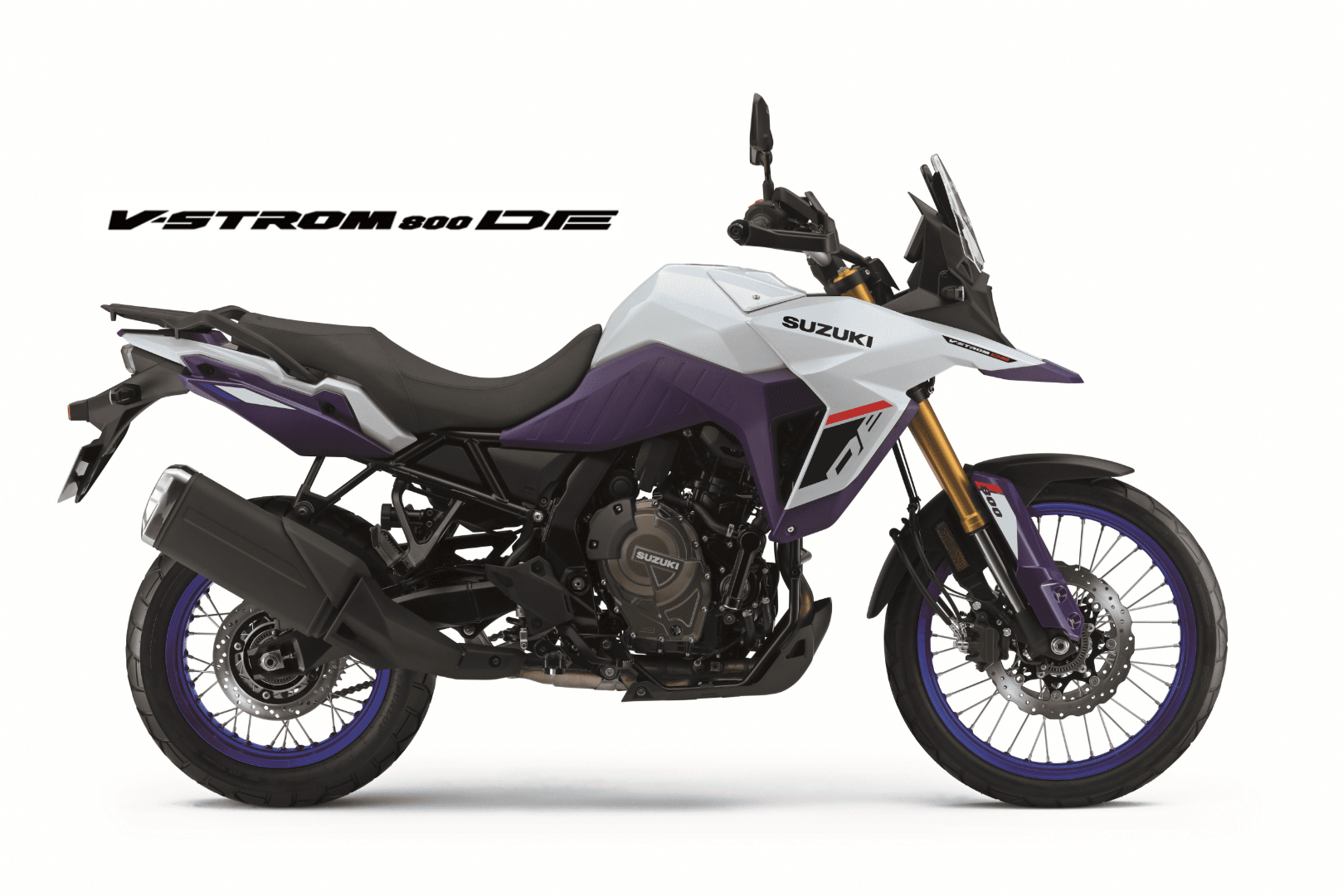
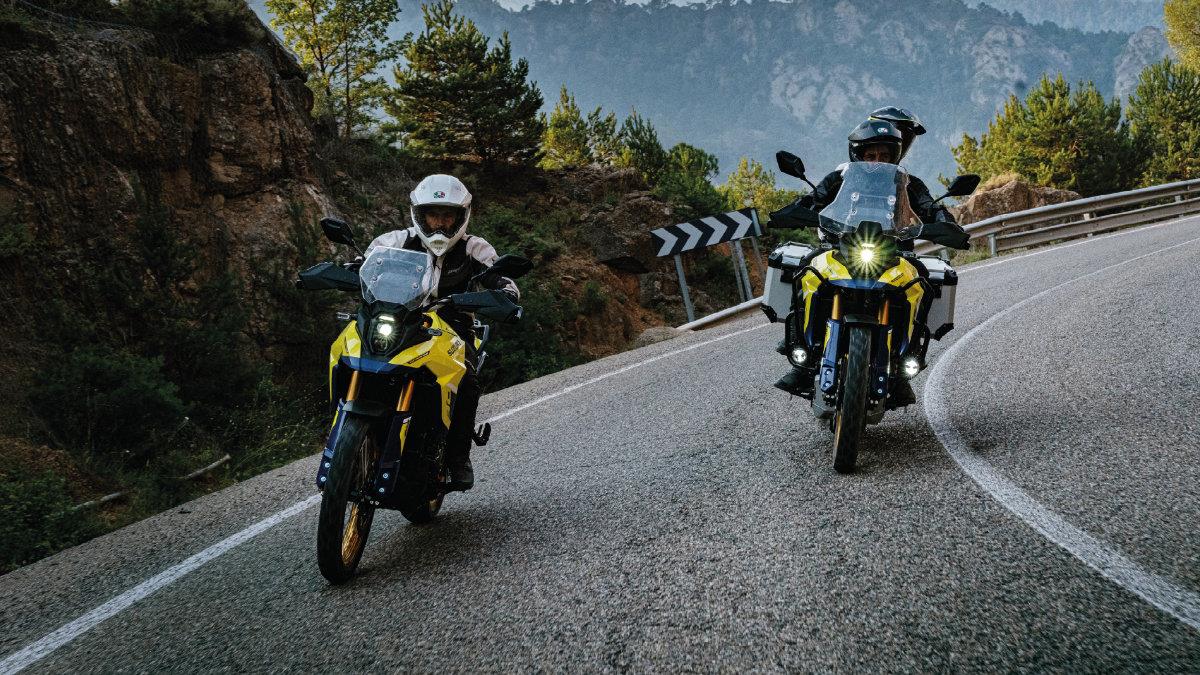
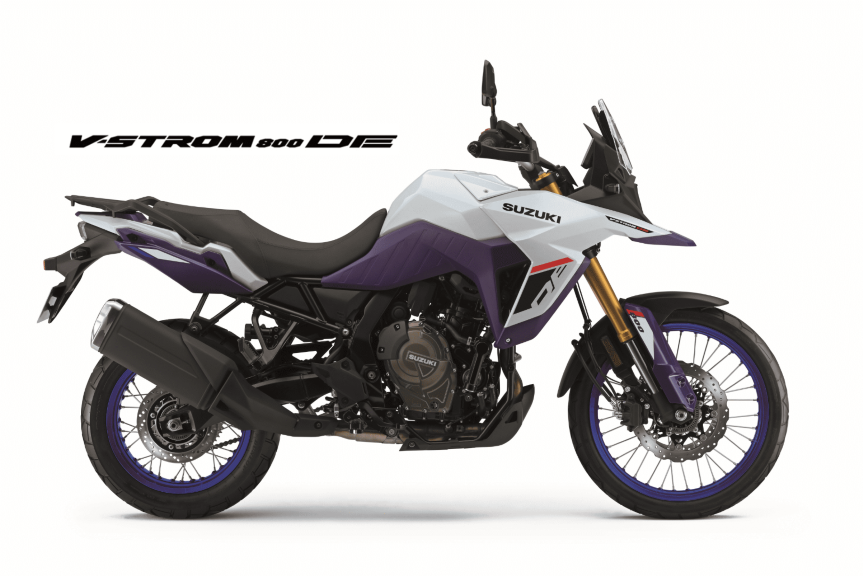
Suzuki V-Strom 800DE: Suzuki uses a 776cc DOHC parallel-twin engine with a long-stroke configuration designed to deliver immediate low-down grunt and usable mid-range pull. To smooth out vibrations, Suzuki introduced the Suzuki Cross Balancer system, positioning two balancers at 90° to the crankshaft—a first for a production motorcycle. Power delivery is managed via the Suzuki Drive Mode Selector (SDMS), which offers three throttle maps (Active, Basic, Comfort).
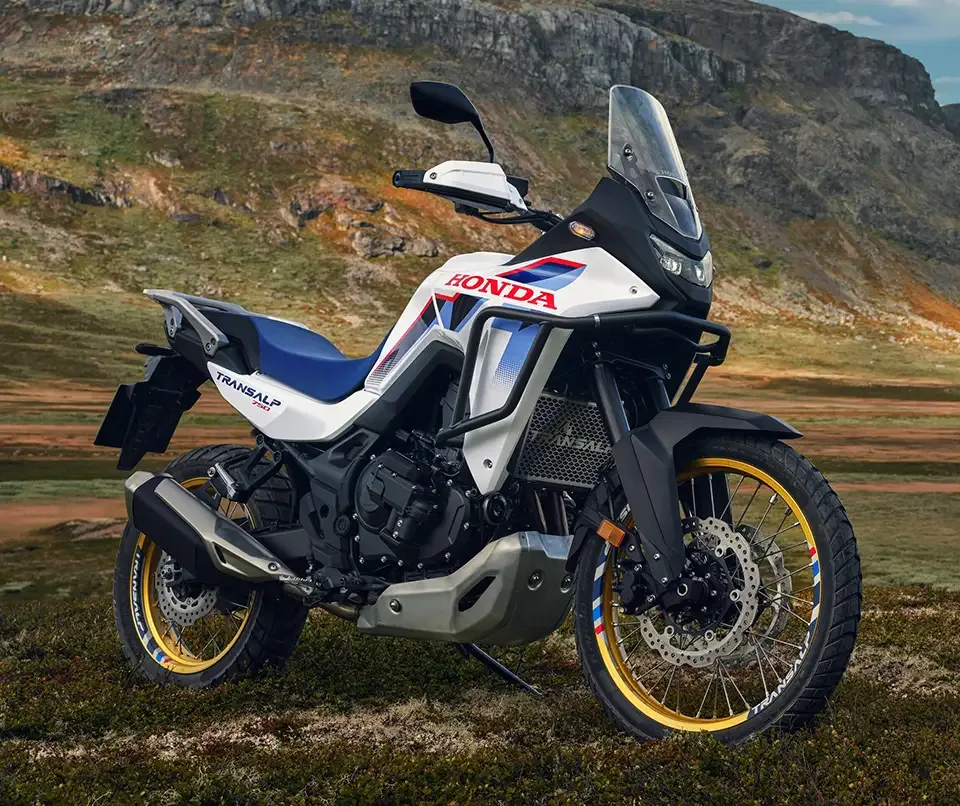
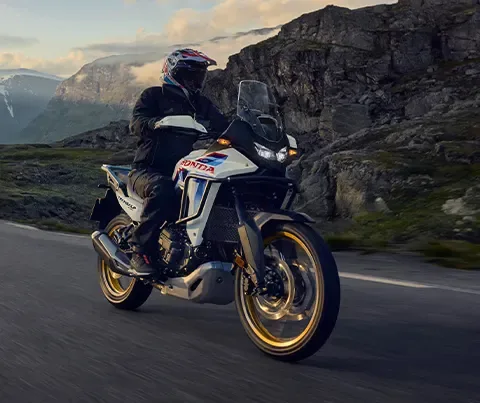
Honda XL750 Transalp: Honda’s 755cc liquid-cooled Unicam parallel-twin favours a rev-happy nature with punchy mid-to-top-end performance. Throttle-by-Wire (TBW) provides four preset riding modes plus customisable parameters for engine power, engine braking, and Honda Selectable Torque Control (HSTC) with integrated Wheelie Control.
Where the Suzuki excels is in low-speed technical crawling, pulling cleanly off the bottom. The Honda shines when the road opens up, rewarding riders who like to push higher into the rev range.
Gearbox Tech: Quickshifter vs E-Clutch
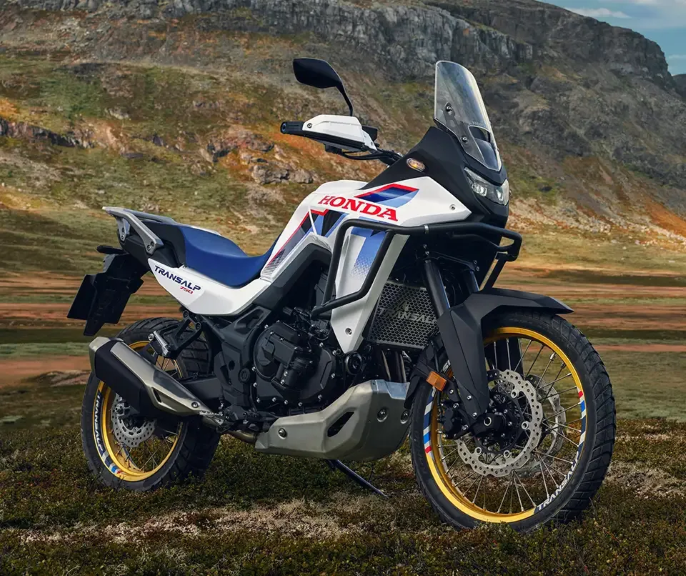
Off-Road Capability
| Feature | Suzuki V-Strom 800DE | Honda XL750 Transalp |
| Engine Capacity | 776 cc | 755 cc |
| Front Wheel | 21-inch (90/90-21, tube-type) | 21-inch spoked |
| Rear Wheel | 17-inch (150/70R17, tube-type) | 18-inch spoked |
| Ground Clearance | 220 mm | Adventure tuned |
| Seat Height | 855 mm | Accessible adventure ergonomics |
| Curb Mass / Weight | 230 kg | Lightweight overall footprint |
| Fuel Tank | 20 Litres | Touring capacity |
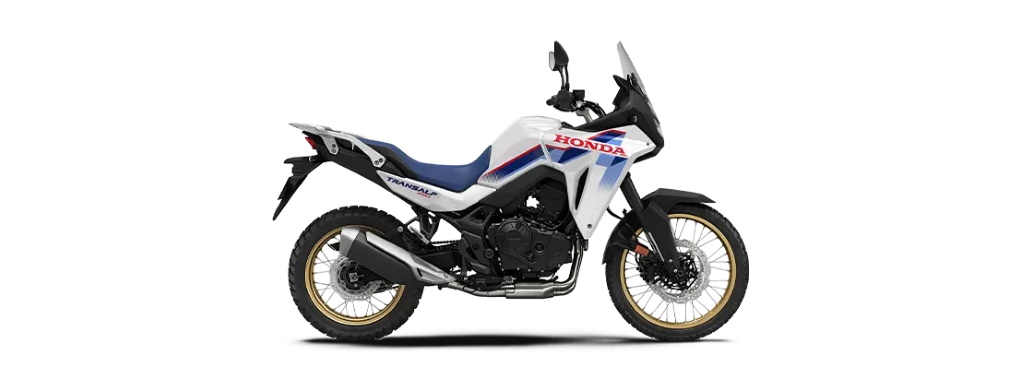
Rider Electronics and Everyday Usability
- Suzuki Electronics (SIRS): The Suzuki Intelligent Ride System includes SDMS power modes, multi-stage Traction Control (including Gravel Mode), Rear ABS off mode, and the standard bi-directional quickshifter. The interface is straightforward, prioritising quick on-the-fly adjustments.
- Honda Electronics: The Transalp comes equipped with Honda RoadSync smartphone connectivity for turn-by-turn navigation, call management, and music control. Its safety suite includes 2-channel ABS, HSTC with Wheelie Control, Engine Brake control, and Emergency Stop Signal (ESS) auto-cancelling indicators.
Verdict
- Pick the Suzuki V-Strom 800DE if your heart lies in unpaved exploration. With 220mm of fully adjustable suspension travel, 220mm of ground clearance, a dedicated Gravel mode, and a standard quickshifter, it is built to tackle rugged trails out of the crate.
- Pick the Honda XL750 Transalp if you want an agile, lightweight adventure tourer with cutting-edge tech. Its rev-happy parallel twin, Honda RoadSync connectivity, and optional E-Clutch make it a refined choice for daily commuting, fast tarmac sweeps, and light off-road touring.