
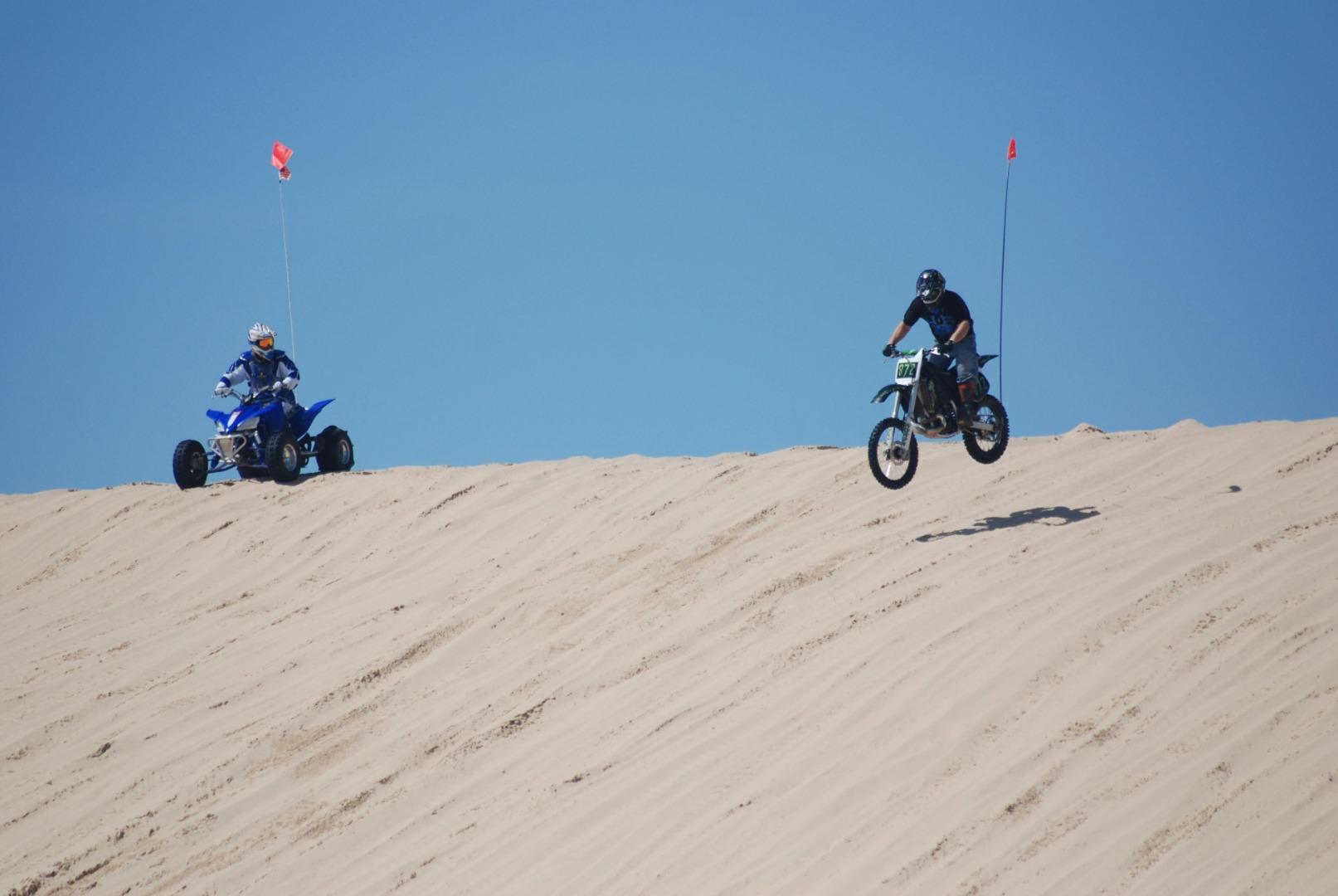
In the South African powersports market, choosing between two wheels and four comes down to a classic battle of capability versus utility. Whether you’re looking to tear up the Highveld dust, navigate farm terrain, or tackle weekend trails, both quads and dirt bikes offer exceptional thrill—but they cater to very different needs.
Related: What are the top 5 quadbikes?
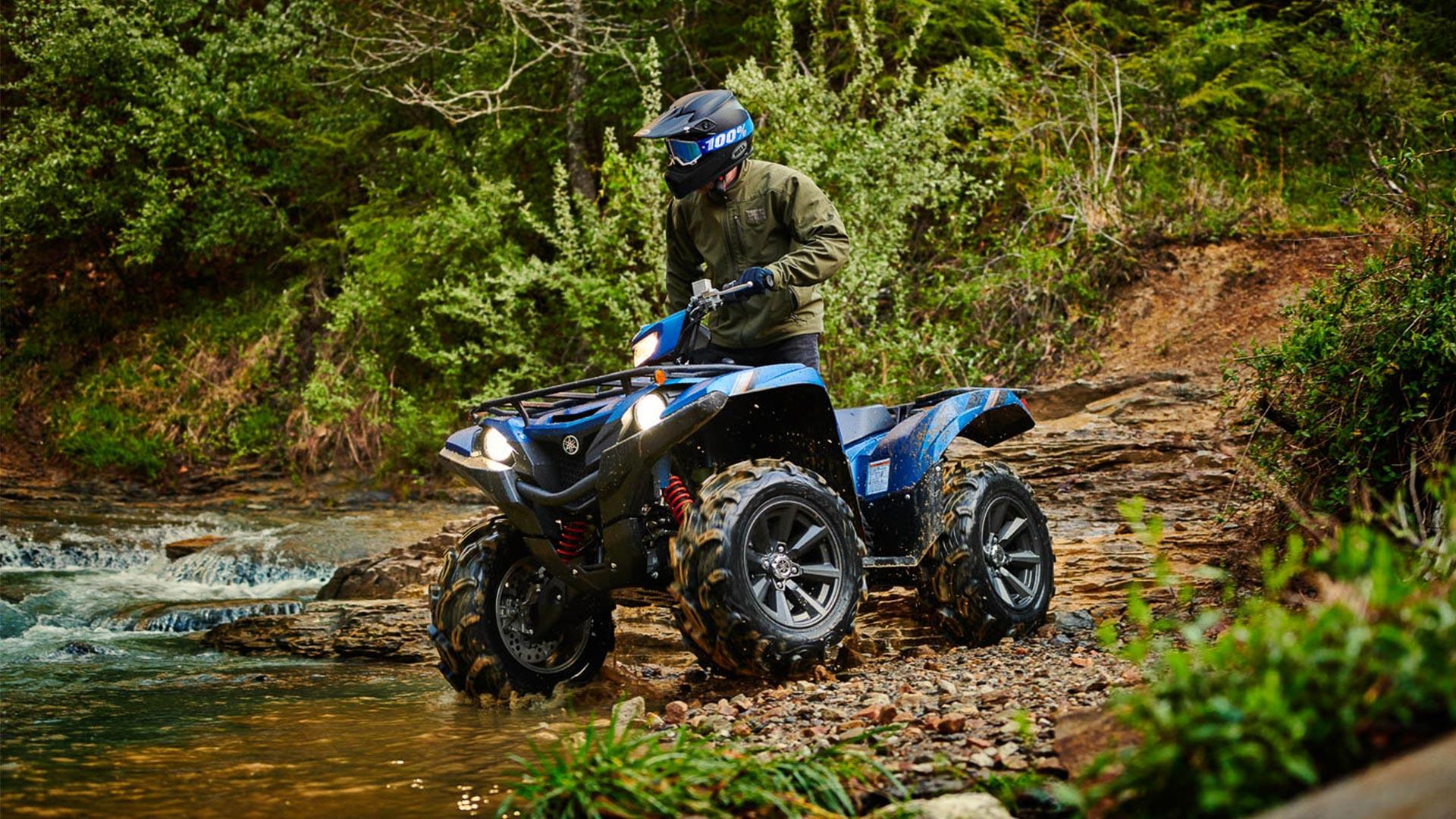
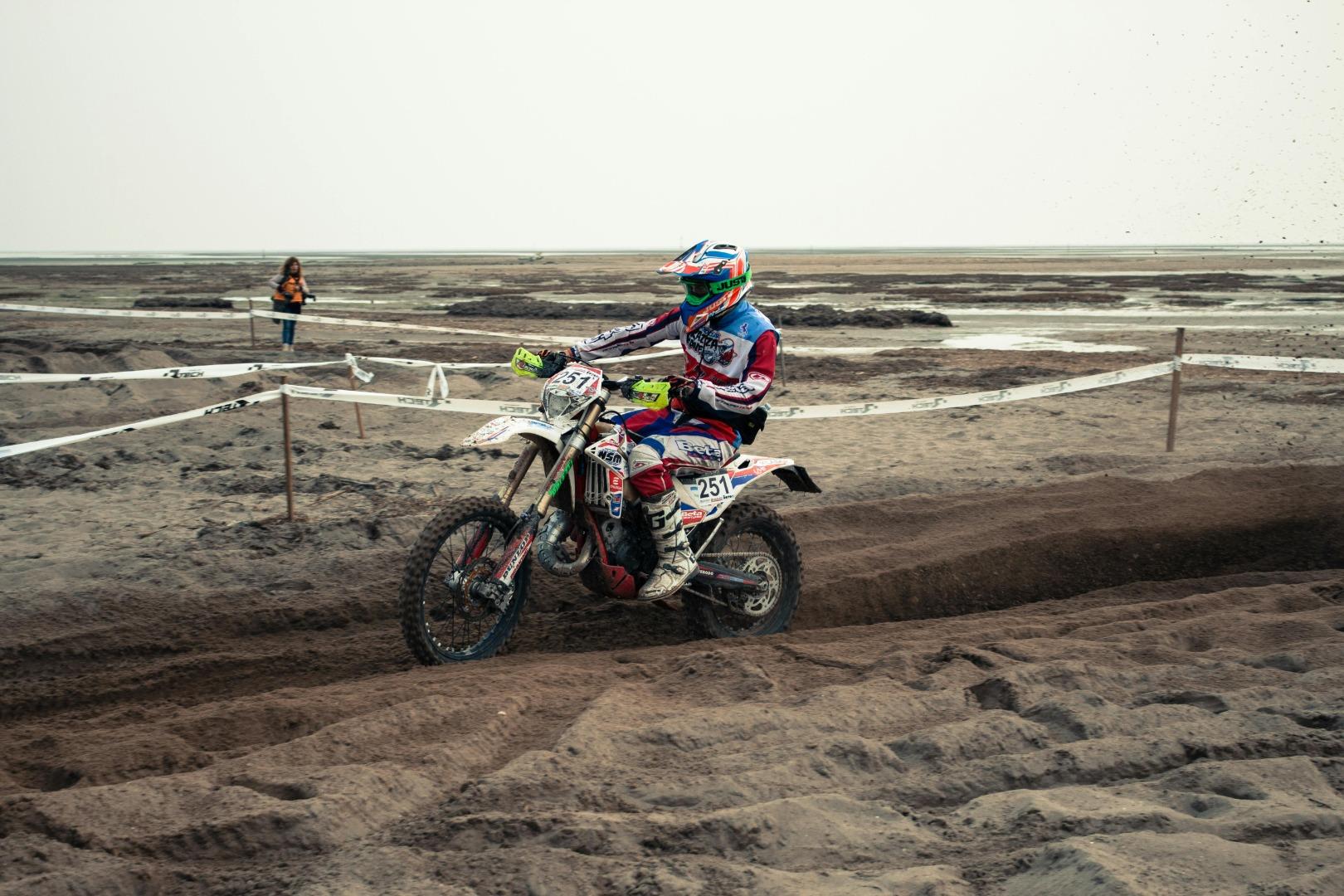
Quads require physical strength to steer at speed, take up significant garage space, and almost always require a trailer for transport, while motorcycles are far easier to transport, fitting neatly into the back of a bakkie or on a towbar rack and generally carry lower long-term maintenance costs due to fewer suspension joints and tyres. Which option you go for really depends on what kind of riding you want to do and where you will ride.
How does the Ducati Scrambler compare to the Triumph Scrambler?
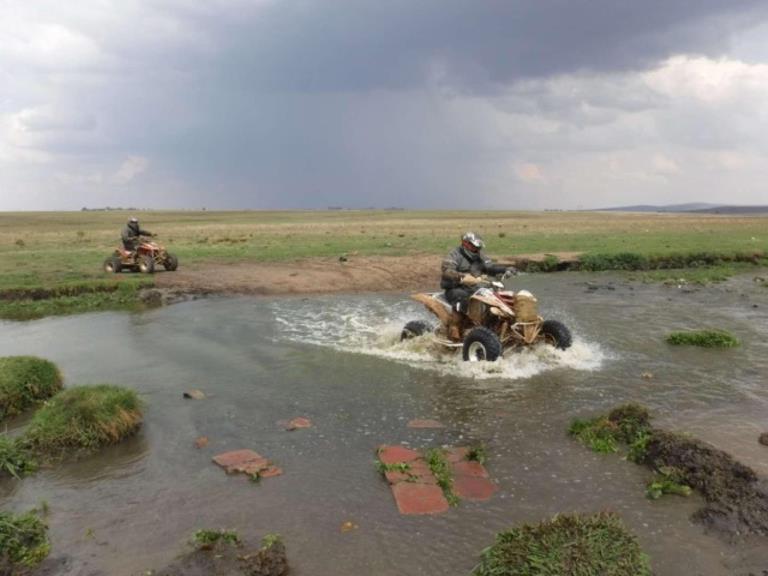
Alternative Breakdown: Practicality, Terrain, and Ownership
Rather than just looking at raw performance, evaluating these two machines across practical real-world scenarios reveals where each shines.
| Factor | Quad bike (ATV) | Motorcycle (Off-road / Dual-sport) |
| Learning curve | Low — Natural low-speed balance, throttle-and-go controls on many models. | Moderate-high — Requires clutch control, body weight shifting, and active balancing. |
| Terrain & stability | High static stability — Four contact patches excel on mud, sand, snow, and steep low-speed crawls. | Dynamic stability — Nimble on narrow single-track trails, but requires momentum to stay upright. |
| Work & utility | Built for heavy lifting — High towing capacities, front/rear cargo racks, winch mounts. | Minimal utility — Limited to tail bags and panniers; unsuited for heavy hauling. |
| Transport & storage | Requires space — Needs a wide trailer or truck bed; takes up full garage bays. | Compact — Fits easily on hitch carriers, narrow trailers, or in tight garage corners. |
| Maintenance costs | Higher — Four tyres, complex suspension joints, heavier drivetrain parts. | Lower — Two tyres, simpler mechanics, lighter wear-and-tear components. |
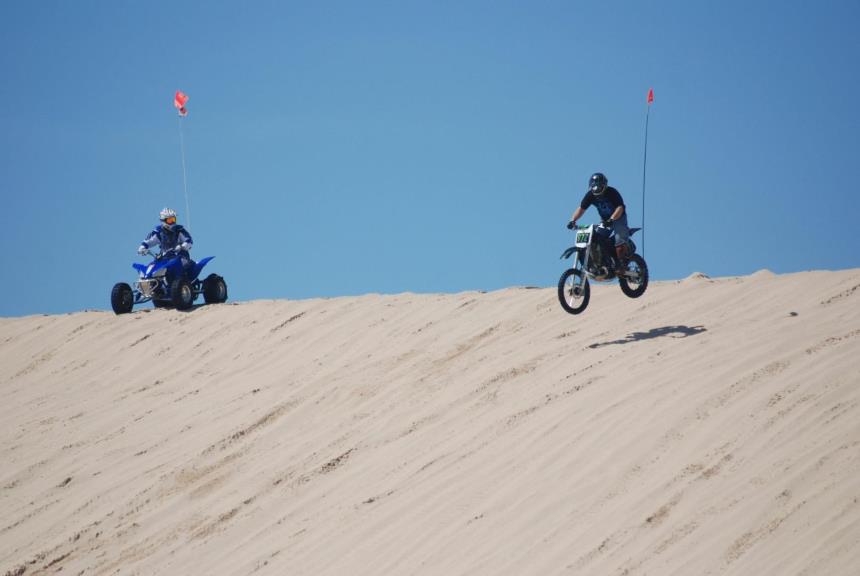
Key considerations before buying
1. Dynamics and handling
Quad bikes: They don't lean into turns. Steering requires physical upper-body force to push through corners, and misjudging speed on a side-hill incline carries a risk of rollover.
Motorcycles: Leaning into corners feels intuitive once learned. Their narrow profile lets you pick clean lines through rock gardens or squeeze through narrow gaps between trees where a quad simply won't fit.
2. Safety realities
Quads feel safer initially because they don't tip over at a standstill. However, because they weigh 250–400 kg, a rollover can cause serious injury if the machine lands on the rider.
Motorcycles drop more frequently at low speeds, leading to scrapes or minor bumps, but the bike typically falls away from the rider due to its lighter mass (100–160 kg for dirt/dual-sport bikes).
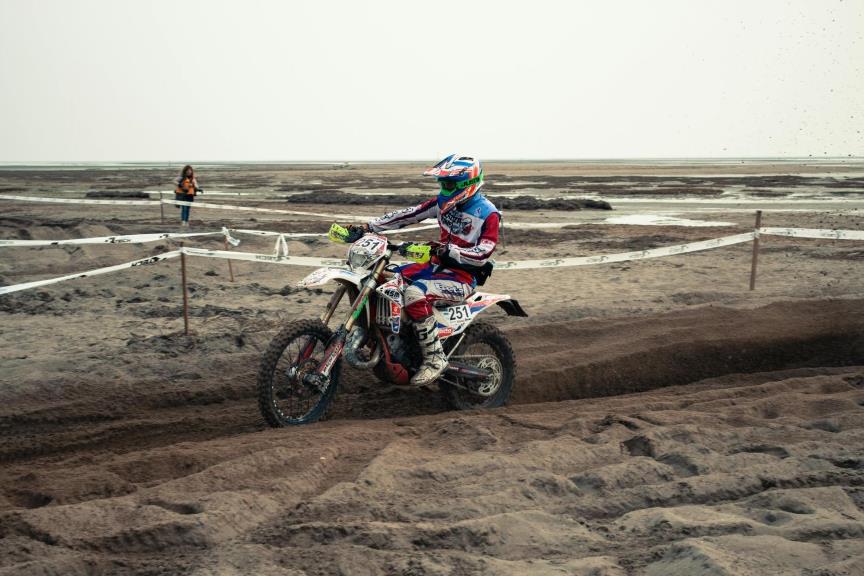
Verdict
If you want to ride directly from your driveway onto public highways or connect trail systems via paved roads, a dual-sport or adventure motorcycle is fully road-legal in almost every jurisdiction. Quad bikes face strict street-use regulations in many areas, often requiring specialised licensing and road tyres, or limiting you to off-road trails and private property. If you want to haul tools, explore remote trails at a relaxed pace without balancing, or ride in mud and snow, go Quad. If you want speed, single-track access, easy transport, or highway-to-trail flexibility, go Motorcycle.