

The hum of petrol engines has long been the soundtrack of South African roads, but a quiet revolution is taking place on two wheels. As fuel prices fluctuate and urban congestion deepens across major hubs like Johannesburg, Cape Town, and Durban, South Africans are increasingly turning their attention to electric two-wheelers.
Related: Electric Motorcycles in SA: Are They Worth It?
There are currently no large-displacement equivalent brands on sale in South Africa; the market is dominated by smaller-displacement equivalent machines. Once seen as a luxury or a niche hobby for tech enthusiasts, electric motorcycles, scooters, and utility bikes are rapidly becoming a viable, budget-friendly alternative for daily commuters and commercial fleets alike.
How to Choose Your First Bike: Complete SA Buyer's Guide
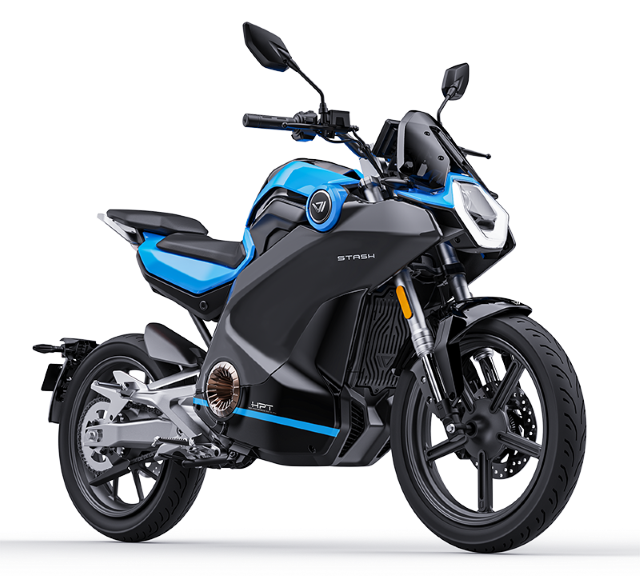
VMoto Stash electric scooter
What’s driving the market growth?
The South African electric two-wheeler market is experiencing significant growth, driven by a combination of commercial demand, rising petrol engine running costs, and evolving technology.
- Commercial delivery boomThe primary engine driving electric two-wheeler adoption in SA isn't luxury commuters—it’s the last-mile delivery sector. With online retail and grocery delivery apps expanding rapidly, courier companies and food delivery platforms are swapping traditional 125cc and 150cc delivery bikes for battery-powered alternatives. Lower running costs per kilometre mean massive operational savings over a motorcycle's lifespan.
- Crushing running costsWith petrol prices remaining a significant headache for monthly budgets, electric mobility presents a massive cost advantage. Charging an electric two-wheeler at home or work costs a fraction of filling up a fuel tank, helping offset the higher initial purchase price over time.
- Improving battery & charging infrastructureSwappable battery setups and home-charging capabilities have largely mitigated range anxiety. Many modern delivery and commuter electric bikes utilise removable lithium-ion batteries, allowing riders to charge spare packs at home or in the office using standard wall outlets without needing dedicated high-speed charging stations.
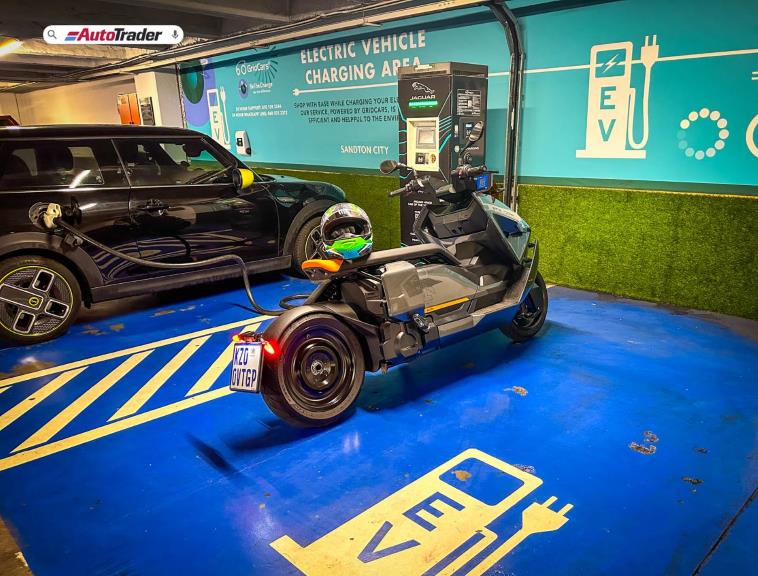
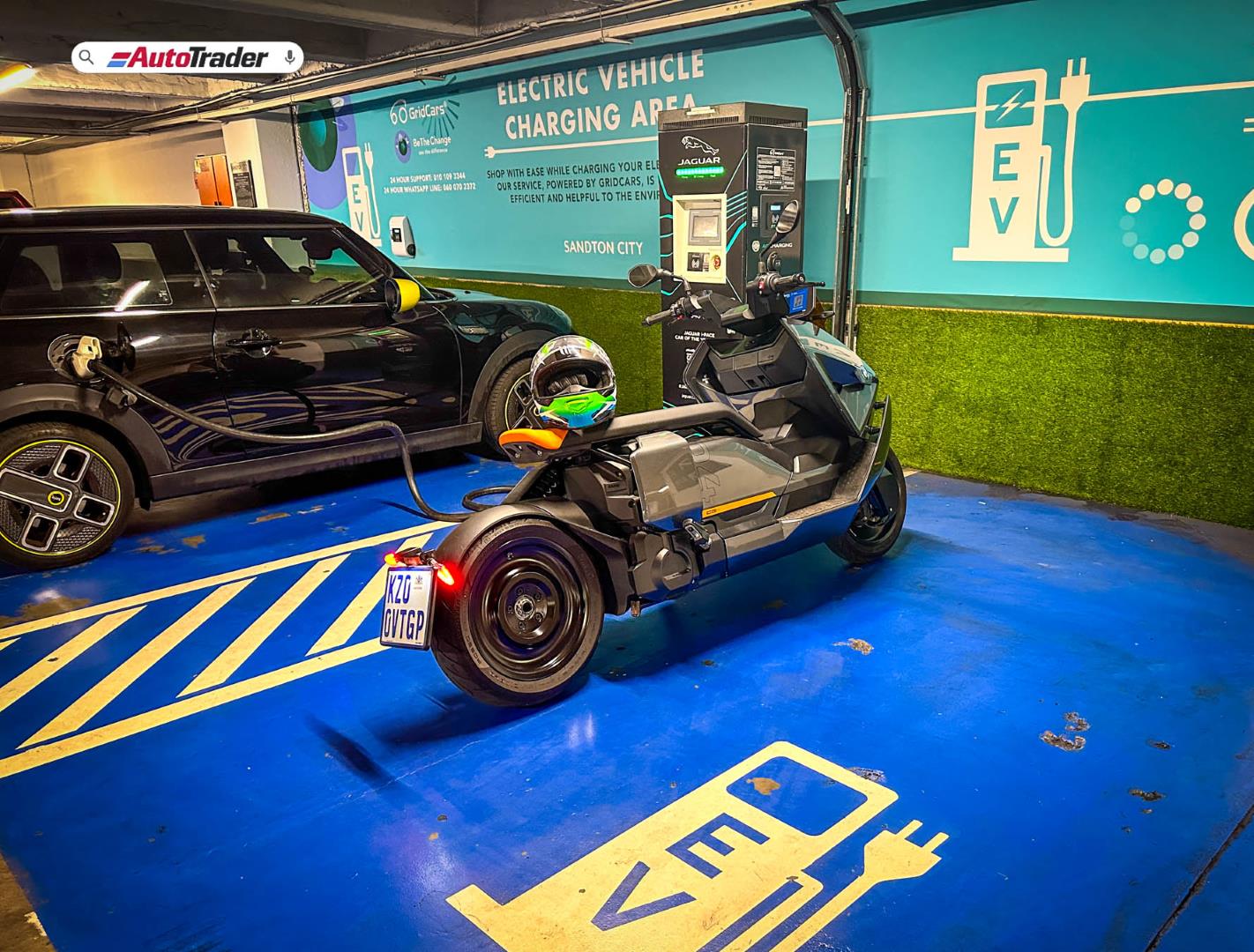
BMW CE04 charging
Top models in SA
While the market is still developing compared to global standards, several key contenders stand out in South Africa’s electric two-wheeler lineup:
1. BMW CE 04 / CE 02 (Premium Commuter Segment)
For riders seeking high-end urban mobility, BMW Motorrad leads the premium space. The BMW CE 04 features futuristic styling, a range of around 130 km, and instant electric torque that easily keeps pace with highway traffic. Its younger sibling, the CE 02, targets urban youth with a compact, playful frame ideal for city manoeuvring.
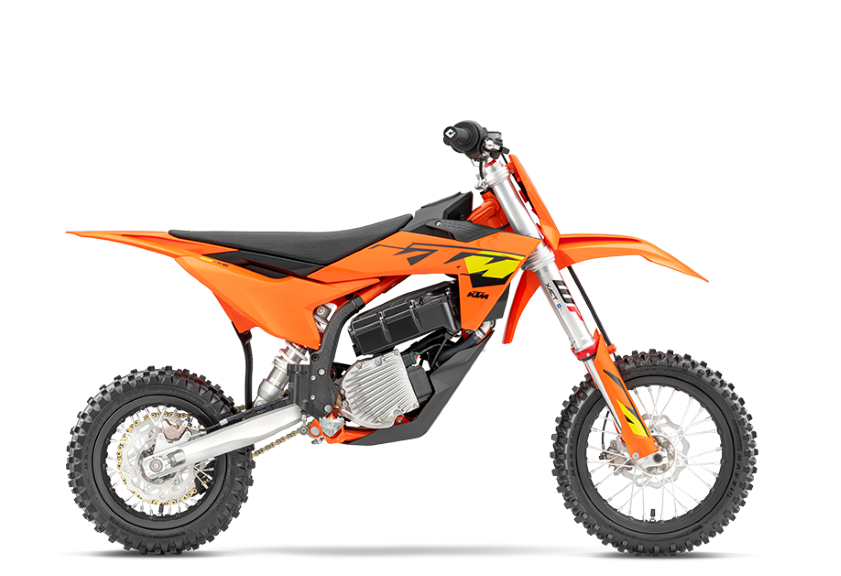
KTM SX E5 kids offroad
2. Kayo & KTM electric off-roaders (leisure & youth)
In the recreational market, entry-level models like the Kayo EKMB electric mini-bikes and KTM’s SX-E series offer quiet, low-maintenance dirt-biking experiences for younger riders and off-road enthusiasts. These models eliminate the complexity of clutches and fuel mixing, making entry into riding easier than ever.
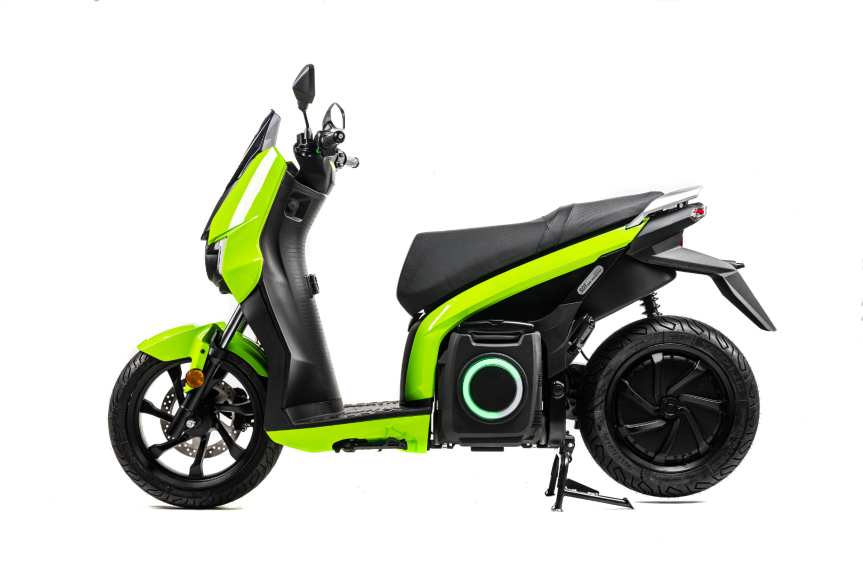
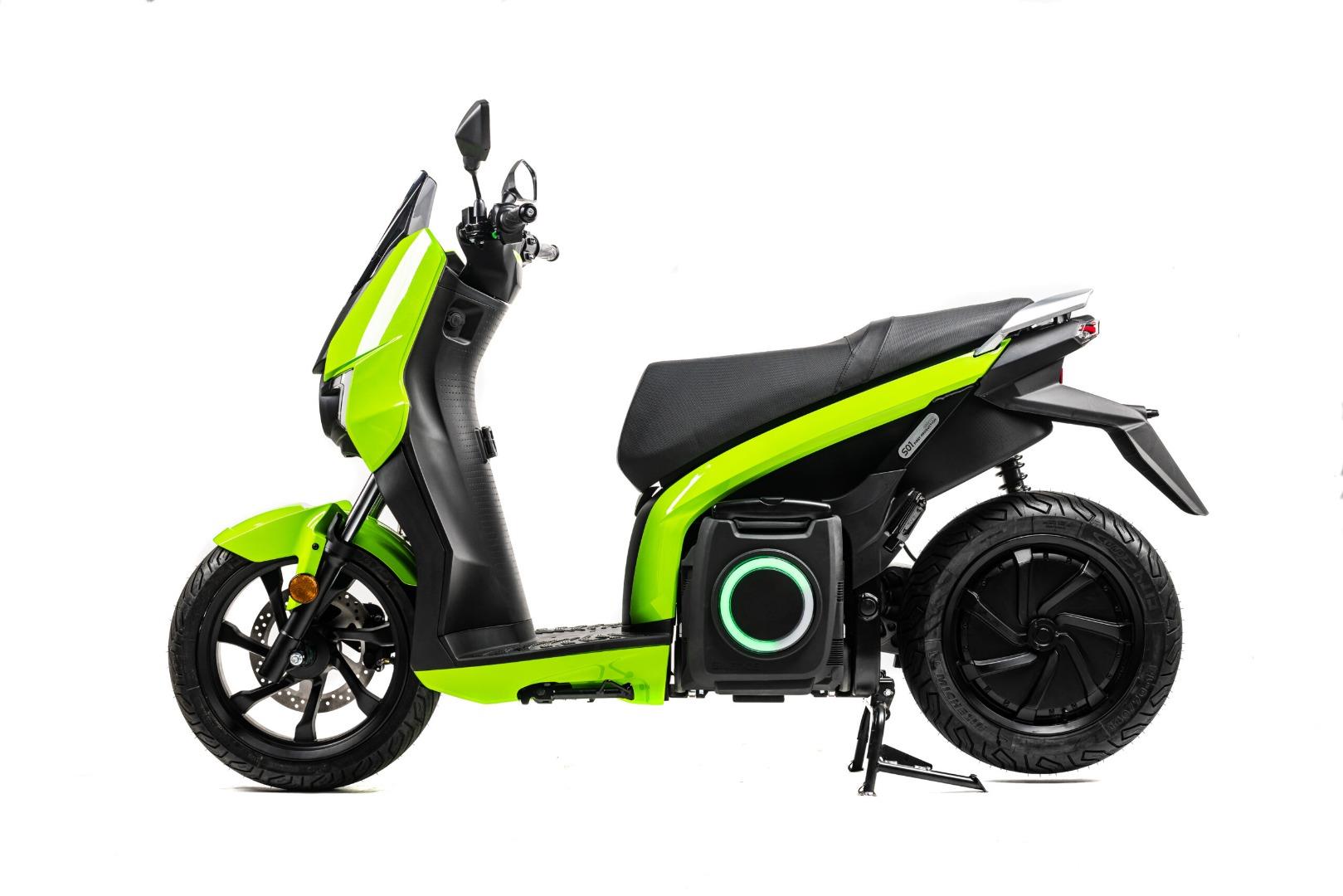
Silence SA SO1 electric scooter
3. Commercial last-mile delivery fleet bikes
Numerous local distributors and assemblers are bringing tailored commercial utility bikes to Mzansi. Brands offering heavy-duty rear racks, dual battery configurations, and rugged suspension setups are becoming a common sight, delivering packages across major suburbs.
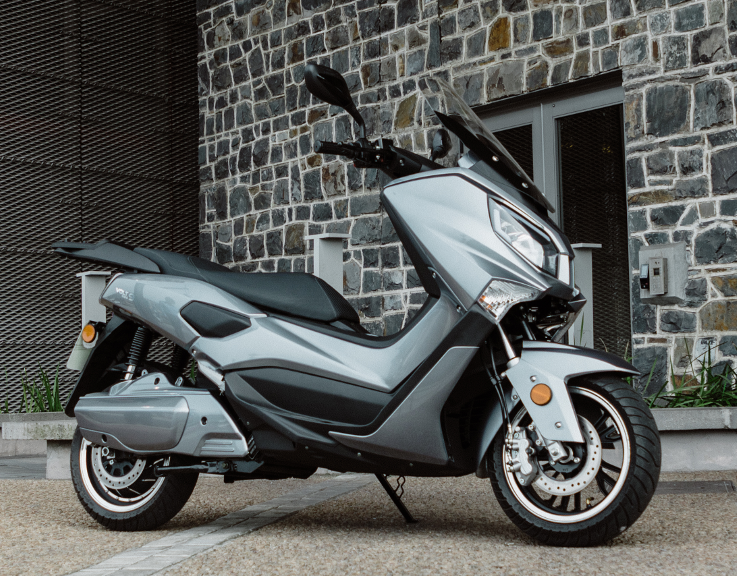
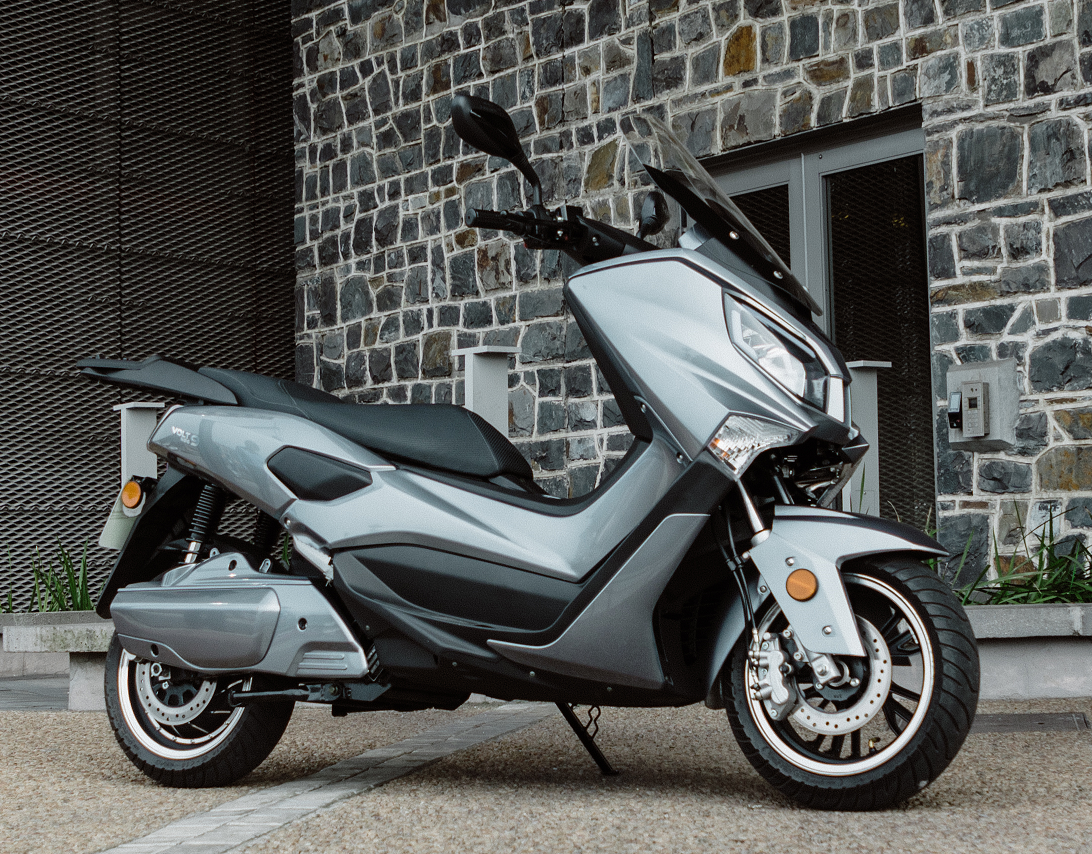
eWIzz Volt electric scooter
The road ahead
While the future is bright, wide-scale adoption still faces a few hurdles:
- Upfront purchase cost: Electric motorcycles generally have a higher upfront cost than low-displacement petrol alternatives, though this gap is narrowing as manufacturing scales up.
- Power grid reliability: Strategic adoption of solar charging hubs and battery-swapping ecosystem infrastructure is becoming key to keeping fleets mobile regardless of grid fluctuations.
With continuous technological improvements, expanding local distribution networks, and a clear operational cost benefit, electric two-wheelers are poised to move from the margins firmly into the mainstream of South African commuting.